
Original briefings. Zero spin.
Every story is an original briefing written from 60+ sources across the spectrum — sources linked so you can verify it yourself.
 tech
Notable (5/10)
August 8, 2026 at 06:20 PM
tech
Notable (5/10)
August 8, 2026 at 06:20 PM
TikTok and Instagram's AI Labels Are Tagging Human-Made Content by Mistake, Creators Say
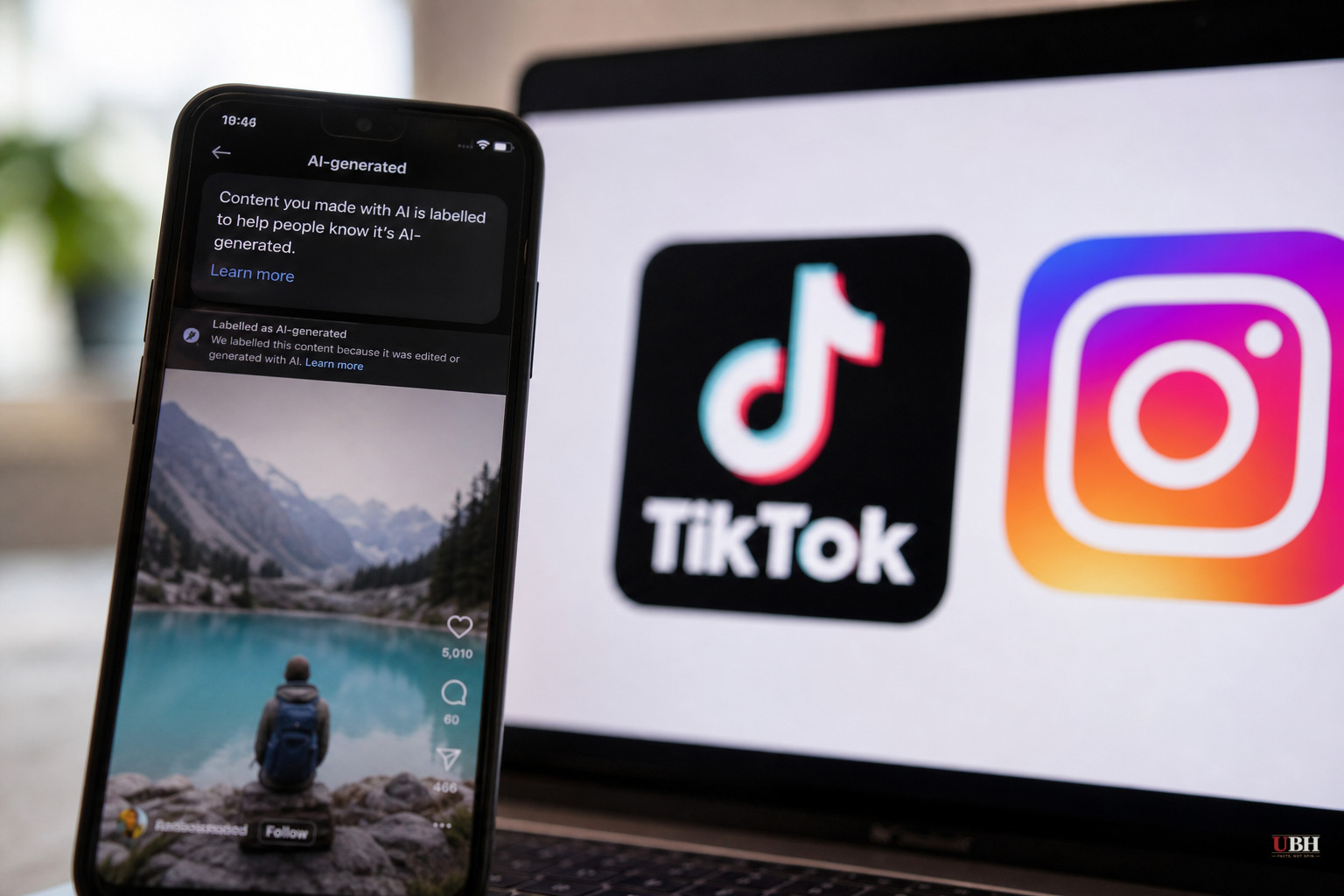
TikTok told creator Ashton McGrady that a Disability Pride Month post she spent hours building by hand was "AI-generated." It wasn't. The label vanished later with no explanation, according to Business Insider.
She's not alone. Gregory Littley posts scans of physical Polaroid photographs to Instagram. Meta's platform has repeatedly flagged them as content that "may have been modified with AI," he told Business Insider. "I cringe when I see that label," Littley said. "I cringe even more when I know it's not true."
Seven creators told Business Insider they've had real, human-made work mislabeled as AI. TikTok says it screens billions of uploads using a combination of human moderators and automated detection tools. Meta hedges its language with phrases like "likely created or modified with AI" rather than a flat declaration, an acknowledgment baked into the wording that the system isn't certain.
That hedge matters. Meta and TikTok aren't claiming perfect detection. They're claiming probabilistic detection, which by definition means false positives are going to happen. How often they occur, and what recourse creators have when it does, remain open questions.
Business Insider's reporting doesn't include hard numbers from either company on error rates. Platforms are happy to tout that they're scanning billions of posts. Neither TikTok nor Meta, per the reporting, has disclosed what percentage of those AI flags turn out to be wrong, or how many appeals get resolved and how fast. Without that data, there's no way to know if this is a handful of edge cases or a systemic problem.
Why a Label Can Tank a Career
This isn't a cosmetic issue. The influencer marketing industry in the US is worth roughly $12 billion, built almost entirely on the idea that a creator is a real person with a real point of view. Creator Lissette Calveiro didn't mince words to Business Insider, calling an AI label "literally the Scarlet Letter."
Some brands are now writing clauses into campaign contracts barring creators from using generative AI at all, according to Business Insider. That means a mistaken label isn't just embarrassing. It can cost someone a paid partnership before they even get a chance to explain themselves.
The backlash isn't limited to accidental mislabeling. YouTuber Hank Green apologized after facing criticism for using ChatGPT to help research a video script, Business Insider reported. Influencers who attended a luxury retreat hosted by OpenAI faced immediate blowback online. Eric Bogard, CEO of talent firm UnderCurrent Management, told Business Insider there's "a PR issue with AI as it relates to taking people's jobs and environmental concerns around data centers."
That's a fair snapshot of where public sentiment sits right now. People are anxious about AI replacing creative labor and about the energy costs of the data centers running it. Creators who get anywhere near AI, even innocently, are getting caught in that anxiety whether they deserve it or not.
The Platforms Are Moving Fast, Maybe Too Fast
The industry response has accelerated in recent weeks. Substack's CEO publicly criticized AI-generated LinkedIn posts while announcing a new AI detection partnership, according to Business Insider. LinkedIn followed within days by rolling out a button letting users flag suspected "AI slop." YouTube has been removing channels hosting what it deems "low-quality" AI content. Snapchat now excludes videos wholly generated by AI from recommendation in its Spotlight feed.
That's a lot of policy movement in a short window, largely reactive to public complaints about AI clutter. The problem is that speed and accuracy tend to trade off against each other. A platform rushing to label and demote AI content to satisfy user complaints has less incentive to slow down and verify each flag before it goes live on someone's post.
There's a reasonable case for these labels existing at all. Viewers arguably deserve to know when they're looking at something a machine generated instead of a person's actual work, and platforms are responding to real demand for that transparency. The argument is that if a platform is going to publicly brand someone's work as machine-made, it owes that creator a fast, transparent way to contest it and owes the public actual error-rate data instead of vague hedge language.
Neither TikTok nor Meta has published that data as of this reporting. Until they do, creators like McGrady and Littley are left guessing whether the next label that appears on their account is accurate, a false positive, or something that'll just quietly disappear with no explanation, the way McGrady's did.
Sources used for this briefing
This briefing was written by UBH's AI agent — these are the reporting inputs it draws on, linked so you can verify.

