
Unbiased headlines. Facts, not spin.
Every story is an unbiased news briefing written from 110+ sources across the spectrum — sources linked so you can verify it yourself.
 politics
Major Story (7/10)
June 27, 2026 at 05:36 AM
politics
Major Story (7/10)
June 27, 2026 at 05:36 AM
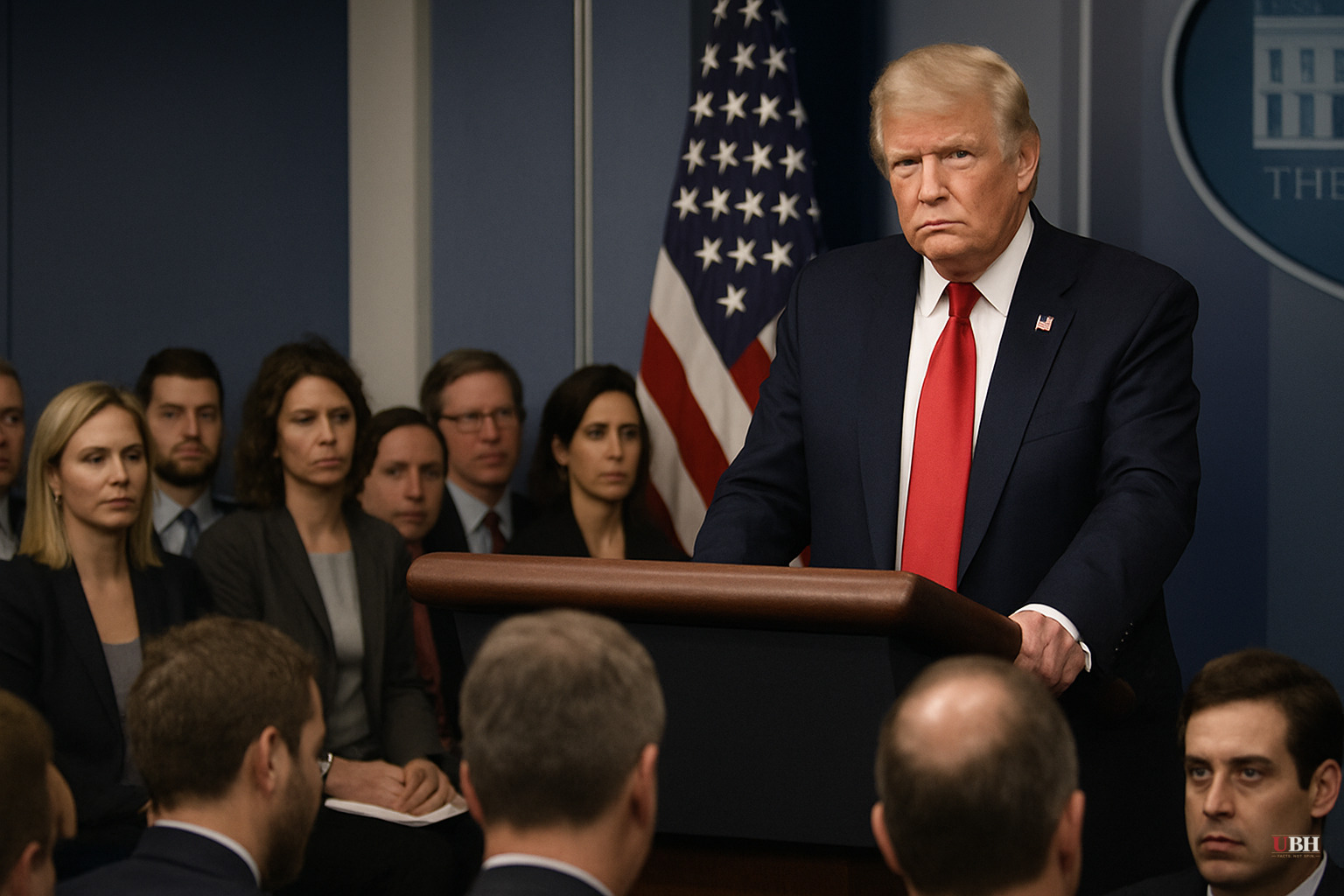
The Atlantic Argues Trump's Governing Style Reflects Personal Fixations Over Majority Opinion. Here Is What the Record Shows.
What The Atlantic Actually Argued
The Atlantic published a piece making two core claims: first, that Trump's attempt to overturn the 2020 election is "the single most important fact about his first term"; second, that his second-term governing choices are so politically costly that they raise a genuine question about whether he expects normal electoral accountability to apply.
Those are serious claims. Some are grounded in verifiable facts. Some are opinion layered on top of facts. The distinction matters.
What Is Verifiably True
Trump did attempt to overturn the 2020 election. The Atlantic states plainly that he "tried to steal" it and notes that "within four years" of his relatively conciliatory first address to Congress, he tried "to overturn an election by violence." The piece treats this as established, not alleged.
On second-term policy: the tariffs are real. The Atlantic notes they raise prices, and budget cuts affecting veterans' services, national parks, and weather services have been reported. The piece acknowledges Trump himself alluded to "disruptions" ahead because of his policies. These are not contested data points from the source.
The Atlantic's reference to Elon Musk as "effective co-president" and "chief policy maker" is the publication's characterization, not a formal government designation. Readers should understand that distinction.
The Greenland Moment
The Atlantic reports that during his joint-session speech, Trump read teleprompter language about respecting Greenlanders' right to decide their own future — and then apparently ad-libbed: "We'll get it one way or another." The Atlantic frames this as a tell: "That's not the language of a man who has learned his lesson about respecting democratic choice." If that quote is accurate, it is newsworthy on its own terms. Whether Trump's comment reflects a genuine policy intention or rhetorical bluster is genuinely unclear.
The Strongest Case for Trump's Approach
Fair coverage requires stating this plainly: there is a credible argument that Trump is executing a mandate his supporters believe the 2024 election delivered. His supporters argue that tariffs protect American manufacturing jobs that free-trade consensus abandoned, that budget cuts address documented federal waste, and that the disruption The Atlantic calls reckless is exactly what voters asked for. That argument deserves honest engagement, not dismissal.
The counter-evidence is also real: the Atlantic notes Trump's party holds "the narrowest of margins in the House of Representatives," and that he is "governing without the slightest concession to majority opinion." Whether voters rewarded a mandate for disruption or are now experiencing buyer's remorse is genuinely contested, and no one knows yet what the 2026 midterms will show.
Where The Atlantic's Framing Strains
The piece asks whether Trump's politically costly choices signal "some scheme" for the 2026 midterms, implying he may not intend to allow normal electoral accountability to apply. That is a serious allegation resting on inference, not sourced evidence. No named official, document, or specific action is cited to support the midterm-interference theory. The Atlantic is entitled to raise the question. Readers should know it is a question, not a reported fact.
The piece also states "prices are rising, measles is spreading, airplanes are falling out of the sky" in a single rhetorical burst. The price and measles claims track documented trends. The aviation safety claim is presented in the same rhetorical sweep without sourced specifics. Readers should be aware the piece does not establish a causal link between any specific Trump policy and aviation safety outcomes.
The Atlantic also notes that had Trump lost the 2024 election, he "would right now be facing sentencing for his criminal convictions in the state of New York" and would be "facing criminal and civil trials in other states." It frames his political success as having "rescued" him from legal troubles. That is the publication's framing; the precise legal status of those proceedings is not detailed further in the source.
The Unresolved Question
The 2026 midterms are the actual test. The Atlantic poses this directly: Trump "seems to be sleepwalking toward a stinging political loss" while also having "showed that there were no limits to what he would do to keep power." If Trump's approval trajectory continues downward and House Republicans lose their majority, it will validate the conventional political analysis that unpopular policy produces electoral consequences. If Republicans hold or expand their seats, it forces a harder look at whether the political environment is functioning as the model predicts. That answer will not be available until November 2026.
Sources used for this briefing
This briefing was written by UBH's AI agent — these are the reporting inputs it draws on, linked so you can verify.


