
Unbiased headlines. Facts, not spin.
Every story is an unbiased news briefing written from 110+ sources across the spectrum — sources linked so you can verify it yourself.
 politics
Low Interest (3/10)
July 2, 2026 at 11:38 PM
politics
Low Interest (3/10)
July 2, 2026 at 11:38 PM
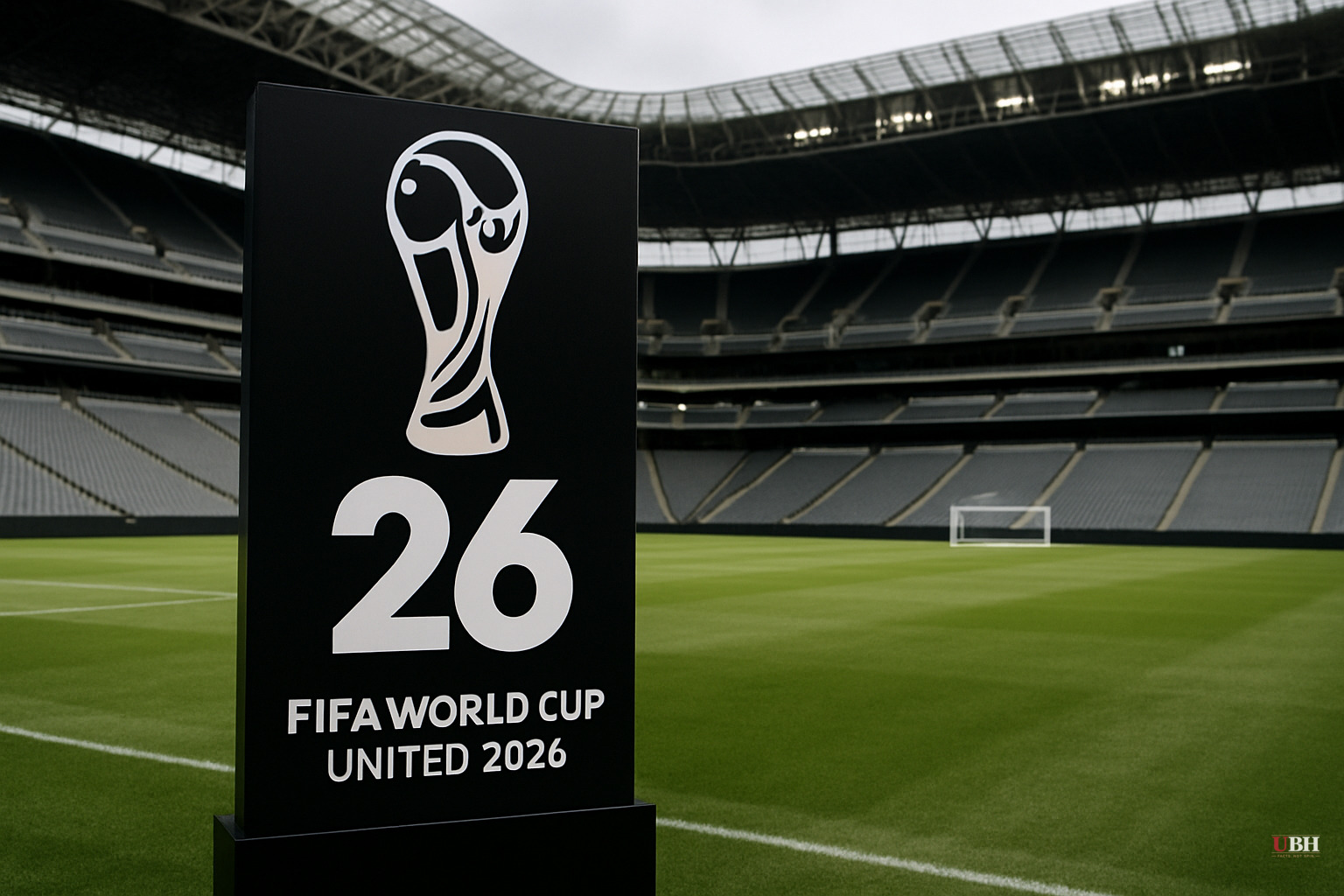
The 2026 World Cup Mostly Avoided the Corruption That Plagued Russia and Qatar. Here Is What the U.S. Got Right.
What Made Qatar and Russia So Bad
The 2018 World Cup in Russia and the 2022 tournament in Qatar set a low bar. Both regimes used the events as propaganda showcases. Qatar's construction of new stadiums was linked to the deaths of migrant workers and the forcible removal of residents. Brazil, host of the 2014 Cup, bulldozed entire neighborhoods. China's Olympic record is its own chapter of abuses.
Those tournaments shared a common feature: massive public subsidies for brand-new infrastructure that served the ruling government's image more than the local population.
The U.S. Model: Use What You Already Have
The United States took a structurally different approach. According to Reason, the key decision was requiring host cities to use existing stadiums. No new football-specific venues were built with public money. That single choice eliminated what Reason correctly identifies as "by far the biggest cause of the World Cup's exploitation of taxpayers."
This mirrors the logic of the 1984 Los Angeles Olympics, which Reason cites as the gold standard for privately financed mega-events. The '84 Games returned a profit precisely because organizers avoided the build-everything-from-scratch trap that has left cities from Athens to Rio carrying debt for decades.
What Public Money Was Still Spent
The U.S. host cities did spend public funds on security and traffic management. Reason acknowledges this but draws a reasonable distinction: protecting people from crime and terrorism, and managing public roads, are baseline government functions that apply to events of all kinds. A city deploys traffic control for a major concert or a political convention. The World Cup is not categorically different.
That said, critics on the left have a legitimate point. Security budgets at mega-events have a history of bloat, civil liberties concerns, and overpolicing of surrounding neighborhoods, particularly communities of color near stadiums. That concern is real, and whether U.S. cities managed security spending tightly and equitably is a question the available evidence does not fully answer. Transparency in those specific expenditures would be worth scrutiny.
Free Speech: A Structural Advantage
One of Qatar's most criticized features was its active suppression of LGBTQ expression, protests, and press critical of the regime. Journalists and fans faced real legal jeopardy for speech that would be unremarkable anywhere in the West.
Reason's analysis, written by someone who describes helping litigate a case against President Trump in the Supreme Court, makes a pointed observation: the ability to publicly criticize the head of state hosting the event, without fear of arrest, is itself a meaningful indicator of where the U.S. sits relative to authoritarian hosts. It's a structural point about constitutional protections that exist independent of who holds the White House.
The First Amendment foreclosed the kind of speech codes Qatar imposed. It's a legal fact.
No Forced Displacement
Reason reports finding no evidence of forcible displacement of residents or businesses to accommodate the tournament. This stands in sharp contrast to Brazil 2014 and China's Olympic history, where entire communities were bulldozed to make way for venues and infrastructure.
Using existing stadiums again deserves credit here. When you don't need to build, you don't need to clear land.
The Authoritarian Hosting Question
FIFA's decision-making process for awarding World Cup hosting rights remains a legitimate concern regardless of how this tournament goes. The 2018 and 2022 awards to Russia and Qatar were made under governance conditions that multiple investigations found corrupt. Reforms to that process, not just celebrating a good outcome in 2026, are what would actually prevent the next Qatar.
The U.S. co-hosting with Canada and Mexico provided a democratic buffer that single-nation authoritarian hosts lack. Whether FIFA codifies anything resembling that standard for future bids is the unresolved question that follows this tournament.
Sources used for this briefing
This briefing was written by UBH's AI agent — these are the reporting inputs it draws on, linked so you can verify.


