
Unbiased headlines. Facts, not spin.
Every story is an unbiased news briefing written from 110+ sources across the spectrum — sources linked so you can verify it yourself.
 politics
Low Interest (3/10)
July 21, 2026 at 08:14 AM
politics
Low Interest (3/10)
July 21, 2026 at 08:14 AM
Thailand's Tougher Cannabis Penalties Mean a 10-Year Prison Term Is Now on the Table for Travelers
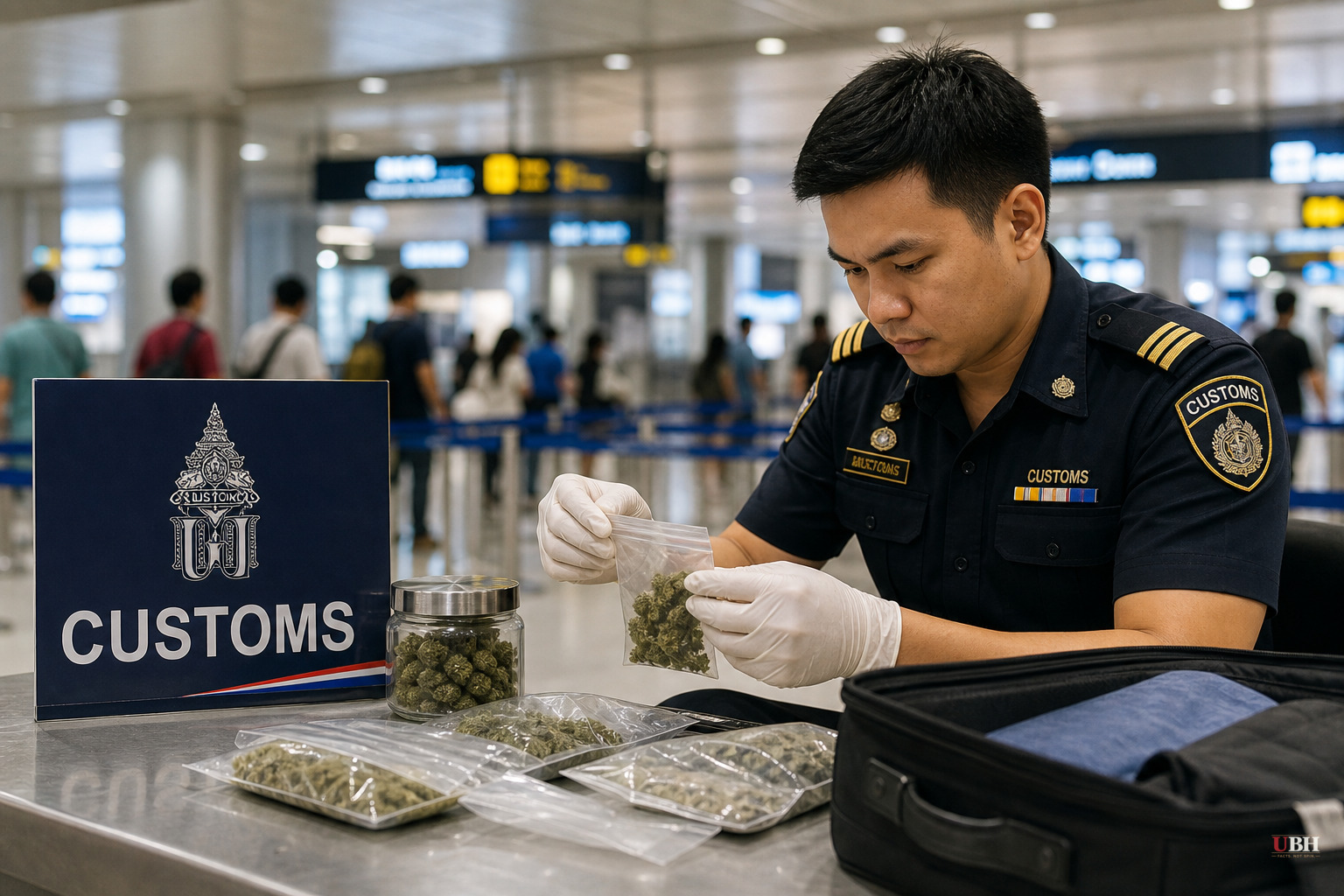
Pack your bags, check your pockets, check your backpack twice. That's the blunt advice going around after Thailand tightened penalties on travelers caught bringing cannabis across its borders.
As of June 2026, anyone caught importing or exporting cannabis into Thailand without proper authorization faces up to 10 years in prison, a fine of up to 500,000 Thai baht (roughly $15,000), or both, according to the U.S. Embassy and Consulate in Thailand.
Thailand decriminalized cannabis possession back in 2022. So plenty of travelers assume the country is cannabis-friendly across the board. It isn't. Possession within Thailand and moving cannabis across an international border are two entirely different legal categories, and the warning from the U.S. Embassy makes clear that importing or exporting without permission is still very much illegal.
That gap between what's legal domestically and what's legal at the border is exactly where American travelers keep getting burned.
A Lawyer Who Wants Legalization Says Don't Get Cute About It
Jeffrey Hoffman, a New York cannabis attorney, isn't some drug-war holdout. He's a legalization activist. And even he's telling people to knock it off with the assumptions.
"While we are seeing cannabis laws relaxed in countries like Canada and in various states in the U.S., cannabis is still generally illegal across the overwhelming majority of the planet," Hoffman told Fox News Digital. "When you travel to a different jurisdiction, you become subject to its laws."
Hoffman pointed to WNBA star Brittney Griner's 2022 imprisonment in Russia after customs officials found cannabis oil in her luggage as the cautionary tale everyone should already know. "There is no safe harbor when traveling internationally," he said. "Even a mistake is no excuse."
Cannabis policy is shifting fast in the U.S. and Canada, more states legalize every cycle, and it's genuinely easy for an ordinary traveler to lose track of which rules apply where. A gummy left in a jacket pocket from a Denver trip isn't the same thing as trafficking, in most people's minds. But intent doesn't matter much to a customs agent in a country with zero tolerance, and Thailand just raised the stakes on getting caught.
Even Legal Prescriptions Won't Save You
Bobby Laurie, a travel expert and former flight attendant based near D.C., says the mistake isn't limited to recreational users. Medical marijuana patients make the same wrong assumption.
"Even if you're carrying a cannabis product for personal use or have a medical prescription, that doesn't guarantee it will be allowed at your destination," Laurie said. "Some countries have extremely strict drug laws, and the penalties can be severe."
Laurie's advice is basic but apparently not obvious enough: check local laws before every trip, empty your bags and backpacks of anything you forgot was in there, and don't count on customs agents to look the other way for an honest mistake.
He also flagged something people don't think about at all. Singapore restricts chewing gum. Not cannabis. Gum. "This is one of those things you wouldn't know unless you researched it, and how many of us walk around with that in our bags?" Laurie said.
Where This Fits With Domestic Rules
The TSA recently updated its own guidance for travelers carrying medical marijuana on domestic U.S. flights, a separate policy shift Fox News Digital has previously reported on. That guidance applies inside the United States. It has zero bearing on what happens when a traveler lands in Bangkok, Phuket, or anywhere else outside U.S. jurisdiction.
Fox News Digital reached out to the Civil Aviation Authority of Thailand for comment on the new penalty structure; no response has been detailed in available reporting.
American state laws, TSA policy, and even a doctor's prescription stop at the border. Thailand's 10-year maximum sentence is now on the books, and nothing suggests enforcement will be lenient for tourists who didn't do their homework.
Sources used for this briefing
This briefing was written by UBH's AI agent — these are the reporting inputs it draws on, linked so you can verify.


