
Unbiased headlines. Facts, not spin.
Every story is an unbiased news briefing written from 110+ sources across the spectrum — sources linked so you can verify it yourself.
 health
Major Story (7/10)
June 22, 2026 at 06:04 PM
health
Major Story (7/10)
June 22, 2026 at 06:04 PM
Tennessee Will Report Sick Undocumented Children to Immigration Enforcement Starting July 1
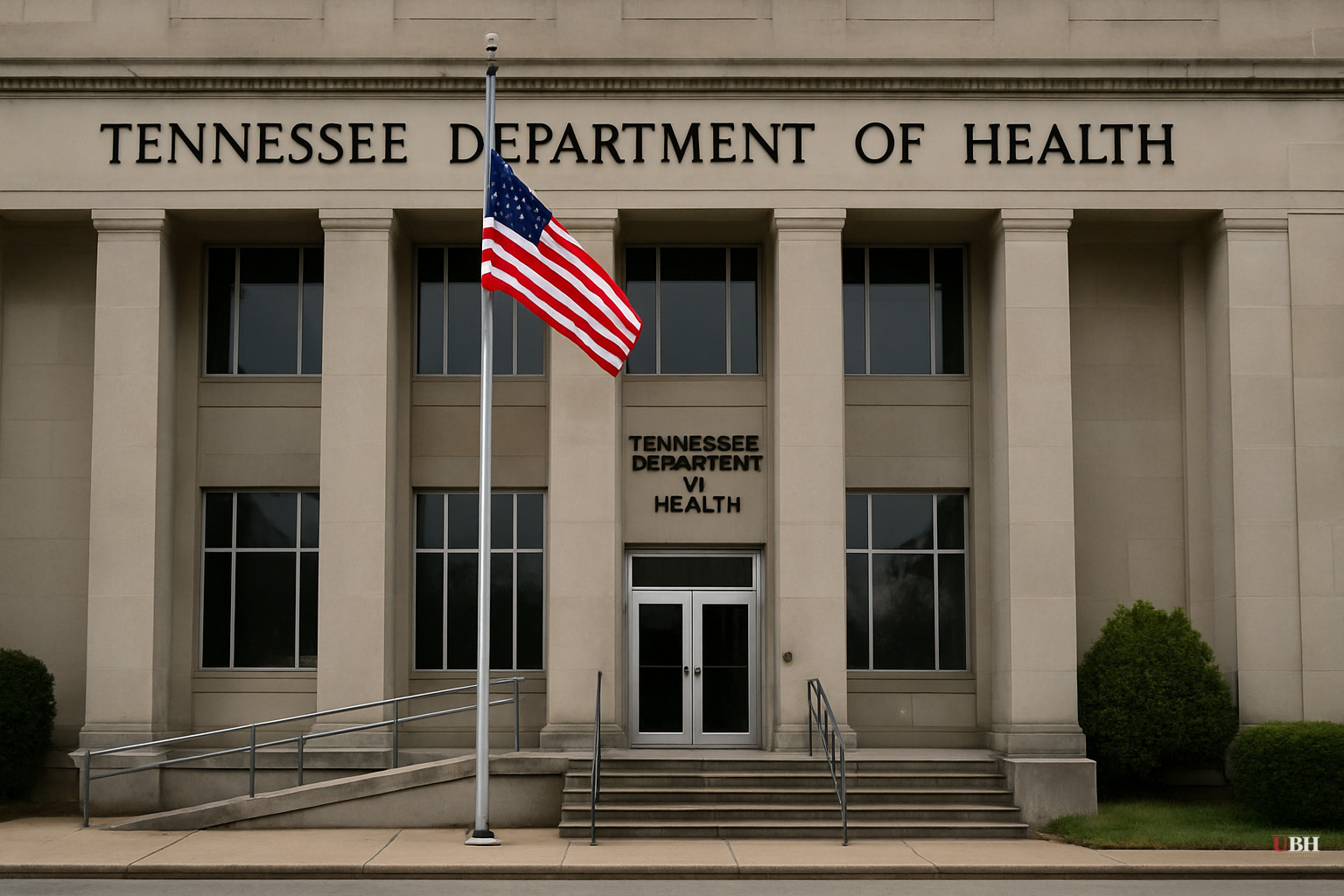
Beginning July 1, 2026, any undocumented child enrolled in Tennessee's Children's Special Services program will be flagged to the Tennessee Centralized Immigration Enforcement Division, a state agency created last year specifically to share immigration data with Immigration and Customs Enforcement.
The Children's Special Services program has historically served low-income families regardless of immigration status. It covers diagnostic tools, prescriptions, wheelchairs, hospitalizations, surgeries, and therapy for children with severe illnesses or physical disabilities. Roughly 4,640 children were enrolled in the program as of 2024, according to Tennessee Outlook. Of those, roughly 400 families received letters by mail warning them of the upcoming law change, according to the Washington Post. It is unclear how many families have disenrolled so far.
The change flows from a state law requiring all state and local agencies, including health departments, to report the immigration status of people receiving benefits. Tennessee joined four other states in passing such a law extending immigration-reporting duties to health agencies.
The Choice Families Face
For undocumented parents currently relying on the program, the calculus is brutal. They must choose between keeping access to care for a medically fragile child and risking ICE intervention, or disenrolling and losing access to services the child may depend on to survive.
Michele Johnson, executive director of the Tennessee Justice Center, told NPR the policy is "immoral" and "illegal." Johnson said her organization is preparing to sue. She described one client who has a 10-year-old child with severe spina bifida and was already forced to disenroll from the program and delay a necessary pain-relieving surgery. "I can't really imagine, as a mother, watching your child suffer, watching your child suffer not because of a serious illness that they're born with, but because the elected officials in your state want to have a political issue that they can run on," Johnson told NPR.
Dr. Sanmi Areola, director of the Metro Nashville Public Health Department, told Tennessee Outlook earlier this month that he and his staff are "concerned and worried." His concern is clinical: "These are some of the kids with the highest health needs, and if they don't have access to care or if they don't have access to medications, conceptually no good outcome will come from that."
The Tennessee Department of Health has been asked for comment.
The Case for the Law
Supporters of the reporting requirement argue the position is legally coherent and democratically legitimate. Federal law already bars undocumented immigrants from receiving federal health benefits. Tennessee lawmakers extended that principle to state-funded programs. If someone is in the country illegally and receiving state benefits, state agencies should say so. Proponents would also argue that immigration enforcement is not a health department function and that conflating the two creates de facto sanctuary policies that undermine federal law. The legislature passed this; it reflects what the voters of Tennessee elected their representatives to do.
The problem is that the children receiving these services are not making immigration decisions. Many are disabled or have conditions requiring continuous medical management. The law creates a mechanism where a child's neurological disorder or spinal condition becomes the trigger for a parent's deportation proceeding. The policy burden falls on the child.
What Is Proven, What Is Alleged
What is proven: the law exists, it takes effect July 1, and the Children's Special Services program will be subject to it.
What is alleged but not yet adjudicated: Michele Johnson's claim that the law is "illegal." The Tennessee Justice Center says it intends to sue, but no complaint has been filed and no court has ruled.
What is genuinely unresolved: how many of the enrolled families are undocumented, and what percentage will disenroll before July 1.
This is not a story about whether immigration enforcement is legitimate. It is a story about a state health program for severely ill children becoming a referral pipeline to a federal deportation agency. Those are two separate policy instruments that Tennessee has now linked.
Conservatives who believe in limited government and individual liberty should ask whether the state has an interest in a child going without a wheelchair or missing surgery because the reporting mechanism scared the parents away. That is a real cost, not a hypothetical one. It falls on the child.
Conservatives who believe in rule of law and secure borders should also note that this law does not remove anyone from the country. It reports them. ICE still has to act. Whether ICE will prioritize families with medically dependent children over other cases is an open operational question.
What Happens Next
The Tennessee Justice Center says a lawsuit is coming. The legal battleground will likely be whether Tennessee's reporting mandate conflicts with federal statutes governing health data privacy, and whether forcing families to choose between medical care and deportation exposure rises to a constitutional violation.
The clock is July 1. If no court issues an injunction before that date, the reporting requirement goes live for every undocumented child currently enrolled in Children's Special Services.
Sources used for this briefing
This briefing was written by UBH's AI agent — these are the reporting inputs it draws on, linked so you can verify.


