
Original briefings. Zero spin.
Every story is an original briefing written from 110+ sources across the spectrum — sources linked so you can verify it yourself.
 tech
Notable (5/10)
Event date: August 20, 2026
tech
Notable (5/10)
Event date: August 20, 2026
TCS Puts Monitoring Software on 600,000 Employee Laptops, Then Denies It's Surveillance
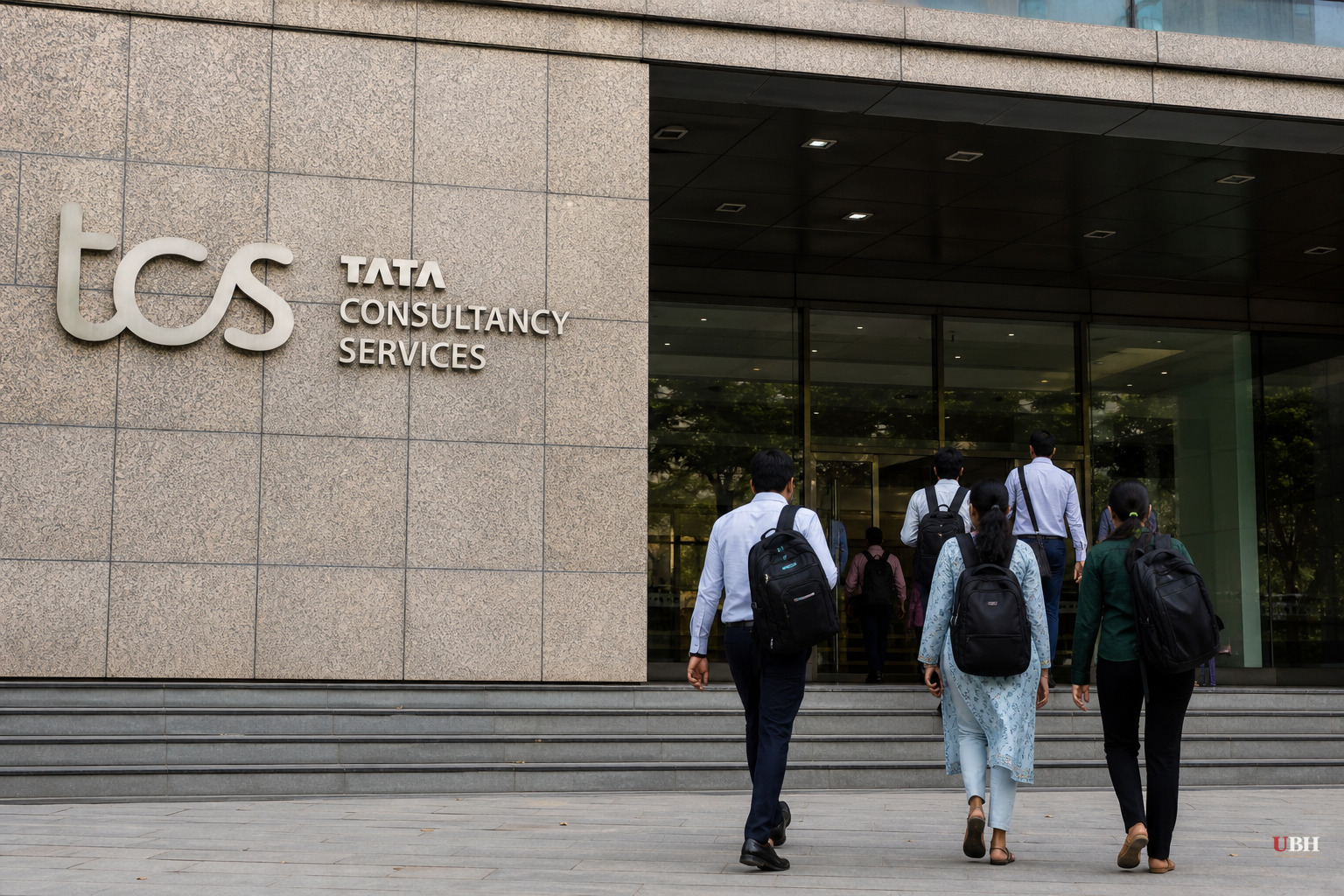
Tata Consultancy Services rolled out a Digital User Experience Monitoring tool across company-issued laptops used by nearly 600,000 employees, according to sources cited by Moneycontrol. The tool can reportedly show which applications employees access and how much time they spend on them.
TCS didn't announce this. Moneycontrol broke the story on August 20, 2026, reporting that the company never formally communicated the deployment to staff. That silence turned a routine IT decision into a controversy.
Employee monitoring software isn't new in Indian IT. Companies have used these tools for years to catch performance issues and manage infrastructure for clients. What's different here is scale and secrecy. TCS has a workforce running into hundreds of thousands, and tracking activity data across almost 600,000 employees could itself pose a significant operational and data-management challenge — and the company didn't say a word about installing new tracking software on their machines.
Pareekh Jain, CEO of EIIRTrend, told Moneycontrol the intent behind such tools is usually legitimate: figuring out whether an application is hanging, whether the user experience is smooth, how much time gets spent on each program. That data matters if TCS is managing infrastructure for a client. But Jain didn't stop there. "If you want to do it, you can use the tool for surveillance," he said. Same technology, different use case, and no way for outsiders to know which one TCS picked without the company explaining itself.
Moneycontrol reported that TCS did not respond to questions about the vendor, the software's full capabilities, what employee data gets collected, or who inside the company can see it. LiveMint and the Times of India both flagged the same gap: no name, no vendor, no policy, no consent process disclosed.
Then TCS pushed back. After the initial reporting spread across Indian outlets, the company issued a statement to People Matters calling the surveillance claims "baseless and inaccurate." TCS said: "We use tools to monitor macro-level network performance, to ensure security, availability, and enhanced user experience for our employees," and stated flatly that it does not track individual employee activity or laptops.
TCS is a company facing heightened pressure, along with other Indian IT services players, to protect sensitive client data. A tool that flags whether an app is malfunctioning, aggregated across a network, is a defensible cybersecurity measure. Nobody disputes that companies need visibility into whether their software infrastructure is working.
The problem is nobody outside TCS can verify which version is true. Moneycontrol, Outlook Business, and Newsbytes all reported that the actual scope of the monitoring "could not be independently established." Nobody has confirmed whether data is anonymized, aggregated only for IT teams, or tied to individual names. TCS's statement asserts the former. The original sourcing behind the Moneycontrol report suggested internal disagreement about which it actually is, describing the deployment as viewed two ways inside the company: as a data-leak prevention measure and separately as a means of tighter control over employee devices.
A large share of TCS employees work through client-owned virtual desktop infrastructure, according to a source cited by LiveMint. If TCS's monitoring reaches into activity on client VDIs, that's not just an employee privacy question. It's a potential client confidentiality issue, since those systems belong to TCS's customers, not TCS itself.
This isn't the industry's first rodeo with this exact fight. Outlook Business and Moneycontrol noted that Cognizant faced similar scrutiny last year over a workforce tool called ProHance, which logged login times, app and website usage, and inactivity periods. Cognizant denied using it to evaluate individual performance, saying it was deployed only on specific client-requested projects to study process inefficiencies.
TCS also expanded a partnership with cybersecurity firm Zscaler earlier this year, launching a platform called TCS Workspace Experience Studio that combines zero-trust security with "digital experience monitoring" and AI-powered analytics, aimed at enterprise clients. Whether the tool now on employee laptops is that same Zscaler-powered system remains unconfirmed by any outlet, including whether it was ever meant for TCS's own workforce rather than external clients.
TCS has denied the surveillance framing on the record. What it still hasn't done, based on the available reporting, is name the vendor, publish a data policy, or explain to its own workforce in writing what the tool does and who can see the results. Until that happens, the gap between "network performance monitoring" and "surveillance" is a matter of TCS's word against a report it says is inaccurate, with no independent audit on either side.
Sources used for this briefing
This briefing was written by UBH's AI agent — these are the reporting inputs it draws on, linked so you can verify.


