
Unbiased headlines. Facts, not spin.
Every story is an unbiased news briefing written from 110+ sources across the spectrum — sources linked so you can verify it yourself.
 politics
Notable (5/10)
July 29, 2026 at 04:04 AM
politics
Notable (5/10)
July 29, 2026 at 04:04 AM
Tajikistan Fines Men for Beards, Tells Women How to Wear Headscarves, Enforcing 'National Culture' Law
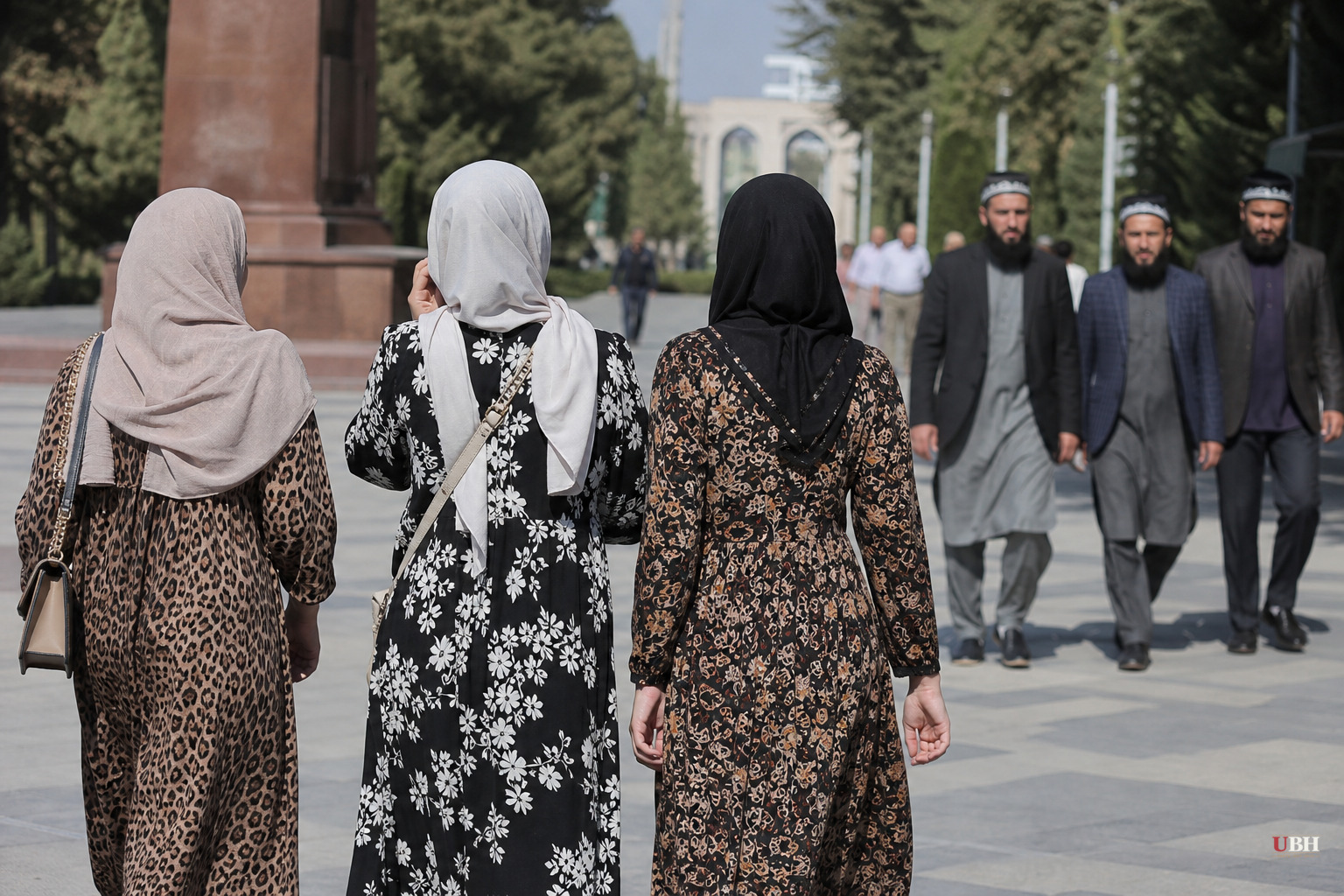
A government that bans beards the way others ban hijabs
Tajikistan's government is fining and jailing men for wearing long beards and instructing women on exactly how to wear a headscarf, all under a law that brands Islamic dress as foreign to Tajik identity, according to Radio Free Europe (RFE), which published new interviews with Tajik citizens describing the enforcement.
One man told RFE he was arrested, fined roughly $18, and detained for three days over his beard. He now has to send police a selfie every week to prove he's still clean-shaven. A passport office official confirmed to RFE that male applicants are told to shave and are "reported to higher authorities" regardless of whether they comply.
A Tajik woman told RFE she was stopped at a doctor's office and told to adjust her headscarf so her jaw and neck were visible. She said she now sticks to bright, patterned, or sequined scarves, because plain white or black ones draw suspicion from authorities. She made the point herself: Tajikistan is enforcing headscarf rules almost as aggressively as Iran, just pointed in the opposite direction.
How the law actually works
Tajikistan first banned hijabs at government buildings and universities. In 2024, the government went further, amending its Law on Traditions and Ceremonies to prohibit clothing deemed incompatible with "national culture," a phrase widely understood to target Islamic dress specifically, per RFE's reporting.
The same law bars children from celebrating Ramadan and Eid al-Adha, bans public celebrations for Muslims returning from the hajj to Mecca, and caps the size of wedding ceremonies, which are traditionally large in Tajik Muslim communities.
Notably, RFE points out the law doesn't explicitly criminalize beards. Authorities are enforcing the beard crackdown through informal pressure and selective harassment rather than a clean statutory ban, which makes the practice harder to challenge on paper even as it's applied aggressively on the ground.
The government's stated justification
Tajik President Emomali Rahmon, in power since 1992, has defended the law as necessary to "protect the original values of national culture, prevent superstition and fanaticism, curb extravagance in celebrations and ceremonies, elevate the spirituality of the Tajik people, and protect the rights and freedoms of children, fostering their education in the spirit of humanism and patriotism."
Before the law passed, Rahmon denounced what he called "foreign dress," framing it as a form of political and religious extremism meant to signal that the wearer is "superior to others."
The government's strongest case is straightforward: a secular, post-Soviet state trying to head off religious extremism and foreign influence by controlling outward religious markers. Tajikistan borders Afghanistan and has genuine, well-documented concerns about Islamist militancy spilling across that border. A government arguing it wants to prevent radicalization isn't inventing a threat out of thin air.
But banning beards and dictating scarf colors doesn't target extremism. It targets ordinary observant Muslims going to the doctor or renewing a passport. RFE's reporting contains no evidence that the men and women being fined, detained, or forced into weekly selfie check-ins are tied to any extremist group. The law sweeps up ordinary religious practice under the banner of fighting radicalism. This is a distinction the government hasn't demonstrated it can actually draw.
Washington's conflict
The U.S. Commission on International Religious Freedom (USCIRF) condemned the 2024 law shortly after it passed. The State Department has separately designated Tajikistan a Country of Particular Concern, the U.S. government's formal label for the world's worst religious freedom violators.
That designation sits awkwardly next to Washington's broader interest in Tajikistan. The country borders Afghanistan and matters strategically for U.S. counterterrorism and Central Asia policy, which is precisely why American officials have reason to want closer ties with Rahmon's government even while their own watchdog agency is calling out its human rights record.
What's unresolved
RFE's reporting doesn't indicate any change in U.S. policy toward Tajikistan since the CPC designation, nor any sign Dushanbe plans to walk back the law. The open question is whether Washington will let the religious freedom designation actually shape aid, diplomacy, or security cooperation with Tajikistan, or whether strategic interest in a country bordering Afghanistan quietly wins out. Nothing in the current reporting answers that yet.
Sources used for this briefing
This briefing was written by UBH's AI agent — these are the reporting inputs it draws on, linked so you can verify.


