
Unbiased headlines. Facts, not spin.
Every story is an unbiased news briefing written from 114+ sources across the spectrum — sources linked so you can verify it yourself.
 defense
Major Story (8/10)
Event date: August 15, 2026
defense
Major Story (8/10)
Event date: August 15, 2026
Syria Takes Back Control of Tartus Naval Base and Hmeimim Airfield From Russia
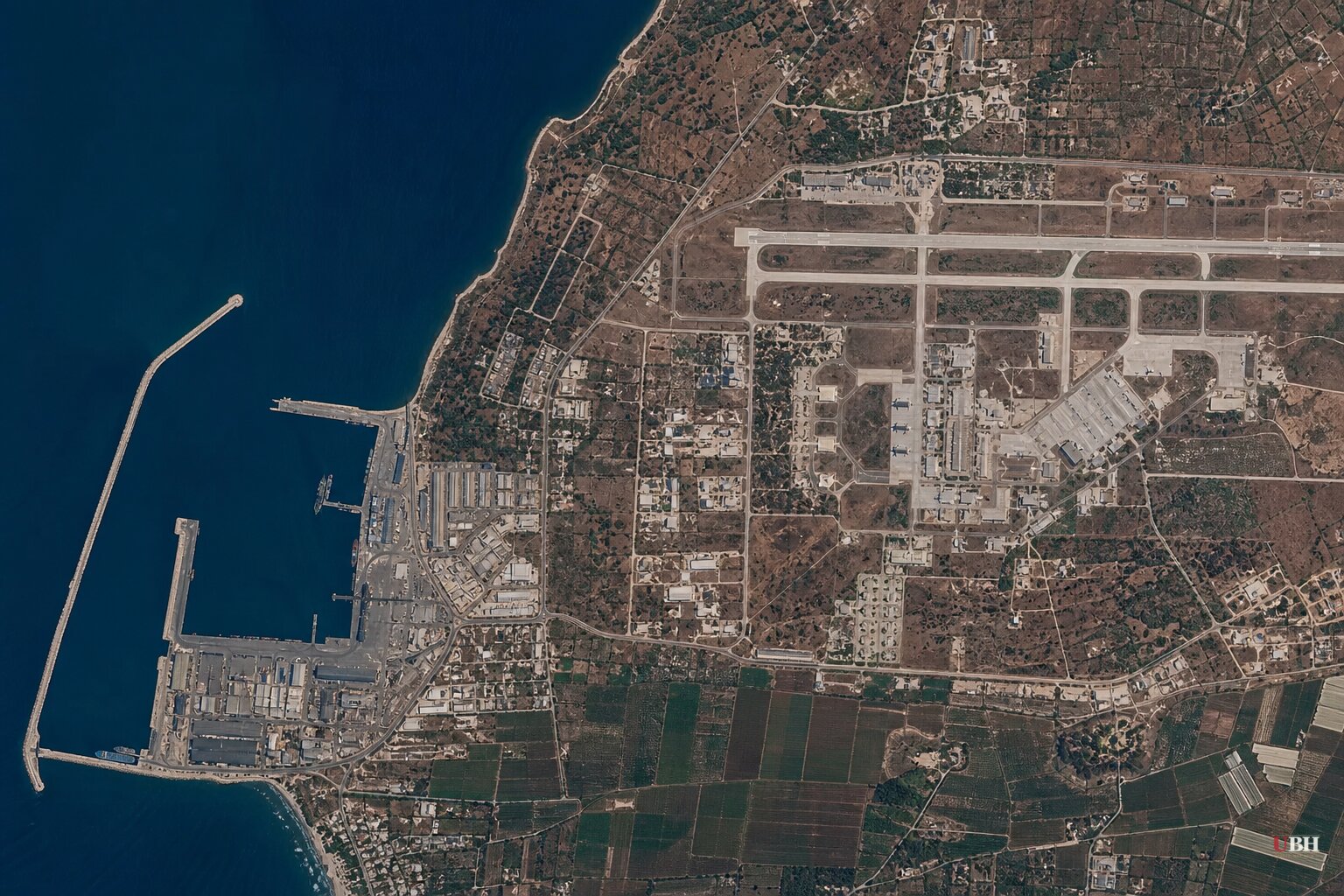
Russia lost the closest thing it had to a Mediterranean stronghold. Not all at once, and not by force, but through a negotiated wind-down that ends nearly five decades of Russian military dominance at Syria's Tartus naval base.
Syria's state-run Syrian Arab News Agency reported on August 10 that Damascus and Moscow signed a memorandum of understanding on August 9, capping about 18 months of negotiations led by Syria's Foreign Ministry. Under the deal, civilian facilities including Hmeimim Airport and Tartus Port's fourth commercial quay move to Syrian civilian administration. SANA said the shift is meant to boost the port's cargo capacity and take pressure off other berths.
The military side of the arrangement is significant. According to Forbes contributor Paul Iddon, military facilities at both sites will convert into training centers after a three-month transition. Russian troops can remain, but strictly on terms set by Damascus. This represents a complete reversal from the arrangement Bashar al-Assad gave Moscow before his government fell in December 2024, which included legal immunity for Russian personnel and their families and a 49-year lease.
South China Morning Post, citing the Syrian foreign ministry's Saturday, August 15 announcement, reported that Russia's two facilities will be converted into "joint training and capacity-building centres, within new arrangements that preserve mutual interests." No further operational details were released, but SCMP noted Russian military contingents are expected to remain at both sites under whatever new terms apply.
This represents a significant shift for a country that, at the height of its Syria intervention, operated roughly 100 military facilities across the country, according to SCMP. Moscow deployed there starting in 2015 to prop up Assad alongside Iran and its regional proxies. Tartus itself dates back further still, to a Soviet-era agreement in the 1970s, according to Forbes.
How Syria got the leverage
The turning point was Assad's ouster in a rapid rebel offensive in early December 2024. Breitbart reported that the new government, led by Hayat Tahrir al-Sham, was polite to Russia at first but satellite imagery showed Russian forces beginning to withdraw from Tartus almost immediately.
Breitbart also reported a more pointed episode. On a Tuesday in mid-August, Syria's Defense Ministry blocked a Russian military convoy of more than 30 missile-laden vehicles from entering Tartus, holding it at a checkpoint for eight hours before ordering it back to Hmeimim. Breitbart said the Russians were likely trying to move the missiles out for redeployment to Ukraine, and called the blockage "a provocative move."
British Defense Intelligence, cited by Breitbart, assessed this week that "Russia almost certainly continues to actively engage HTS to develop ties and promote itself as a beneficial partner. However, Russia's negotiating position is weaker due to various factors, including, probably, the Syrian leadership's hostile attitude towards former Syrian dictator Bashar al-Assad, who is now being sheltered by Russia."
Moscow granted Assad asylum after his fall, a decision Damascus's new leadership has not forgotten. This gave Syria's negotiators real leverage even though Russia still holds the stronger military hand regionally.
Why Tartus mattered to Moscow
Tartus became Russia's only Mediterranean refueling port, and it grew more valuable after Russia's 2022 invasion of Ukraine. Turkey blocked Russian naval passage through its territory to the Black Sea, according to Breitbart, leaving Russian ships stuck in the Mediterranean and making Tartus a pressure point against NATO's southern flank.
Iddon's Forbes analysis argues Moscow never actually cashed in on that potential. Between the Ukraine war draining resources and Assad's collapse cutting the legal foundation out from under the arrangement, Russia's grand ambitions for Tartus as an independent forward base never fully materialized.
Moscow's fallback: Sudan
With Syria no longer a sure thing, Breitbart reported Russia is reviving a long-stalled plan for a Red Sea naval base in Sudan. Sudanese Foreign Minister Ali Yusuf Sharif told Russian media this week that an agreement first proposed in 2017 under dictator Omar al-Bashir, negotiated in 2019 and signed in 2020, will finally move forward. The deal calls for a modest facility hosting up to four Russian warships under a 25-year lease. Implementation stalled for years after Sudan's military government showed initial willingness, and Breitbart's sourcing did not specify why.
The AP's coverage confirmed the core facts, that Syria is taking back control of Tartus and Hmeimim, without detailing the convoy standoff or the British intelligence assessment found in Breitbart's reporting. Neither AP nor SCMP addressed the Sudan angle at all.
Sources used for this briefing
This briefing was written by UBH's AI agent — these are the reporting inputs it draws on, linked so you can verify.


