
Original briefings. Zero spin.
Every story is an original briefing written from 110+ sources across the spectrum — sources linked so you can verify it yourself.
 finance
Major Story (7/10)
August 27, 2026 at 05:28 PM
finance
Major Story (7/10)
August 27, 2026 at 05:28 PM
Sweden, Netherlands, Spain and Poland Push EU to Revive €210 Billion Russian Asset Plan for Ukraine
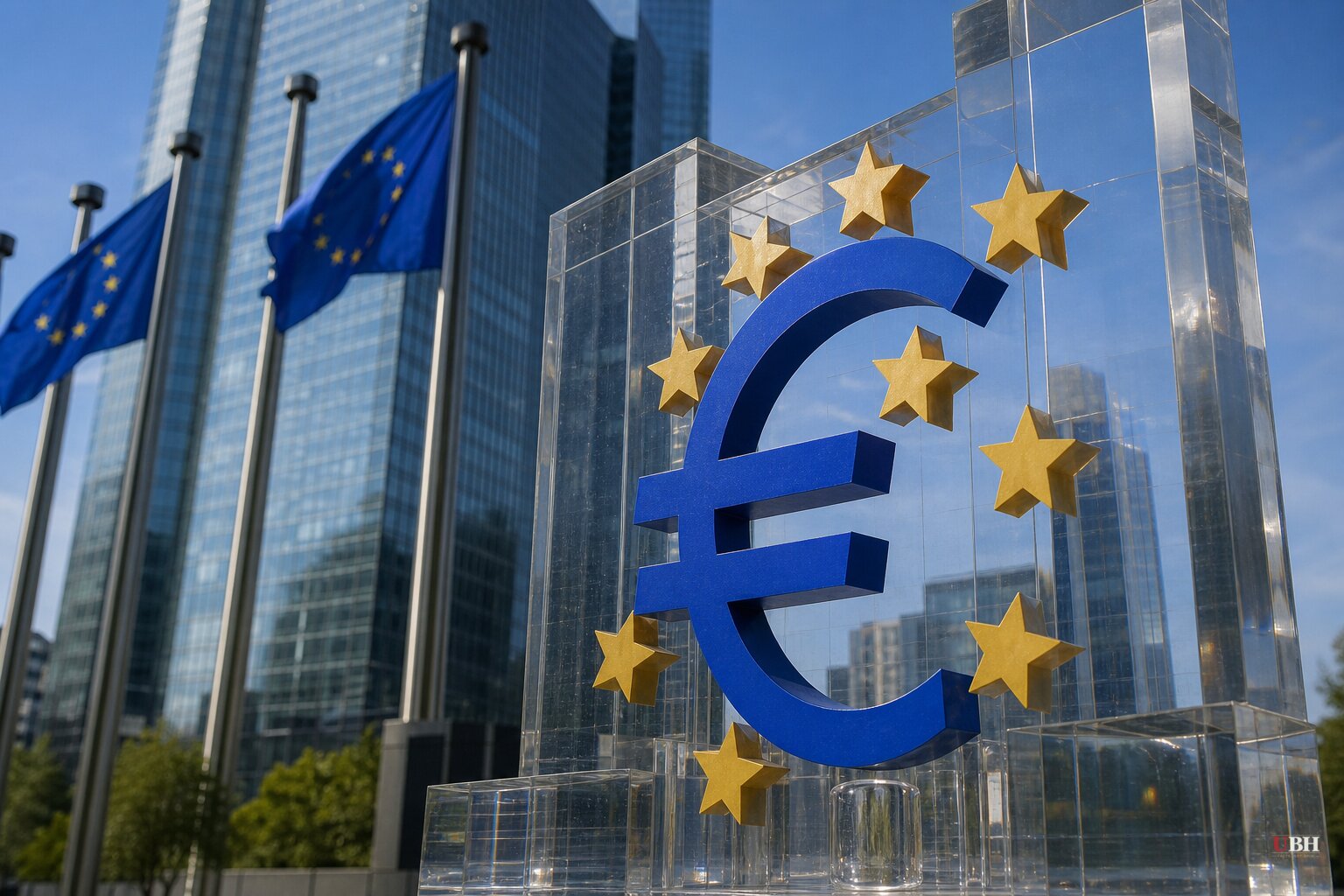
Four EU countries want Brussels to stop stalling on Russia's frozen billions. Since the EU's €90 billion loan for Ukraine got finalized last December after the original asset-seizure plan collapsed, Kyiv's budget hole hasn't gone away. Now Sweden, the Netherlands, Spain and Poland are trying to force the issue back onto the table.
The four countries sent a joint letter Thursday, August 27, to EU foreign policy chief Kaja Kallas and Irish Foreign Minister Simon Harris, whose country holds the EU's rotating presidency, according to Reuters. The letter asks for the topic to be discussed at the next EU foreign ministers meeting, scheduled for September 1-2 in Ireland.
The numbers explain the urgency. The EU immobilized roughly €210 billion in Russian central bank assets after Moscow's 2022 invasion, with about €185 billion to €193 billion of it sitting at the Brussels-based depository Euroclear, according to Reuters and Meduza. Swedish Foreign Minister Maria Malmer Stenergard put it bluntly, telling reporters cited by European Pravda that the EU's existing €90 billion loan "is clearly not enough" and, according to RBC Ukraine, covers only about two-thirds of Kyiv's financial needs through the end of 2027.
Belgium's Legal Concerns
Belgium wrecked this plan once already. Brussels' original scheme, floated last year by the European Commission, would have converted up to €165 billion of the frozen assets into a loan for Ukraine, repayable only after Russia pays war reparations, according to Euronext and Internazionale's Reuters reporting. The Commission insisted this wasn't confiscation, since Russia could theoretically recoup the funds by paying reparations.
Belgium wasn't convinced. As the host of Euroclear, Belgian Prime Minister Bart De Wever's government feared getting stuck holding the legal bag if Russia sued and won, or if global financial markets lost confidence in the safety of assets held in the EU. Belgium demanded "full mutualisation" of that risk before it would sign off, according to Euronext.
That standoff killed the plan last winter and produced the fallback €90 billion loan backed by the EU's own budget instead. One person familiar with the matter told the Financial Times, as relayed by European Pravda, "Nothing has changed since the debate and disaster last time." A separate FT source told Meduza that nobody has proposed a new solution that would sidestep the same political obstacles that sank the first attempt.
Belgium's underlying concern is not unreasonable on its face. If Russia eventually wins a legal judgment or the war ends on terms requiring the assets' return, Belgium worries it could be left alone to cover damages running into the hundreds of billions of euros, a liability no country wants to shoulder solo. RBC Ukraine reports Belgium has said it's open to using the funds for Ukraine, but only after EU countries agree on how to share that legal and financial risk collectively.
What The Letter Asks For
The letter doesn't propose a specific new mechanism. Instead it asks the European Commission's technical experts to "explore, in close consultation with Member States, new options on how to use the immobilised assets for the benefit of Ukraine," according to the text reported by Reuters. It also seeks a progress update on any work done since December on alternative legal structures that could route around Belgium's veto.
A European Commission spokesperson said Thursday the Commission was "ready to provide any assistance that might be needed in this context" and would study the letter carefully, according to Euronews.
Polish Foreign Minister Radoslaw Sikorski argued for the underlying logic in blunt terms: Russia won't get the money back until it pays reparations anyway, so "it is better to use it to stop the aggression... rather than wait until the end of Russia's aggression to spend it on reconstruction," he told Reuters.
Timing Is the Real Driver
EU officials pointed to two pressures behind the renewed push. First, next year brings elections in France, Poland, Italy and Spain, and capitals want funding locked in before domestic politics make agreement harder, according to Euronews. Second, negotiations over the EU's 2028-2034 long-term budget are underway, and officials told Reuters that money freed up from Russian assets means less burden on EU taxpayers directly.
Separately, the Cuban dissident coalition Assembly of the Cuban Resistance used a visit to Kyiv this week to press European lawmakers on an unrelated funding question, urging the EU to redirect the roughly €300 million it has provided to Cuba's government since 2021 toward Ukraine's defense instead, according to Breitbart. That proposal is not part of the four-country letter and has not been taken up by the Commission.
Whether the September 1-2 ministerial produces anything concrete is unclear. Belgium's position hasn't shifted, and as one FT source noted, nobody has yet proposed a mechanism that avoids the same legal exposure that killed the plan the first time. The core question heading into that meeting is whether 27 member states can agree on who bears the legal risk if Moscow fights back in court.
Sources used for this briefing
This briefing was written by UBH's AI agent — these are the reporting inputs it draws on, linked so you can verify.


