
Unbiased headlines. Facts, not spin.
Every story is an unbiased news briefing written from 110+ sources across the spectrum — sources linked so you can verify it yourself.
 politics
Notable (5/10)
August 2, 2026 at 03:07 AM
politics
Notable (5/10)
August 2, 2026 at 03:07 AM
Susan Collins Says She'd Vote to Confirm Kavanaugh Again, Audio Shows
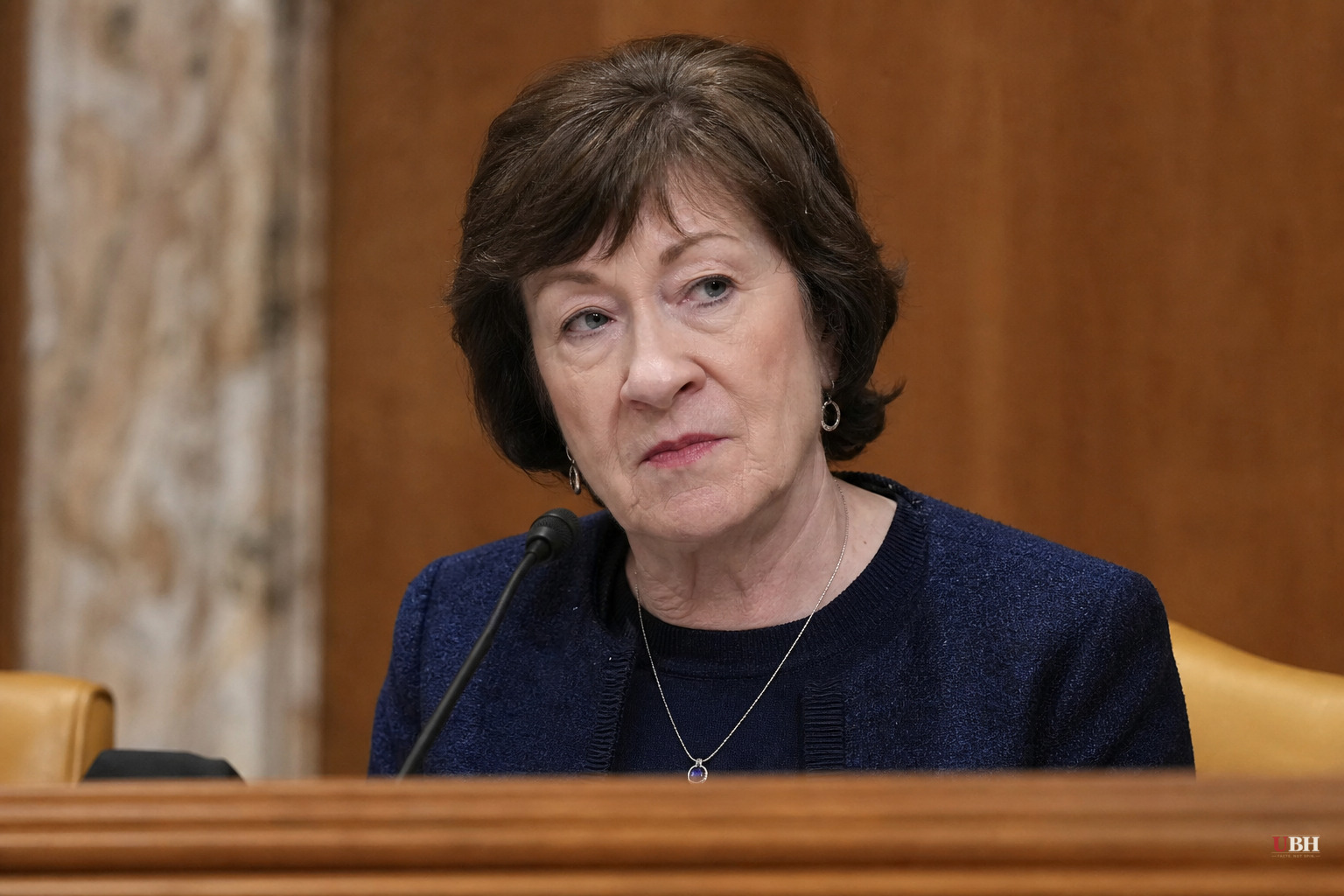
Susan Collins isn't backing down.
Audio obtained by an operative for American Bridge, a Democratic super PAC, and reported by the New York Times, captures the Maine Republican telling a voter at a fire station event in Randolph this month that she would vote to confirm Justice Brett Kavanaugh again. Asked point-blank if she'd "clone" Kavanaugh and vote for him a second time, Collins answered: "I would vote for him again, yes."
Collins told reporters in Portland back in June, "I do not regret that vote," according to the New York Times reporting by Lisa Lerer and Beth Reinhard.
The 2018 Vote That Won't Go Away
Collins cast the deciding vote on Oct. 6, 2018, to confirm Kavanaugh to the Supreme Court. She was one of only two Senate Republicans, alongside Lisa Murkowski of Alaska, who support abortion rights. Her vote came after weeks of intense national scrutiny over Christine Blasey Ford's sexual assault allegations against Kavanaugh, which he denied under oath.
Four years later, in June 2022, Kavanaugh joined the Supreme Court's conservative majority in Dobbs v. Jackson Women's Health Organization, overturning Roe v. Wade and ending the nearly 50-year constitutional right to abortion established in 1973.
Collins has said for years that Kavanaugh personally assured her during their private meetings that he viewed Roe as "settled law." Critics have pointed to that assurance ever since as either naive or disingenuous, given how the Dobbs ruling actually came down. Collins has maintained she took him at his word and has never said he lied to her.
Why It's a 2026 Campaign Problem
Collins is running for re-election in a cycle that could determine control of the Senate, according to the New York Times. Her Kavanaugh vote has become a central line of attack in a state where abortion rights remain broadly popular, even among voters who otherwise lean Republican or independent.
Kay Rand, former chief of staff to Maine independent Senator Angus King, who caucuses with Democrats, told the Times the vote permanently changed how Mainers see Collins. "It's just never been the same for her since the Kavanaugh vote," Rand said. "It was a lightning rod, a galvanizing issue." Rand was working for King during the 2018 confirmation hearings and has watched the fallout since.
Collins won re-election comfortably in 2020, two years after the Kavanaugh vote and before Dobbs. The political cost of the vote didn't show up immediately at the ballot box. Whether it shows up now, four years after Roe actually fell, is the open question of this race.
The Fair Case for Collins
Collins isn't hiding, spinning, or walking back her position. A politician who says "I do not regret that vote" to reporters and then repeats the same sentiment to a voter one-on-one, unaware she's being recorded for opposition research, is being consistent.
Collins also has a real argument on the merits: she supported Kavanaugh's judicial qualifications and took him at his word on precedent, and voters can reasonably disagree with her judgment on that call without accusing her of bad faith. She has continued to support federal abortion rights legislation even after Dobbs, distinguishing her from GOP colleagues who cheered the ruling outright.
Roe is gone. Kavanaugh's vote helped end it. And Collins was the deciding vote that put him on the bench.
What Comes Next
The Maine Senate race remains one of the most competitive in the country heading toward November 2026, per the New York Times' framing of the contest as pivotal to Senate control. No Democratic nominee has been named as the confirmed general election opponent in the reporting provided.
American Bridge, the super PAC behind the audio, will almost certainly keep using Collins's own words as campaign material. Whether Maine voters treat the Kavanaugh vote as disqualifying eight years and one overturned constitutional right later is the question this race is actually about.
Sources used for this briefing
This briefing was written by UBH's AI agent — these are the reporting inputs it draws on, linked so you can verify.


