
Unbiased headlines. Facts, not spin.
Every story is an unbiased news briefing written from 110+ sources across the spectrum — sources linked so you can verify it yourself.
 politics
Major Story (7/10)
July 5, 2026 at 11:50 PM
politics
Major Story (7/10)
July 5, 2026 at 11:50 PM
Supreme Court's Presidential Immunity Ruling Reshaped the Balance of Power. The Debate Over What Comes Next Is Unresolved.
What the Court Actually Did
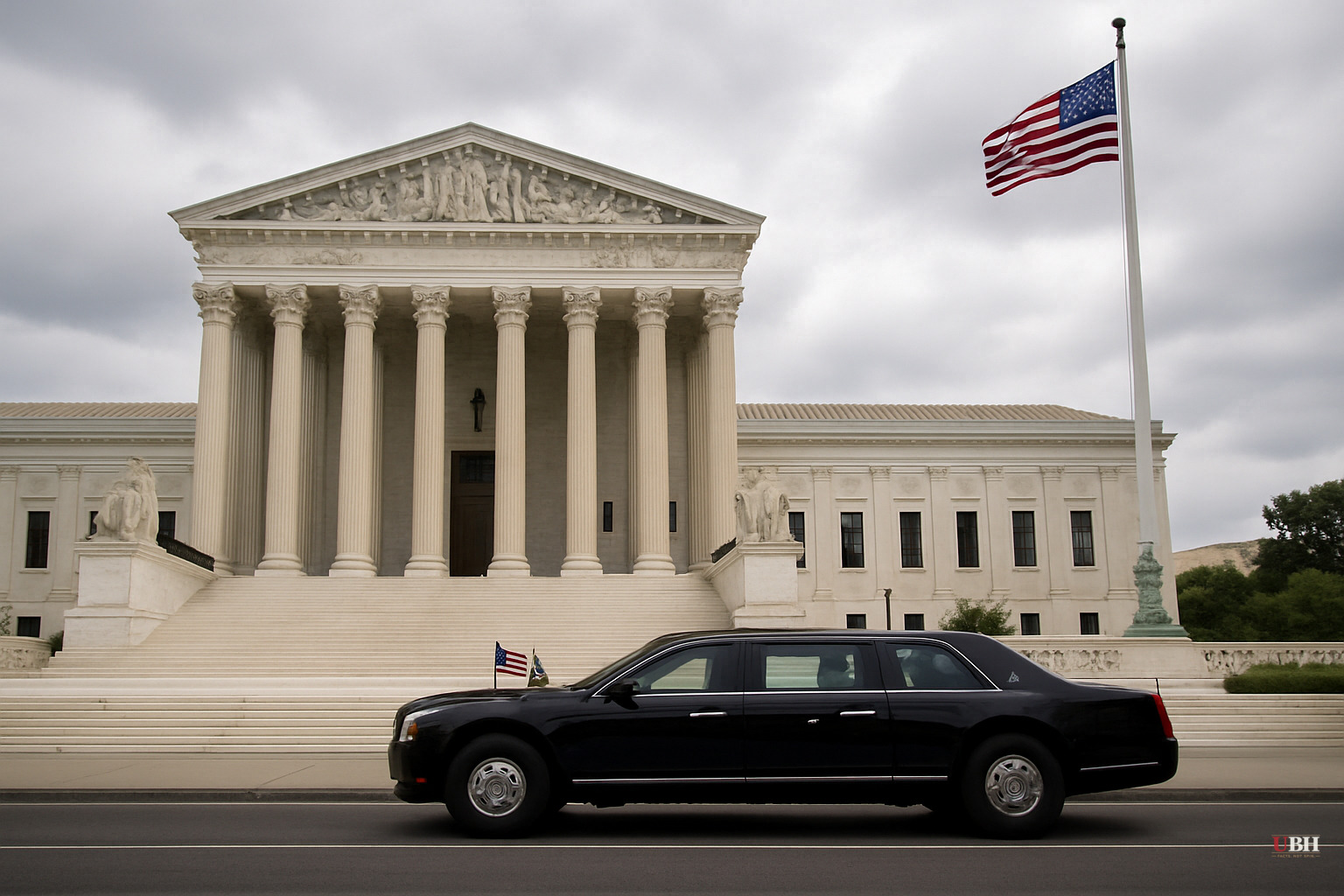
The Supreme Court's ruling on presidential immunity, issued in the summer of 2024, held that a sitting or former president cannot be criminally prosecuted for actions taken in an official capacity. The decision arose from the federal case against Donald Trump, but its legal reach extends well beyond him.
CNN's Joan Biskupic, speaking on Washington Week with The Atlantic, called the decision significant on two levels. "What this Supreme Court has done, not just for the presidential power but for its own power, is big," she said. The second level draws less attention but may matter more long-term. The Court positioned itself as the arbiter of what counts as official versus unofficial conduct, a judgment call with no clear outer boundary. As Biskupic put it: "Its own power is also enhanced by the fact that it will be judges deciding what are official or unofficial acts."
The Post-Watergate Framework
Watergate was the last time the country had a serious, structural reckoning with presidential accountability. The reforms that followed — the independent counsel statute, enhanced congressional oversight mechanisms, campaign finance laws — were built on the assumption that no person in the executive branch was categorically immune from legal process.
The 2024 immunity ruling represents the most explicit judicial endorsement yet of the idea that the presidency occupies a category of legal protection unavailable to ordinary citizens.
The Strongest Case for Broad Immunity
The argument for strong presidential immunity deserves a fair hearing, because it is not frivolous. Presidents make decisions under pressure, with incomplete information, in areas where the law is often ambiguous. The fear that every policy decision could become the subject of a criminal indictment by a future administration of the opposing party is a real governance concern, not a made-up one.
Critics who dismiss immunity arguments as pure self-interest ignore the fact that executive branch lawyers across administrations — Democratic and Republican — have consistently argued for broad presidential authority.
The Accountability Problem
The counter-concern is equally serious. If judges determine after the fact whether a given presidential act was "official," the check on executive power shifts from democratic accountability to judicial discretion. Judges would then draw the line between these categories, and that someone is now the Supreme Court.
Biskupic's observation about the Court's own enhanced power is the sharpest analytical point in the immediate coverage. A ruling that expands presidential immunity simultaneously expands judicial power.
What the Sources Don't Establish
The Atlantic's Washington Week segment raised the significance of the ruling correctly but relied heavily on the frame of it being a partisan outcome tied specifically to Trump's legal exposure. That framing is understandable given the timing, but it undersells the structural question. Any future president, of any party, now operates under this expanded immunity framework. A Democratic president who orders a drone strike, aggressively uses executive orders to reshape immigration policy, or directs intelligence agencies in legally contested ways benefits from this precedent exactly as much as Trump does.
The ruling does not dissolve presidential accountability entirely. Unofficial acts remain prosecutable. Congress retains impeachment authority. But the practical enforcement gap — the distance between what a president can now do and what any prosecutor can reach — is wider than it was before the summer of 2024.
The Open Question
The unresolved issue is how lower courts will apply the official/unofficial distinction in pending and future cases. Future prosecutions of other officials will be the first real tests of where the new line actually sits. Given the stakes, whatever lower courts decide in such cases will be a near-certain candidate for another Supreme Court review.
Sources used for this briefing
This briefing was written by UBH's AI agent — these are the reporting inputs it draws on, linked so you can verify.


