
Unbiased headlines. Facts, not spin.
Every story is an unbiased news briefing written from 110+ sources across the spectrum — sources linked so you can verify it yourself.
 politics
Notable (5/10)
July 20, 2026 at 11:11 PM
politics
Notable (5/10)
July 20, 2026 at 11:11 PM
State Department Report Ties Cuban Intelligence to Decades of U.S. Left-Wing Networks
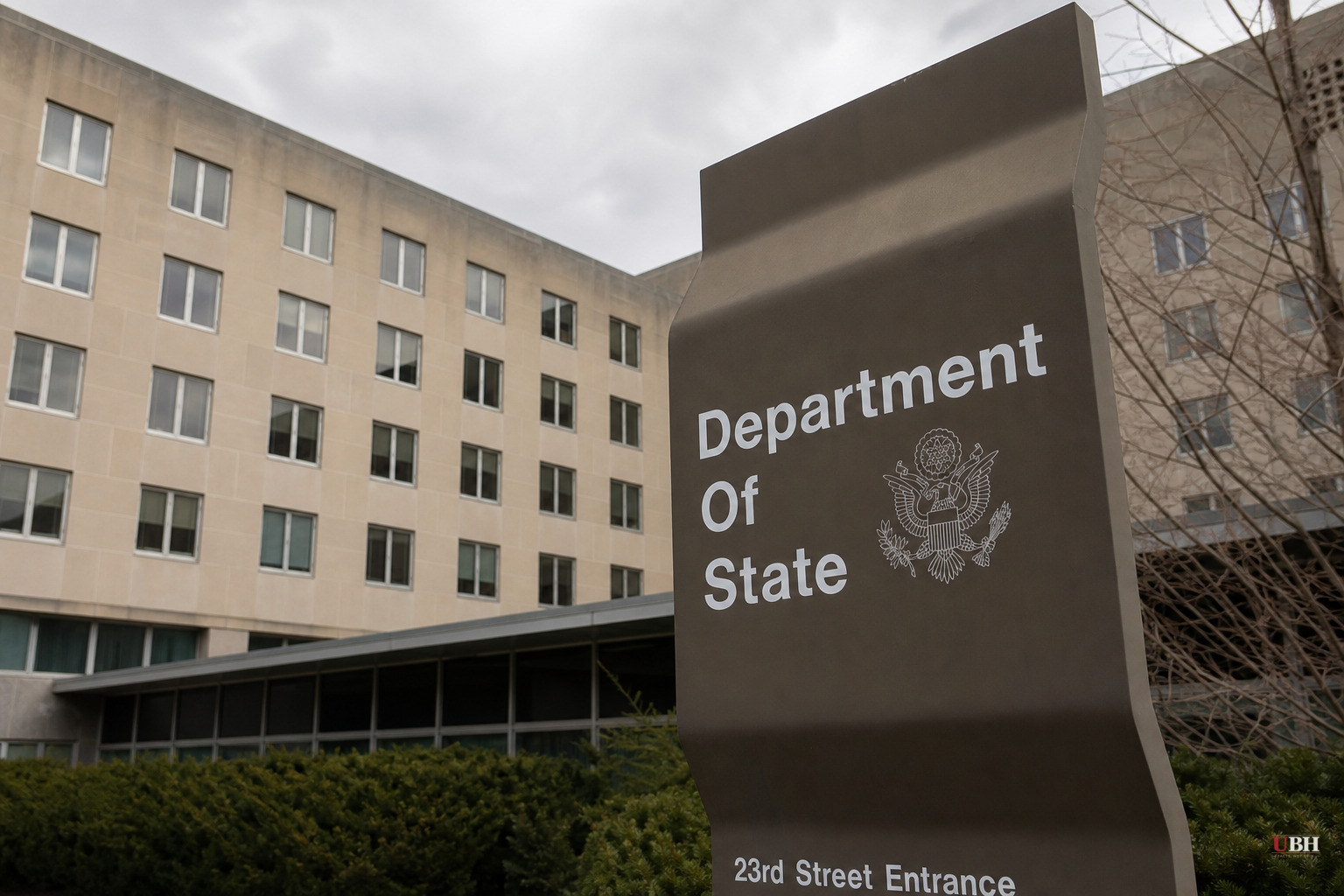
The State Department released a 100-page report Monday titled "Cuba: The Capital of 21st Century Communism," laying out what it calls six decades of Cuban espionage and subversion aimed at American institutions and left-wing movements.
Secretary of State Marco Rubio promoted the report directly on X, writing that "for more than six decades, the Cuban regime has been the leading sponsor of radical leftism and Third Worldism in the United States," and that "the American people deserve to know." Rubio, a longtime Cuba hawk since his Senate days representing Florida, has pushed similar messaging for years.
The report's historical claims are not new territory. It documents Havana's well-established Cold War-era ties to groups like the Weather Underground, Puerto Rican militant organizations, and Black Power movements, along with its harboring of fugitives including Assata Shakur, who lived in Cuba from 1984, after escaping U.S. custody, until her death in 2025. These connections have been documented for decades by the FBI, congressional testimony, and independent historians, so this part of the report is confirming known history rather than breaking new ground.
More specific are the report's references to actual convicted Cuban intelligence assets inside the U.S. government. Ana Belén Montes, a former Defense Intelligence Agency analyst, pleaded guilty to spying for Cuba in 2002 and was released from federal prison in 2023. Walter Kendall Myers, a former State Department official, was convicted in 2010 of spying for Cuba alongside his wife. Victor Manuel Rocha, a former U.S. ambassador, pleaded guilty in 2024 to acting as a covert Cuban agent for decades. These are documented criminal cases with convictions, not allegations.
Where the report moves from documented history to broader assessment is its claim about the Cuban Institute of Friendship with Peoples, known as ICAP, which the report identifies as a central node of Cuba's modern influence operations. ICAP says it has more than 2,000 affiliated solidarity groups across 150 countries. The report cites unnamed former Cuban intelligence agents alleging that roughly 90% of ICAP personnel have ties to Cuban intelligence.
That 90% figure is an allegation from former agents, not an independently verified statistic, and the report does not appear to name those agents or lay out how the number was calculated. Readers should treat it as sourced allegation rather than established fact until more evidence is public. The State Department has sanctioned ICAP, which is a concrete policy action, but sanctions designation is a political and legal determination, not proof of the specific personnel statistic.
The report also argues Cuban intelligence has favored recruiting ideologically motivated students at American universities, cultivating them over years or decades before activating them as assets. This mirrors the recruitment pattern seen in the Montes and Myers cases, both of whom were drawn into espionage through ideological sympathy developed over long periods, according to Justice Department case records from their prosecutions.
Coverage of the report so far has come mostly from outlets already sympathetic to the administration's framing. ZeroHedge presented the findings largely uncritically, treating Rubio's framing as confirmed fact rather than a State Department assessment that itself deserves scrutiny like any government intelligence product.
The distinction between documented espionage and protected political activity matters. Supporting foreign human rights advocacy, attending international solidarity conferences, or expressing sympathy for Cuban socialism are protected activities under the First Amendment, however unpopular. The report's own framing risks blurring the line between documented espionage, which is a crime, and ideological sympathy or organizing, which is not, unless it can show specific individuals acted as agents of a foreign government rather than merely holding left-wing views. The Montes, Myers, and Rocha cases clear that bar because they resulted in convictions. Broader claims about a "role in the rise of the far left" domestically have not been tested in any court or independent review.
The State Department has not announced new indictments, sanctions against additional individuals, or referrals to the FBI tied to this specific report's release. Whether the ICAP-linked allegations lead to any concrete enforcement action, or whether Cuba scholars and civil liberties organizations push back on the report's characterizations, remains to be seen in the weeks ahead.
Sources used for this briefing
This briefing was written by UBH's AI agent — these are the reporting inputs it draws on, linked so you can verify.


