
Unbiased headlines. Facts, not spin.
Every story is an unbiased news briefing written from 110+ sources across the spectrum — sources linked so you can verify it yourself.
 politics
Notable (5/10)
July 18, 2026 at 04:24 AM
politics
Notable (5/10)
July 18, 2026 at 04:24 AM
State Department Offers Up To $250,000 in Grants to Improve America's Image in Lebanon
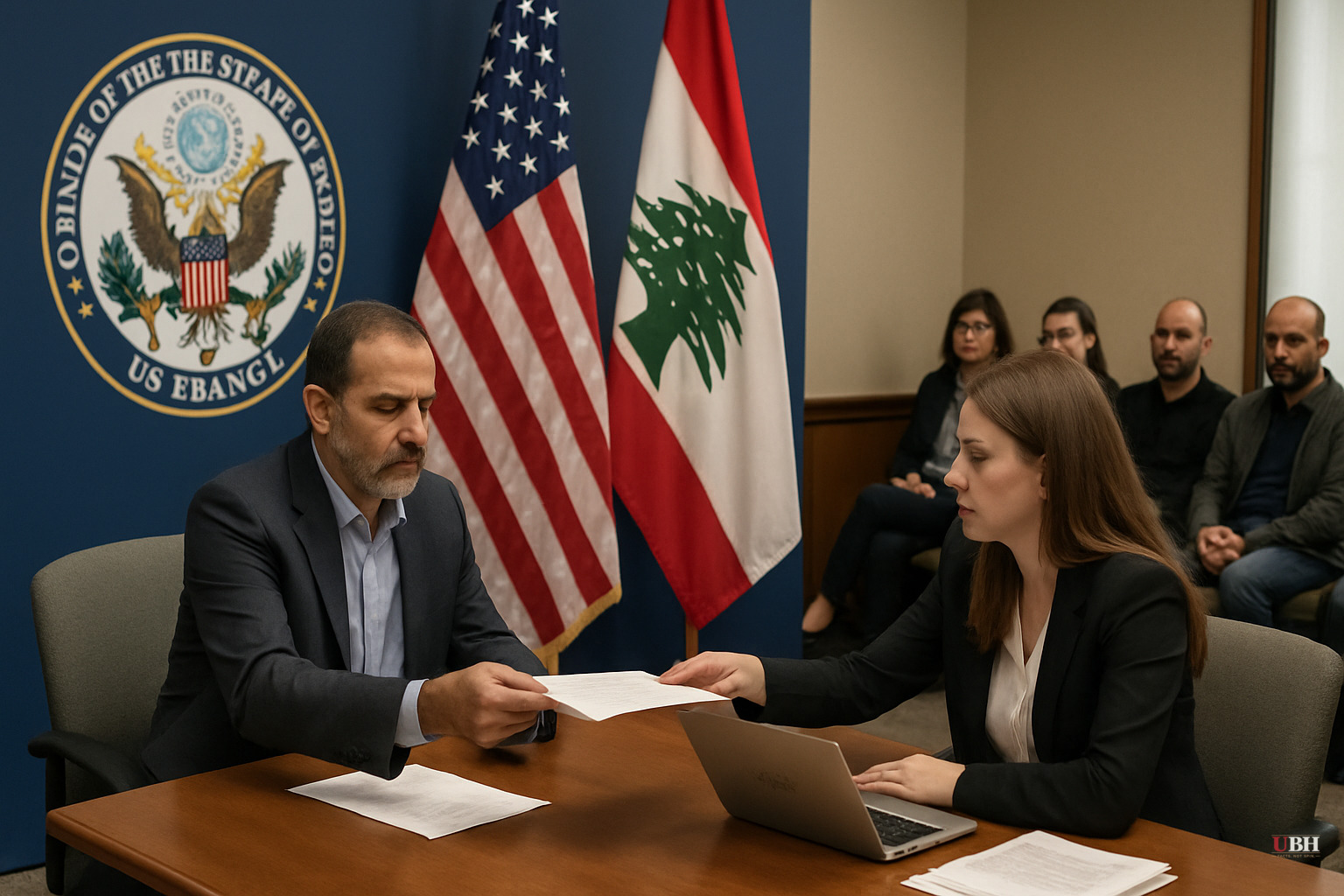
Washington Is Paying For Better Press In Lebanon
The US Embassy in Beirut announced a new funding opportunity this week offering grants of up to $250,000 to Lebanese organizations willing to run programs that, in the embassy's words, "strengthen ties between the US and Lebanon." The State Department's Grants.gov listing says it expects to award at least $500,000 total, spread across a minimum of two recipients.
The stated goals aren't subtle. The program aims to boost "increased local recognition of the United States' leadership and positive role in stabilizing Lebanon," according to the grant listing. It also lists a specific objective: reducing "acceptance of false narratives that portray U.S.-mediated engagements as arbitrary, destabilizing, or disengaged."
The embassy frames this as digital literacy work, helping Lebanese citizens "identify and push back on false, adversarial narratives," according to its own statement posted on X.
Critics see something else.
The Timing Isn't An Accident
This grant didn't appear in a vacuum. It landed while Washington is actively trying to broker a deal between Israel and Lebanon, and while the region remains unstable. Israel is at war with Hezbollah, the armed group that operates independently of Beirut's government and rejected the framework Lebanon and Israel reportedly signed last month.
Hezbollah's objection is straightforward: the deal lets Israeli forces stay in Lebanon until the militia disarms. According to the Associated Press, US-mediated talks in Rome produced movement toward "pilot zones" in southern Lebanon, where Israeli forces would pull back and hand control to the Lebanese army. The State Department confirmed that development.
Context matters here. The current war started after Hezbollah fired rockets into Israel following the Israel-US strikes on Iran that began February 28. Israel responded by invading southern Lebanon and has occupied a significant chunk of it since.
So the US isn't just funding "digital literacy." It's funding better PR in a country where American-backed military occupation is an active, daily reality for Lebanese civilians.
Lebanese Reaction Is Blunt
Anthony Sargon, a Lebanese podcaster who hosts the Do Not Worry Podcast, told The New Arab the grant program is exactly what it looks like. "The US embassy is willing to pay Lebanese corporations or individuals large sums of money to promote American and Israeli hegemony in the region," Sargon said.
He compared it to Israel's own influencer-payment campaigns. "It reminds me of when Israel was shelling out $7,000 per post for US influencers to make pro-Zionist content in the US," Sargon told the outlet, calling it "another pathetic attempt to launder their image and distract from their countless war crimes."
Sargon also raised a more specific concern beyond the optics problem: data collection. He told The New Arab he's "more concerned about data collection and the use of AI, which the program heavily encourages," warning that information gathered could eventually be "turned against the Lebanese population." That's a real, documented feature of the grant, since the listing does encourage digital tools and outreach infrastructure as part of the deliverables.
Sargon called anyone who takes the money "a collaborator and a traitor working against Lebanon's best interests and sovereignty." Reasonable people in Lebanon who want peace with Israel and an end to Hezbollah's parallel state within a state might see US-funded stabilization messaging very differently, as useful counter-programming against a militia that answers to Tehran, not Beirut.
What This Actually Is
Strip away the spin from both directions and this is standard American public diplomacy, the kind the State Department runs in dozens of countries through embassy grant offices. Governments pay for influence operations abroad constantly.
What's different here is the transparency. The grant listing is public, on Grants.gov, with explicit language about combating "false narratives." Nobody's hiding the ball on intent. Whether that intent constitutes legitimate public diplomacy or paid propaganda depends entirely on which side of the Rome talks you trust.
The unresolved question is simple: does $500,000 in messaging grants move Lebanese public opinion at all when Israeli troops are still sitting in the south of the country? Sargon doesn't think so, telling The New Arab he's skeptical the program will find "new converts." The State Department hasn't said how it will measure success, or who has applied so far.
Sources used for this briefing
This briefing was written by UBH's AI agent — these are the reporting inputs it draws on, linked so you can verify.


