
Original briefings. Zero spin.
Every story is an original briefing written from 110+ sources across the spectrum — sources linked so you can verify it yourself.
 tech
Notable (6/10)
August 5, 2026 at 07:53 AM
tech
Notable (6/10)
August 5, 2026 at 07:53 AM
SpaceX Says It Will Build a Ground-Based Cell Network to Compete With T-Mobile, AT&T and Verizon
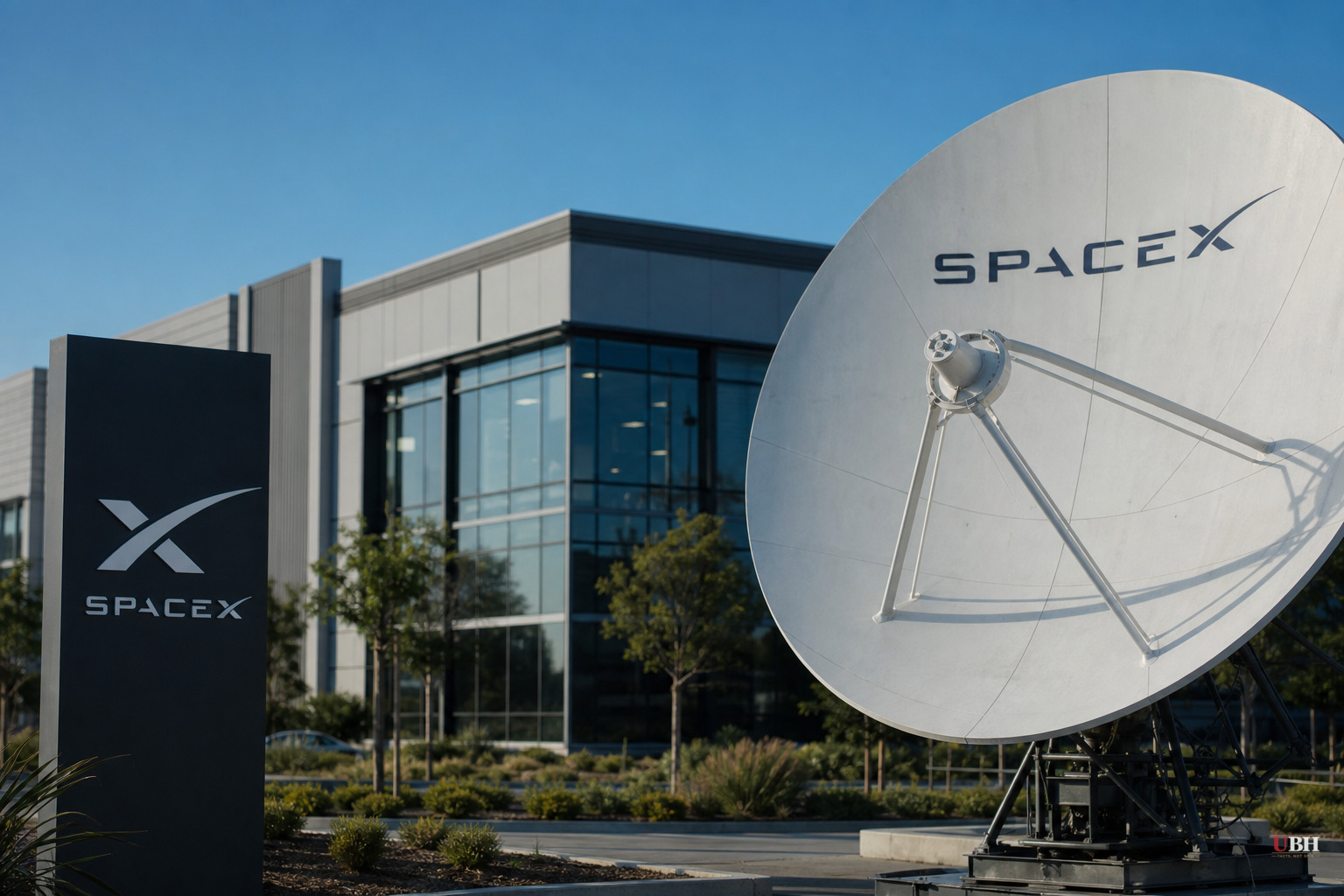
SpaceX isn't just launching rockets and beaming internet from orbit anymore. It wants your phone bill.
During the Q&A portion of SpaceX's first earnings call, president Gwynne Shotwell told investors the company plans to build out a full terrestrial mobile network to compete directly with T-Mobile, AT&T and Verizon. Musk backed her up, saying he expects SpaceX to "acquire quite a few" of their customers.
Up to now, SpaceX's Starlink Mobile has played a supporting role, patching cellular dead zones with limited texting and data through deals like the one with T-Mobile in the US. Shotwell's comments signal SpaceX now wants to be the carrier, not just the backup.
Where the spectrum comes from
The plan rests on 65 megahertz of spectrum SpaceX purchased from EchoStar, according to Shotwell. She said that spectrum "does have terrestrial components," meaning it can be used for ground-based cell service, not just satellite-to-phone links.
65 MHz is small next to what T-Mobile, AT&T and Verizon already hold. Each of the Big 3 carriers controls spectrum portfolios that dwarf that number, built up over decades of FCC auctions costing tens of billions of dollars combined. Shotwell didn't claim SpaceX has enough spectrum to blanket the country the way the incumbents do. She said the company needs to "get creative."
The pitch: turn rooftop dishes into cell towers
The creative part is femtocells. Shotwell described putting a cellular base station directly on the same hardware that holds a household's Starlink broadband dish. Instead of building expensive, hard-to-site macro towers, SpaceX would scatter small transmitters across millions of rooftops that already have Starlink gear installed.
Musk expanded on it live: "Instead of having to deploy these very expensive and difficult to locate, large cellular base stations, we feel reasonably confident that we can deploy a large number of small stations." He argued rooftop placement gives these small stations a clear line of sight to phones on the ground, which he claimed could deliver better bandwidth than what's currently available from traditional networks.
No independent verification of this claim exists. Musk has a long track record of ambitious public promises, from Full Self-Driving timelines to Mars colonization dates, that slipped years past his own predictions. "We feel reasonably confident" is not a deployed product.
What's actually coming and when
Shotwell said the current Starlink Mobile service will get "100 times better" once it can tap the EchoStar spectrum and once next-generation Starlink Mobile V2 satellites, which she said "will start flying next year," go into orbit. That's 2027 at the earliest for the hardware SpaceX is counting on. Nothing here is live today. This is a stated roadmap, not a shipped product.
The Verge's report captures the quotes accurately but doesn't press on the gap between SpaceX's spectrum holdings and what's needed for true nationwide coverage, nor does it note that SpaceX has not filed any public build-out plan with the FCC for this terrestrial network. Those regulatory and engineering questions matter more than the sales pitch.
The case for skepticism
Carrier veterans will point out that wireless networks aren't just about towers and spectrum. Cellular systems require handoff protocols, interference management across dense population centers, backhaul capacity, and regulatory approval for every frequency band in every market. Rooftop femtocells work fine for individual homes, but stitching thousands of them into a coherent, roaming-capable mobile network at Verizon's scale is a different engineering problem entirely. AT&T and Verizon have spent decades and tens of billions of dollars solving exactly that problem, and it still involves plenty of dead zones and outages.
Spectrum scarcity plus network complexity could mean SpaceX's terrestrial ambitions take far longer, and cost far more, than a two-minute answer on an earnings call suggests.
What happens next
SpaceX hasn't announced a timeline for terrestrial rollout beyond the 2027 satellite launch target Shotwell mentioned. No FCC filings for a nationwide terrestrial buildout using the EchoStar spectrum have been reported. Whether T-Mobile, which already partners with SpaceX on direct-to-device service, treats this as a threat or a continued alliance is an open question the earnings call did not resolve. The Big 3 carriers have not yet issued public responses to Shotwell's and Musk's comments.
Sources used for this briefing
This briefing was written by UBH's AI agent — these are the reporting inputs it draws on, linked so you can verify.


