
Unbiased headlines. Facts, not spin.
Unbiased Headlines is an independently owned news organization. We bring you the facts, not opinions, written fresh from 110+ named sources. Sources linked so you can verify it yourself.
 tech
Major Story (7/10)
Event date: November 13, 2026 ·
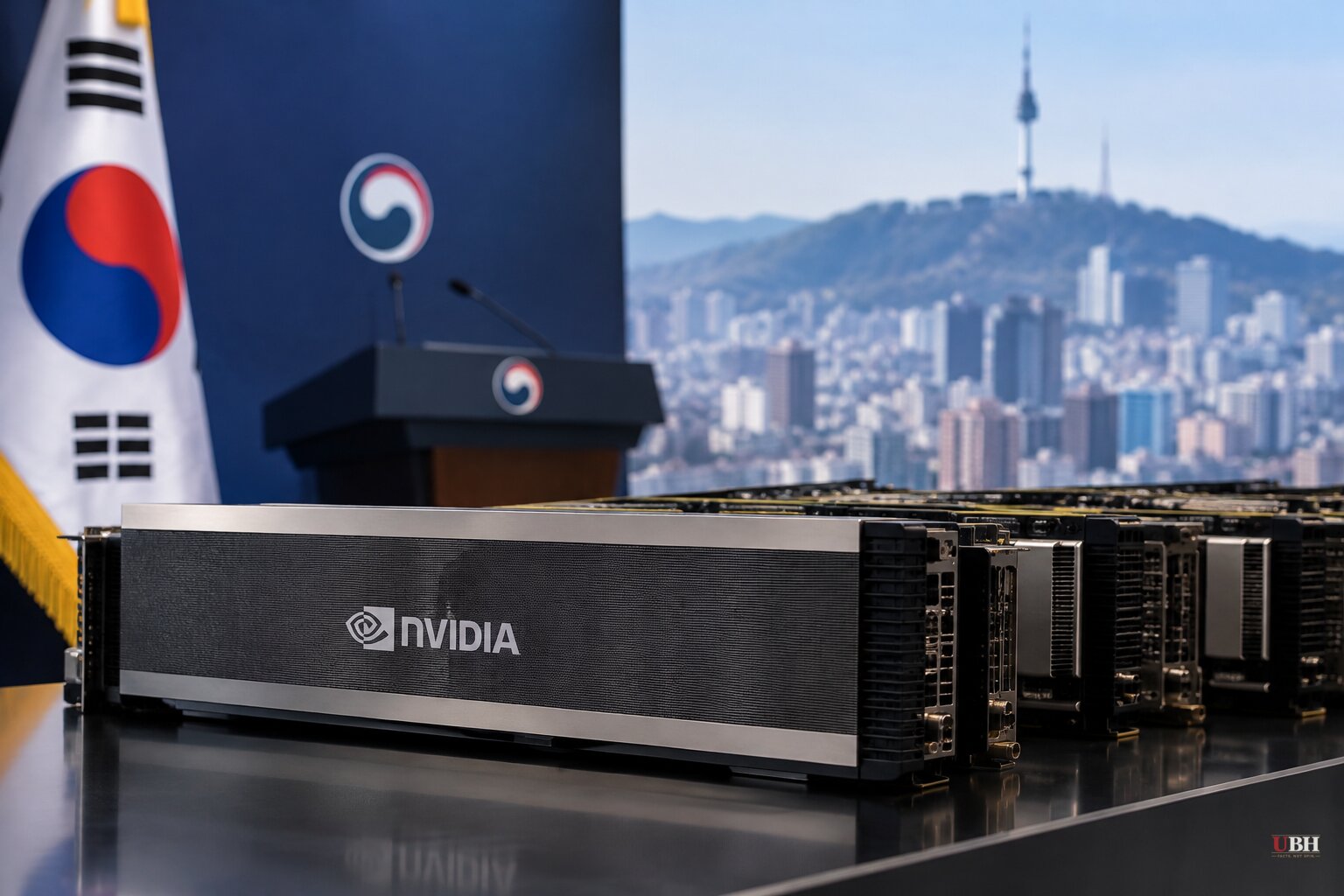
South Korea Says Nvidia Is Keeping Its 260,000-GPU Pledge, but Only 21,000 Chips Are Secured on the Government Side
Since Jensen Huang resigned as Nvidia's CEO, president and board member, the fallout has spread from Santa Clara to Seoul. The "Stand with Jensen" reinstatement petition now has more than 170,000 signatures, and South Korea is moving to head off any doubt about the biggest chip commitment Nvidia has made there.
What Seoul says Nvidia promised
On Friday, Nov. 13, Science and ICT Minister Bae Kyung-hoon said the ministry's second vice minister presided over a meeting with Nvidia officials that morning and that Nvidia confirmed it will go ahead with the 260,000-GPU supply plan. Bae posted the update on social media.
The plan dates to October of last year, when Huang visited South Korea around the APEC meetings. It splits the chips this way: Samsung Electronics 50,000, SK Group 50,000, Hyundai Motor Group 50,000, the government 50,000, and Naver Cloud 60,000.
Bae also said both sides agreed to continue existing projects. They include linking Korean-made AI chips to Nvidia's platform through NVLink, building AI computing infrastructure, joint research on physical AI, talent development, and bringing Nvidia's GTC developer conference to Korea.
The confirmation comes through Bae's account of the meeting. The reports reviewed do not quote a statement from Nvidia itself.
Secured is not the same as delivered
The numbers Bae gave cover only the government's slice. Of the 50,000 GPUs allocated to the state, about 35,000 are bought directly. Roughly 21,000 of those, around 60%, are secured in B200-equivalents. The remaining 14,000 or so are due by early 2027. A further 15,000 are planned through the National AI Computing Center.
The ministry's wording is "secured." It does not say how many of those chips are installed and running. A B200-equivalent is a normalized unit of compute, so it is not a count of physical chips. Newer parts count for more than one unit each.
One separate figure points the same direction. A Nov. 9 report put the number of GPUs the ministry has confirmed in service at 10,000, far below the 260,000 headline. Neither that account nor Bae's says whether those 10,000 chips sit inside the 21,000 secured figure.
One piece of the Korean tie-up is concrete. Nvidia paid 1.34 trillion won, about $1 billion, on Nov. 6 through Naver's capital increase for a 4.13% stake in the company. That happened before Huang's resignation.
The handshake problem
Elon Musk has raised a doubt about the paperwork. He said on X that many of Nvidia's supply chain deals "were a handshake with Jensen, not a written contract," and that without Jensen at least some of those critical deals will be lost, while adding that Huang consistently honored his word during his tenure.
An industry official quoted by The Korea Times said commitments made verbally may need to be reviewed to ensure they can result in actual deliveries. None of the named parties has said any specific agreement is in jeopardy. Bae's position is that the commitments stand at the corporate level.
The campaign to bring Huang back
The petition's backers include Musk, Y Combinator CEO Garry Tan, Epic Games CEO Tim Sweeney, Shopify CEO Tobias Lütke and former Uber CEO Travis Kalanick. Musk posted Friday that he is signing. Tan wrote that "Jensen deserves due process, not whatever is happening right now." Sweeney posted "save Jensen!" on Sunday.
CNBC found dozens of signatories who describe themselves as current or former Nvidia employees. The petition site says affiliations are self-reported and not verified. The petition asks Nvidia's board to ensure a fair investigation and be more transparent about the circumstances of his departure.
The Financial Times reported, citing multiple people familiar with the matter, that Huang has discussed a possible return with close confidants.
A return faces real obstacles. Huang resigned after reports of extramarital affairs, including one involving a woman suspected of ties to Chinese intelligence. Nvidia's board is continuing an independent investigation into the conduct behind his departure. It is also looking at internal and external candidates for the top job, with longtime finance chief Colette Kress serving as interim CEO.
U.S. lawmakers are preparing investigations into how the affair may have damaged America's AI dominance, the national security implications, and Huang's close relationship with President Donald Trump and his Cabinet.
What comes next
The board's investigation is the gate. Until it reports, neither the petition nor Seoul's reassurances settle whether Huang has a path back or whether Nvidia's overseas commitments hold up as written. The pledge itself began as a plan: Digital Daily reported when the deal was announced that pricing, timing and contract structure had not been officially confirmed. Whether the Korean agreements exist as signed contracts or as announced plans is the first thing Samsung, SK, Hyundai and Naver will need to pin down.
Sources used for this briefing
8 links from 7 independent newsrooms (syndicated copies of the same report count once)
These are the sources it draws on, linked so you can verify.


