
Unbiased headlines. Facts, not spin.
Unbiased Headlines is an independently owned news organization. We bring you the facts, not opinions, written fresh from 110+ named sources. Sources linked so you can verify it yourself.
 finance
Major Story (7/10)
Event date: September 1, 2026 ·
finance
Major Story (7/10)
Event date: September 1, 2026 ·
Singapore's MAS Proposes Formal Stablecoin Licensing Regime, Opens Door to Foreign Issuers
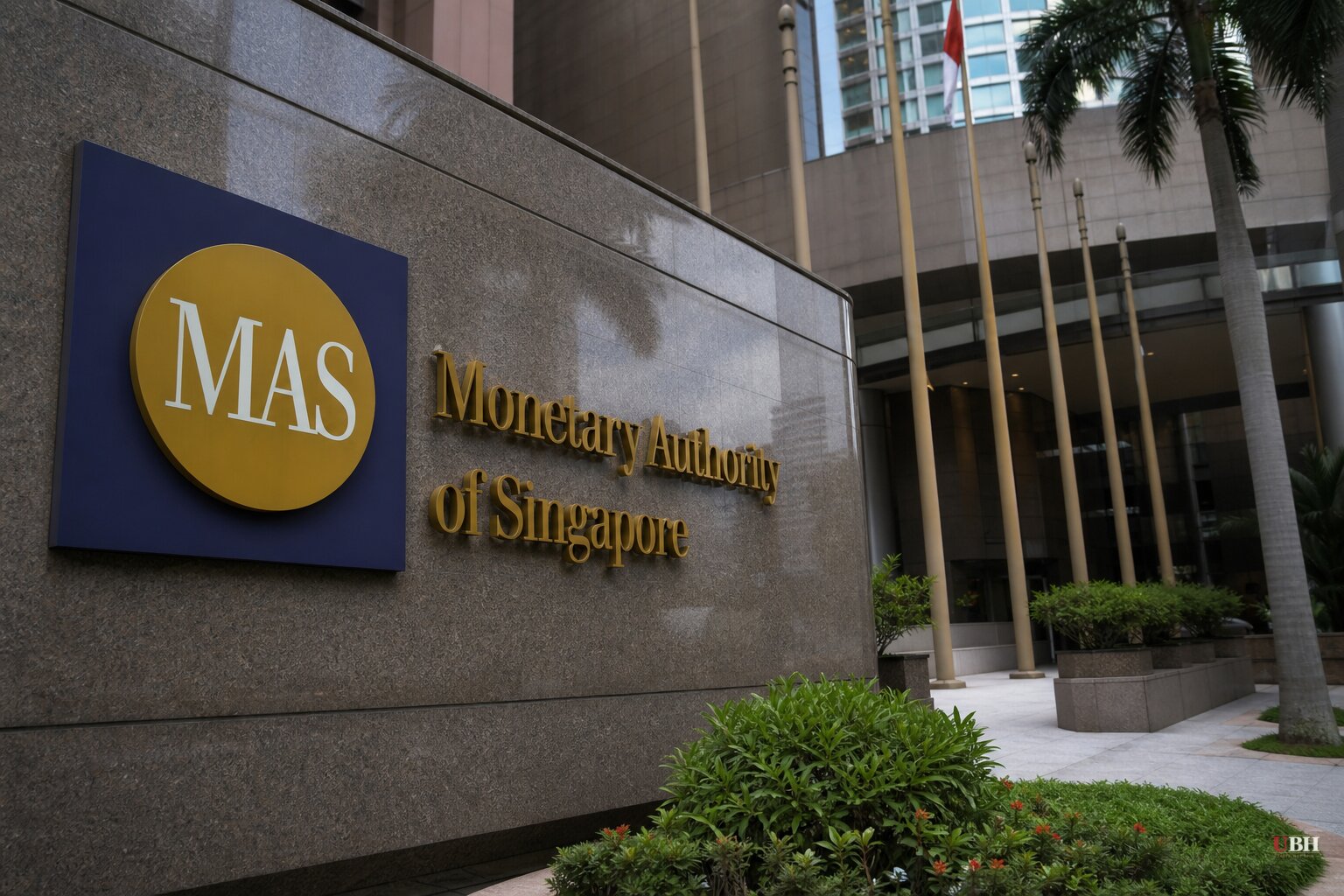
Singapore's central bank wants to decide who gets to call their crypto token a real stablecoin. On September 1, the Monetary Authority of Singapore published consultation paper P015-2026, proposing amendments to the Payment Services Act 2019 that would formalize the MAS Single-Currency Stablecoin framework, according to Crypto Briefing and law firm client alerts from Gibson Dunn and Reed Smith. Feedback closes October 16, after which MAS will draft the subsidiary legislation separately.
The rules are not soft. Issuers must back every token dollar-for-dollar, or currency-for-currency, with cash, bank deposits, or short-term government debt meeting minimum credit ratings, according to Reed Smith. They must return par value to any holder who asks for redemption within five business days. Minimum base capital is set at the higher of SGD 1 million or 50 percent of annual operating expenses, Reed Smith reported, and issuers need liquid assets on top of that to fund an orderly wind-down if things go bad.
MAS also wants quarterly stress testing and mandatory recovery plans, per Crypto Briefing, plus a flat ban on paying interest to stablecoin holders. That interest ban is deliberate. It keeps stablecoins classified as payment tools instead of bank deposits, mirroring the European Union's MiCA framework and the direction Congress has taken in the United States, Crypto Briefing noted.
MAS isn't planning to license everyone who applies. The regulator explicitly said it expects only a limited number of issuers and coins to get the MAS-SCS label, based on a holistic review of financial soundness, business viability, and operational track record, according to Gibson Dunn. Anyone who doesn't get licensed can still operate, but their token gets treated as an ordinary digital payment token, not a MAS-regulated stablecoin, The Straits Times reported.
The most consequential change isn't the reserve math. It's the reversal on cross-border issuance. When MAS first laid out its stablecoin policy in August 2023, issuance was effectively limited to Singapore-only operations, according to Gibson Dunn. The new proposal allows joint Singapore-foreign issuance on a case-by-case basis, provided issuers show adequate risk controls, and it opens limited recognition of foreign-issued stablecoins regulated under regimes MAS considers comparable.
Gibson Dunn's lawyers called this reversal telling, noting the legislation was originally expected in the fourth quarter of 2025 and took nearly a year longer than planned. The delay, they wrote, reflects how much time MAS spent working through the cross-border questions before landing on a position.
Central Banking flagged one detail still unresolved: MAS is separately seeking feedback on how issuers can use the returns earned on the pool of assets backing their tokens. Holders can't get paid interest directly, but the paper leaves open how issuers themselves might benefit from yield on reserves. This will remain unsettled until the consultation closes.
There's a legitimate concern here for anyone who thinks heavy compliance regimes favor big players over small ones. Crypto Briefing put it plainly: for smaller issuers, the combination of capital requirements, stress-testing infrastructure, wind-down planning, and five-day redemption guarantees creates a real barrier to entry. A startup token issuer without deep pockets or a compliance department is going to have a hard time clearing this bar.
A licensing regime this strict means fewer approved stablecoins, but it also means the ones that do get the government stamp are backed by real assets and real capital, not vapor. Whether that's worth it depends on whether you think a handful of well-capitalized, audited issuers serve consumers better than a wide-open market with more risk of a token breaking its peg. MAS has clearly picked its side.
Singapore isn't moving in a vacuum. The EU's MiCA framework is already operational, the UK and Hong Kong have advanced their own regimes, and the US signed the GENIUS Act into law in July 2025, requiring payment stablecoin issuers to back tokens one-to-one with cash and short-term Treasuries, according to the Epoch Times. That reserve requirement is already binding under US law, though regulators have not yet finished the customer-verification and anti-money-laundering rules that go with it, the Epoch Times reported.
The Epoch Times also flagged October 1, 2026, as a date when three separate US and state rulebooks converge: individual capital requirements for the largest banks fully take effect under Federal Reserve rules that day, and Florida's new payment stablecoin law, which also requires full reserve backing, takes effect the same day. That is a US regulatory story running on its own timeline, separate from what MAS is doing in Singapore, but it underscores that stablecoin regulation is now a global race rather than a single-country experiment.
None of that changes what happens next in Singapore. MAS collects public feedback through October 16, then drafts the actual subsidiary legislation on its own schedule. How many issuers ultimately win the MAS-SCS label, and whether any major foreign stablecoin gets formal recognition under the new cross-border provisions, remains an open question the consultation period is designed to answer.
Sources used for this briefing
7 links from 7 independent newsrooms (syndicated copies of the same report count once)
These are the sources it draws on, linked so you can verify.


