
Original briefings. Zero spin.
Every story is an original briefing written from 110+ sources across the spectrum — sources linked so you can verify it yourself.
 finance
Major Story (7/10)
September 4, 2026 at 09:25 PM
finance
Major Story (7/10)
September 4, 2026 at 09:25 PM
August Payrolls Blow Past Forecasts, Rate-Hike Odds Jump to 58% Ahead of Next Week's CPI Report
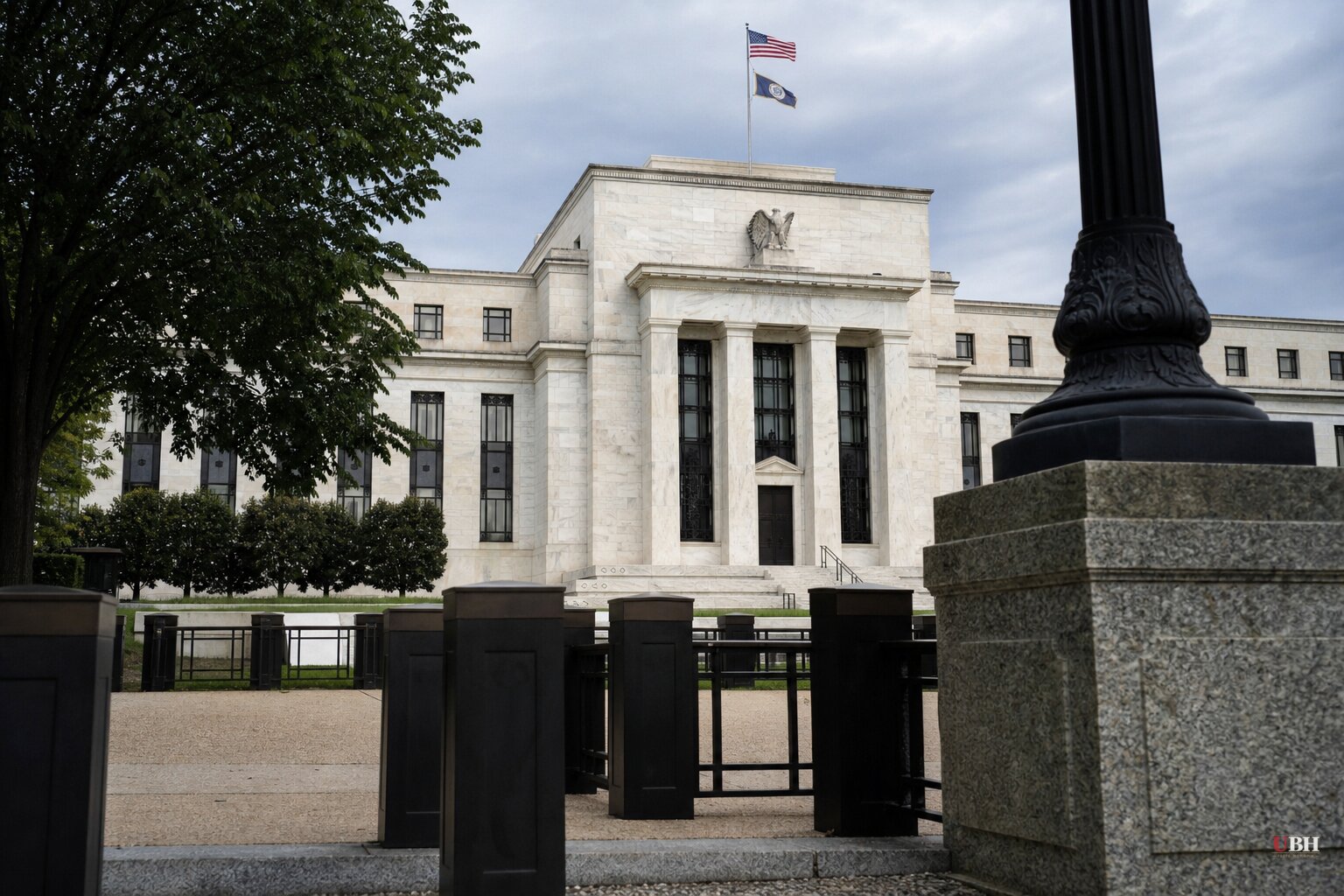
Since El-Erian's bond sell-off warning earlier today flagged the UK, Japan and France as the most exposed G7 nations, a domestic jobs number just added fresh fuel to the same fire in U.S. markets.
The Labor Department reported nonfarm payrolls rose 162,000 in August, according to CNBC, crushing the Dow Jones forecast of 53,000. Unemployment held at 4.1%, in line with expectations. June and July payrolls were also revised upward.
Stocks fell Friday as investors recalibrated their bets on the Federal Reserve's September 15-16 meeting, CNBC reported. Odds of a rate hike at that meeting jumped to 58% from 49.4% the day before, according to the CME FedWatch tool.
This marked a reversal from earlier in the week. A Friday-morning preview from ZeroHedge, published ahead of the 8:30 a.m. ET release, warned "the risk is for another negative print." The actual number went the opposite direction, tripling the consensus estimate.
Yields Already Moving Before the Jobs Data Hit
According to CNBC, the 10-year Treasury yield climbed to its highest level since November 2023 this past week, and the 2-year note hit levels not seen since January 2025. Reuters, via AOL, reported those yields moderated to end the week, which helped the S&P 500 stay on pace for a second straight week of gains as of Thursday, sitting just 0.7% shy of its mid-August record high.
BBVA Research, in an August 27 note from economists Javier Amador and Iván Fernández, argued the yield run-up has more to do with a growing term premium than a short-term reassessment of the inflation outlook. Their August Survey of Professional Forecasters found respondents now expect the 10-year yield to hover closer to 4.5% than 4.0%, with what they called a "slight hiking bias" building since May.
Next Week Is the Whole Ballgame
With Labor Day closing U.S. markets Monday, September 7, the holiday-shortened week compresses two critical inflation reports into two days. Producer prices land Thursday, September 10, and the consumer price index follows Friday, September 11, according to Reuters via AOL.
Economists polled by Reuters expect a 0.4% monthly rise in August CPI and a 0.2% rise in core CPI, which strips out food and energy. The prior month's reading showed prices had barely moved.
Sid Vaidya, chief investment strategist at TD Wealth, told Reuters that Fed officials "have spent recent months underscoring their commitment to price stability, and at some point, that rhetoric will need to be backed by action if inflation fails to show sufficient progress." Garrett Melson, portfolio strategist at Natixis Investment Managers Solutions, said the report comes down to whether it "really confirms the cooling that we saw in June and July."
Fed Chairman Kevin Warsh's Jackson Hole remarks, referenced across multiple sources, described the labor market as "quite stable" while signaling the central bank might have to act if inflation stays elevated. Friday's payroll beat gives that framing more weight heading into the CPI release.
The Bear Case: A Hike Above 5%
Seeking Alpha analyst Damir Tokic laid out a more aggressive scenario. He expects August headline CPI to rise to 3.6% on higher energy costs, without much movement in core CPI, but points to super-core PCE inflation running at 3.9% as evidence of persistent wage-driven pressure. Tokic argues the Fed could be forced to push rates above 5% to invert the yield curve, and warns the S&P 500's current valuations look like a bubble that higher rates could pop.
This represents the strongest case for the hawks: if super-core inflation is running near 4% and the labor market just surprised to the upside, the argument that the Fed can afford to stay patient gets harder to make. Nothing in the other sourced reporting confirms a hike above 5% is likely, and CME's FedWatch pricing puts hike odds at 58%, not near-certainty.
Sam Stovall, chief investment strategist at CFRA Research, said the market is caught in a tug of war between those betting on a hike and those betting the Fed stays on hold, with little else competing for attention. "They're going to all come from Missouri and say, 'Show me,'" he told CNBC, meaning traders want the hard data before taking a side.
The open question heading into September 11: does the CPI print confirm the June-July cooling, or does it validate the hawks who think one hot jobs report plus rising energy costs is enough to force the Fed's hand. Fed funds futures will move fast either way, and the S&P 500's push toward a new record high depends on which story wins.
Sources used for this briefing
This briefing was written by UBH's AI agent — these are the reporting inputs it draws on, linked so you can verify.


