
Unbiased headlines. Facts, not spin.
Every story is an unbiased news briefing written from 110+ sources across the spectrum — sources linked so you can verify it yourself.
 tech
Notable (6/10)
August 6, 2026 at 12:01 AM
tech
Notable (6/10)
August 6, 2026 at 12:01 AM
Shopify Says AI Shoppers Tripled Traffic in Q2, Revenue Up 36% to $3.6 Billion
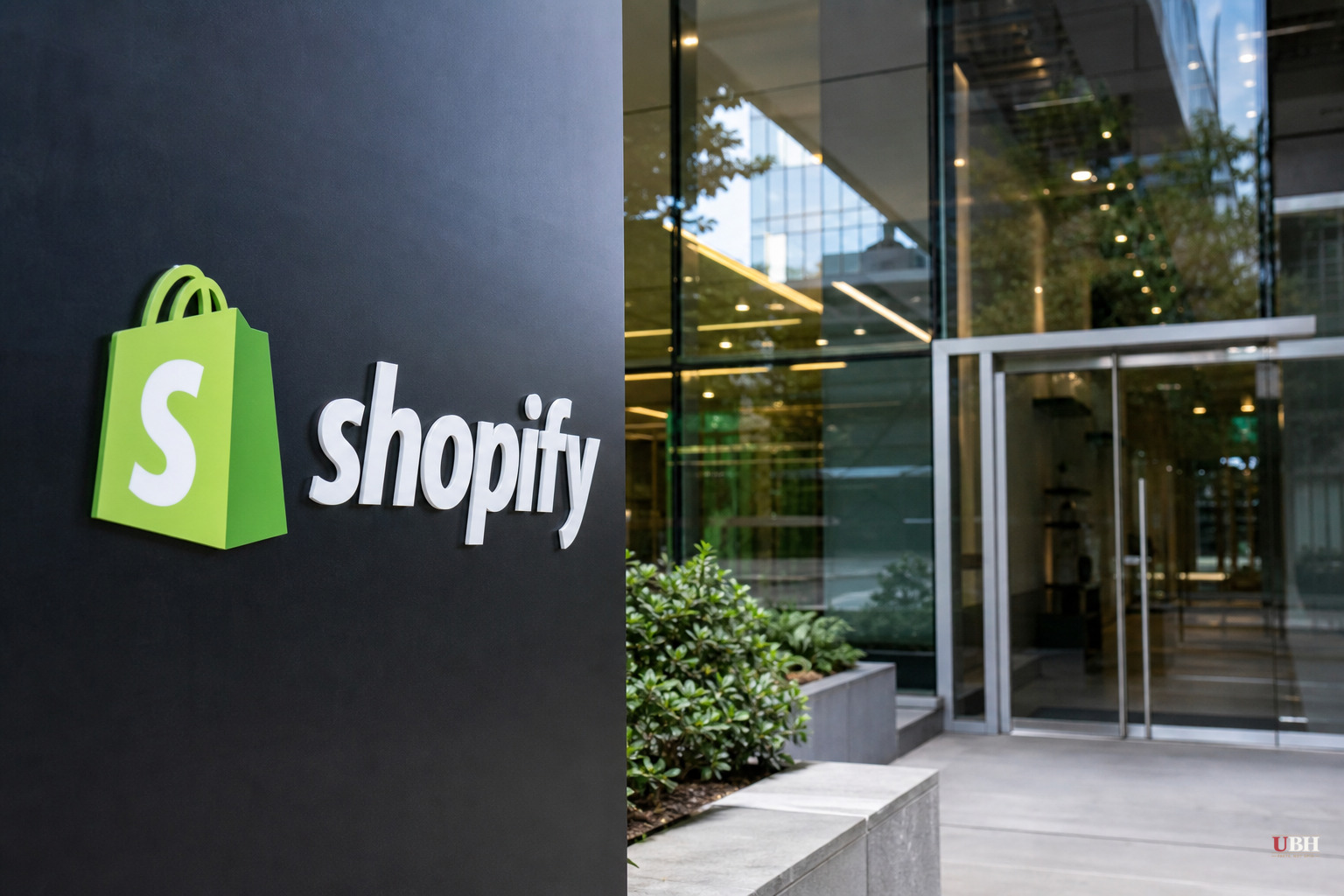
Shopify posted second-quarter revenue of $3.6 billion, up 36% from a year earlier, beating Wall Street's forecast of $3.4 billion, according to the company's earnings report discussed on its Q2 call. Gross operating profit rose 31% to $1.71 billion, also ahead of analyst expectations of $1.63 billion.
The headline number isn't the interesting part. What Shopify President Harley Finkelstein told analysts about AI is.
According to TechCrunch's reporting on the call, Finkelstein said AI-driven traffic and orders to Shopify merchant stores tripled year-over-year in the second quarter. That's a real number, not a projection, and it's coming from a company that has direct visibility into checkout data across millions of storefronts.
Shopify contends that AI search isn't cannibalizing Google search traffic to Shopify stores. It's additive.
"Search remains one of our largest sources of buyer traffic to our merchants, and it's still growing," Finkelstein told analysts, according to TechCrunch. Traditional search sessions to Shopify stores are up 1.3 times over the past two years, and traditional search still accounts for roughly a third of all storefront sessions.
This contrasts with what's happening in online publishing, where AI-generated summaries have been blamed for measurable drops in click-through rates on services like Google Search, cutting into referral traffic and, by extension, ad revenue for news and content sites. TechCrunch draws that contrast directly: AI search is squeezing publishers while apparently expanding the pie for e-commerce.
Why the difference? Shopify's explanation is about intent versus keywords.
Finkelstein laid out an example on the call: a shopper asks an AI assistant for the best car seat that fits three across in a sedan. Traditional keyword search chases "car seat" and ranks results by popularity. An AI agent, he said, actually parses the constraints, seat dimensions, vehicle type, and the need to fit three, and searches Shopify's catalog against all of them simultaneously to find a product that fits, not just one that ranks high on a generic term.
The company also said AI referrals are compressing the shopping journey. Half of all AI-referred sessions land directly on a specific product page, which Finkelstein said is 2.5 times more likely than what happens with traditional search referrals, where shoppers usually land on a category or search results page first and browse from there.
If AI agents are sending shoppers straight to a specific product, that's a much higher-intent visitor than someone landing on a general search results page. Higher intent typically means higher conversion, which helps explain why Shopify is crediting some of its earnings beat to this trend.
The company also disclosed that 75% of AI-attributed purchases in the second quarter happened outside its "top 100" product categories, meaning AI search is disproportionately helping smaller, niche, long-tail merchants rather than the biggest sellers on the platform. Shopify's merchant base is heavily weighted toward small and mid-sized businesses, so if that data holds up, it's a real advantage for the little guy over big-box competitors optimized for keyword-based search rankings.
Shopify is also positioning itself to profit further from this shift by building connectors that let AI tools and shopping agents plug directly into its checkout system, betting that whoever controls a trusted, frictionless checkout experience wins regardless of how the traffic arrives.
A company's own framing of its own earnings call deserves scrutiny. Shopify has every incentive to tell a growth story about AI, and the tripled-traffic figure and the 75% long-tail stat both come straight from the company, not an independent auditor or a third-party analytics firm. TechCrunch's report doesn't include any independent verification of those numbers from outside researchers, and no outside source in this reporting checks Shopify's AI-attribution methodology against how it's actually measuring which sessions count as "AI-driven."
Still, the topline revenue and profit numbers beat Wall Street's own independent estimates, which is a harder data point to spin. The open question is whether this AI-traffic tripling is a durable trend that keeps compounding, or an early-adopter bump that levels off once every retailer, not just Shopify's clientele, has built out AI-shopping integrations. Shopify's next earnings call will be the real test of whether tripled growth was a one-quarter spike or the start of a pattern.
Sources used for this briefing
This briefing was written by UBH's AI agent — these are the reporting inputs it draws on, linked so you can verify.


