
Unbiased headlines. Facts, not spin.
Every story is an unbiased news briefing written from 110+ sources across the spectrum — sources linked so you can verify it yourself.
 politics
Notable (6/10)
July 31, 2026 at 10:59 AM
politics
Notable (6/10)
July 31, 2026 at 10:59 AM
Senate Republicans Push Bipartisan Stopgap to December, House GOP's Own Version Already Stalled
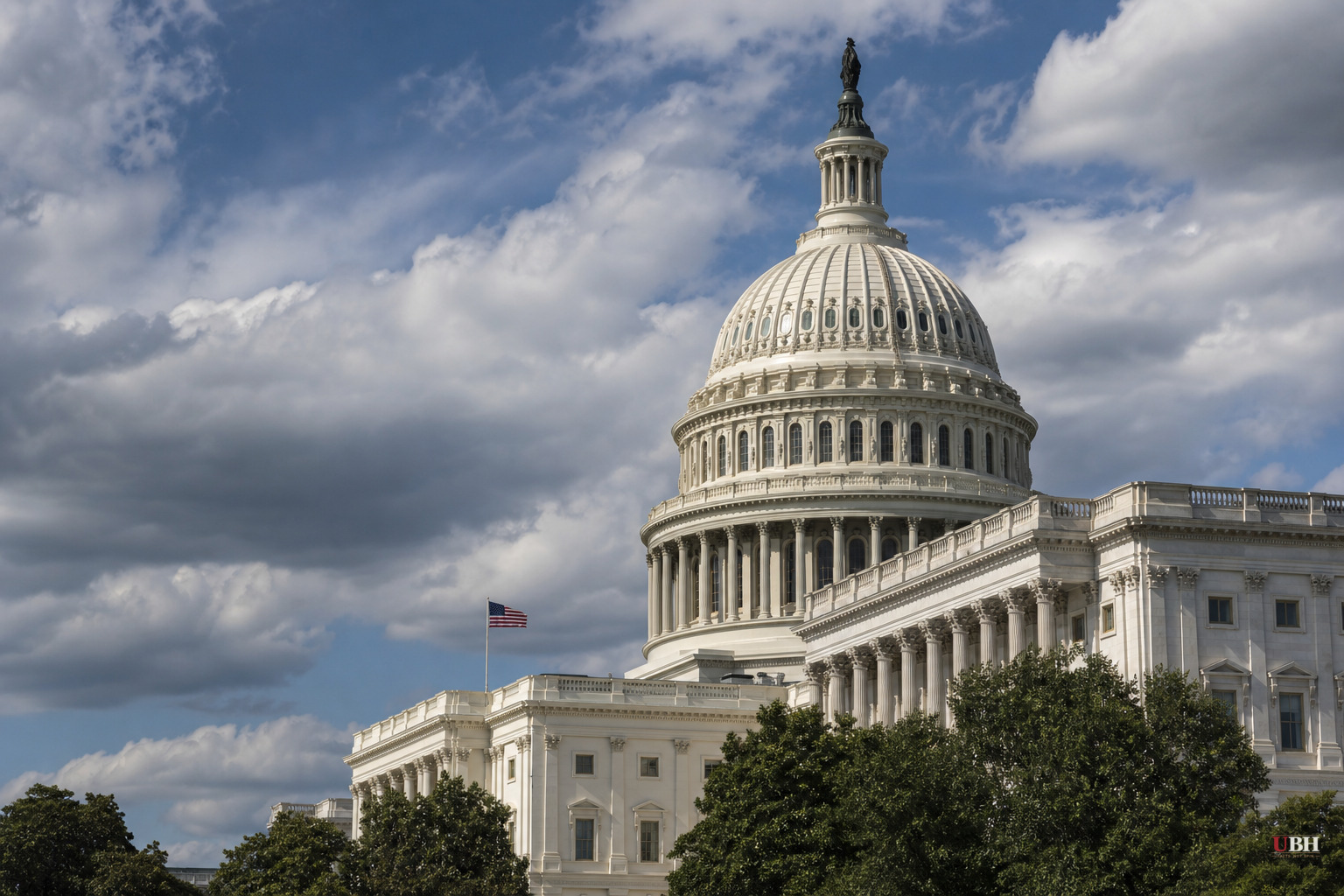
Two Chambers, Two Bills, One Deadline
Government funding runs out September 30. The House already passed its answer: a Republican-only continuing resolution that would push the deadline to December, according to America's Essential Hospitals. House members then left Washington for a five-week August recess.
The Senate isn't going along with that plan. Majority Leader John Thune told CBS News last week he wants a separate, bipartisan continuing resolution on the floor before the Senate leaves for its own recess. He's tasked Appropriations Chair Susan Collins of Maine with drafting it.
"Everybody's going the same direction," Thune told CBS News. "It's just, we have a slightly different process. We need Democrats over here."
The House can pass a funding bill with Republican votes alone. The Senate can't, thanks to the 60-vote filibuster threshold. Thune needs at least seven Democratic votes to get anything through, which means Senate Republicans are negotiating a genuinely different bill than the one House Republicans already passed.
Democrats Say They Don't Want a Fight, But Haven't Folded on Their Demands
Senate Democrats currently hold the only real leverage they have against the Trump administration, and by their own admission, they don't plan to use it hard this time.
"If we can come up with a good bipartisan [continuing resolution], that would be great," Senate Minority Leader Chuck Schumer told NOTUS this week.
Sen. Patty Murray of Washington, the top Democrat on Appropriations, said she's working with Senate Republicans on a stopgap through December that would "fix the problems with the bill that the House Republicans drafted." Her bottom line: "No one wants a shutdown in October."
Last fall, Senate Democrats forced a 43-day shutdown over expiring Obamacare tax credits, the longest in U.S. history at the time. Earlier this year, a separate fight over ICE funding and immigration enforcement kept the Department of Homeland Security shut down for more than 70 days, according to CBS News. Democrats aren't eager for a third round with the midterms on the line.
But Democrats haven't abandoned their substantive objections. NOTUS reports they've panned the House GOP bill for lacking restrictions on how Trump administration officials can move funding around, and they've drawn a red line: no additional ICE funding without concessions on enforcement reforms from the White House. Sen. Chris Van Hollen of Maryland, who helped block the GOP's reopening attempts during last year's shutdown, told NOTUS Democrats "hope that Republicans will negotiate in good faith" but stopped short of dropping demands.
The OMB Rule Nobody's Talking About Enough
The most pressing sticking point right now is a proposed Office of Management and Budget rule on federal grantmaking that's set to take effect October 1, according to America's Essential Hospitals.
Democrats want language blocking that rule written into the stopgap bill. Collins has pushed back, arguing the grantmaking issue belongs in the annual Labor-HHS-Education appropriations bill, not a temporary funding patch.
That disagreement matters because full-year appropriations work has stalled. America's Essential Hospitals reports the holdup is largely due to fights over President Trump's proposed $1.5 trillion defense budget, which makes it unlikely Congress finishes a Labor-HHS-Education bill before the OMB rule kicks in on its own. If Democrats can't get the rule blocked in the stopgap, they may be stuck with it by default when October arrives.
A Reasonable Conservative Read on the Standoff
There's a fair argument from the right: House Republicans passed a clean, straightforward stopgap and left town. Senate Democrats, and now Senate Republicans negotiating with them, are the ones adding complexity by trying to layer in restrictions on executive branch funding authority and blocking a regulatory rule through a spending bill rather than through the normal appropriations process Collins wants to use. Critics on the right would say that's exactly the kind of legislative overreach that turns simple funding bills into hostage situations.
Democrats' concern about executive discretion over appropriated funds stems directly from disputes over how Trump administration officials have moved money around outside of what Congress explicitly authorized, a recurring friction point in this year's funding fights. Whether that concern justifies attaching riders to a stopgap bill is a legitimate argument. The concern itself isn't fabricated.
What Happens Next
Sen. Katie Britt of Alabama, an Appropriations Committee member, told NOTUS she's "cautiously optimistic" about the state of talks. The House is on recess through late August. The Senate remains in session this week, with the HELP Committee holding a July 30 markup on education legislation, a health privacy bill, and nominations, per America's Essential Hospitals.
Whether Collins can get a bipartisan stopgap through the Senate before the August recess, and whether it can then survive a conference with the House's December-dated version, remains unresolved. The clock runs out September 30.
Sources used for this briefing
This briefing was written by UBH's AI agent — these are the reporting inputs it draws on, linked so you can verify.


