
Unbiased headlines. Facts, not spin.
Every story is an unbiased news briefing written from 110+ sources across the spectrum — sources linked so you can verify it yourself.
 politics
Notable (6/10)
July 27, 2026 at 06:48 AM
politics
Notable (6/10)
July 27, 2026 at 06:48 AM
Senate Control Comes Down to a Handful of States, With North Carolina and Alaska Leading the List
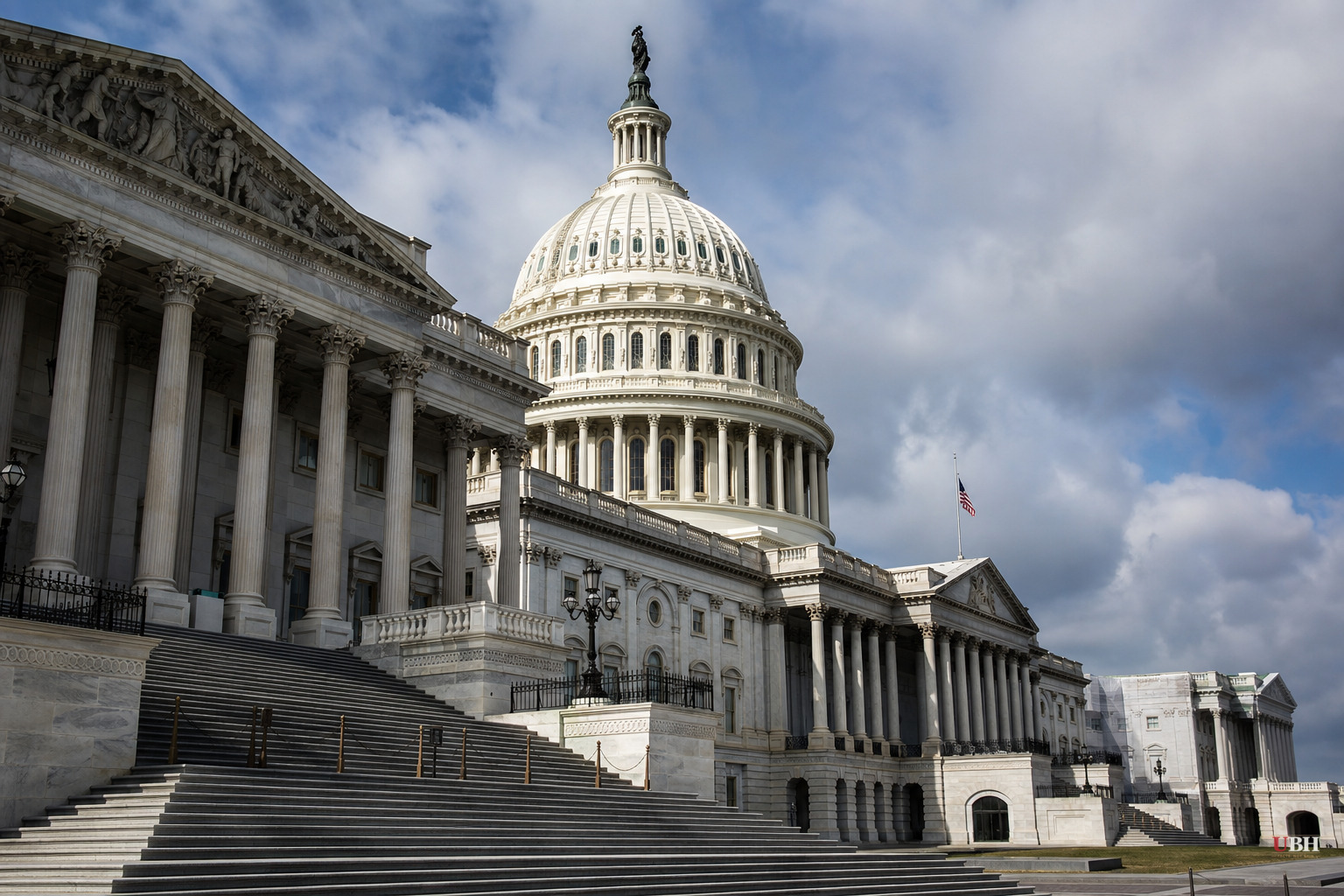
Democrats need to flip four Senate seats to take control this November. That's the whole math. Republicans currently hold the majority, and with a Republican vice president casting any tie-breaking vote, the GOP has more room for error than the numbers alone suggest.
Republicans aren't pretending this will be easy. Party strategists are bracing for Democrats to pick up somewhere between one and three seats, according to NPR. That's not a majority flip on its own, but it shows even Republicans see a rough map ahead.
Two forces are working against the GOP heading into the fall: President Trump's approval ratings have been weak, and voters are frustrated about the economy. Add in fallout from the recent U.S. involvement in the Iran conflict, and Republicans are navigating a tougher environment than they'd like in a midterm cycle where history already tends to punish the party in the White House.
North Carolina Is the Democrats' Best Shot
Republican Sen. Thom Tillis announced he would not seek reelection, opening up a seat in a state Trump carried in 2024. That retirement handed Democrats their clearest path to a pickup.
Former Gov. Roy Cooper, a Democrat who won statewide office twice even as Trump carried North Carolina, is running against Michael Whatley, the former Republican National Committee chairman and a close Trump ally, according to NPR.
Cooper has the name recognition and, so far, the fundraising and polling lead. But Republicans aren't conceding anything. They point to voter registration numbers that still favor the GOP in North Carolina, and they're counting on Whatley to raise serious money in what's expected to be one of the most expensive Senate races in the country.
The stakes are historic either way. Democrats haven't won a Senate race in North Carolina since 2008. If Cooper wins, it breaks an 18-year drought.
Alaska's Ballot Has Two Candidates Named Dan Sullivan
Alaska was supposed to be a comfortable Republican hold. Instead it's now rated a toss-up, and the reason is almost too strange to believe.
A retired teacher named Dan J. Sullivan entered the race, sharing a name with the sitting Republican senator, Dan S. Sullivan, according to NPR. Alaska runs an open primary where all candidates compete together and the top four advance to a ranked-choice general election. That means both men named Dan Sullivan could end up on the same November ballot, and voters may genuinely struggle to tell them apart.
Sen. Sullivan tried to get the other Dan Sullivan removed from the ballot and failed, NPR reported. That failure is now shaping the entire race. Democrats see an opening here, with former Rep. Mary Peltola, who in 2022 became the first Alaska Native elected to Congress, viewed as a serious contender if the ballot confusion splits Republican votes.
This isn't a case of dirty tricks or a rigged process, at least not based on anything in the reporting. It's a quirk of Alaska's unusual voting system combined with a genuine coincidence of names. Whether voters can reliably distinguish the two Dan Sullivans in a ranked-choice format is a legitimate open question, and it's one election officials in Alaska will have to manage carefully before ballots go out.
The Democratic Primaries Have Their Own Storyline
On the Democratic side, primaries have featured a rise in socialist-leaning candidates alongside younger, outsider figures challenging establishment picks, according to NPR.
Republicans are treating this as a gift. GOP strategists argue that general-election voters, including plenty of independents and moderates, want "centrist, commonsense policies," and will "vehemently" reject candidates carrying what Republicans describe as "massive tax burdens," per NPR's reporting on conversations with party operatives.
Far-left primary winners have cost Democrats winnable general elections before, and if primary voters in swing states nominate candidates well to the left of the general electorate, it hands Republicans an easier argument in November regardless of the national environment.
What's Actually Unresolved
NPR's own framing acknowledges the obvious limitation here: several primaries haven't happened yet, and the ratings from the Cook Political Report are snapshots, not predictions. Neither party has had an easy time winning Senate seats in states that backed the other party's presidential nominee, which is exactly why North Carolina and Alaska are drawing so much attention. Both break from that pattern.
The bigger unresolved question is turnout. Whether frustration over the economy and Trump's approval numbers translates into actual Democratic turnout in November, or fades the way it has in past midterms, will decide whether one or two Republican-held seats flip, or whether the GOP holds its line entirely.
Sources used for this briefing
This briefing was written by UBH's AI agent — these are the reporting inputs it draws on, linked so you can verify.


