
Unbiased headlines. Facts, not spin.
Every story is an unbiased news briefing written from 110+ sources across the spectrum — sources linked so you can verify it yourself.
 politics
Notable (6/10)
July 22, 2026 at 04:29 PM
politics
Notable (6/10)
July 22, 2026 at 04:29 PM
Scalise Confirms Fourth Reconciliation Bill Will Target Federal Fraud, as Third Bill Still Faces GOP Holdouts
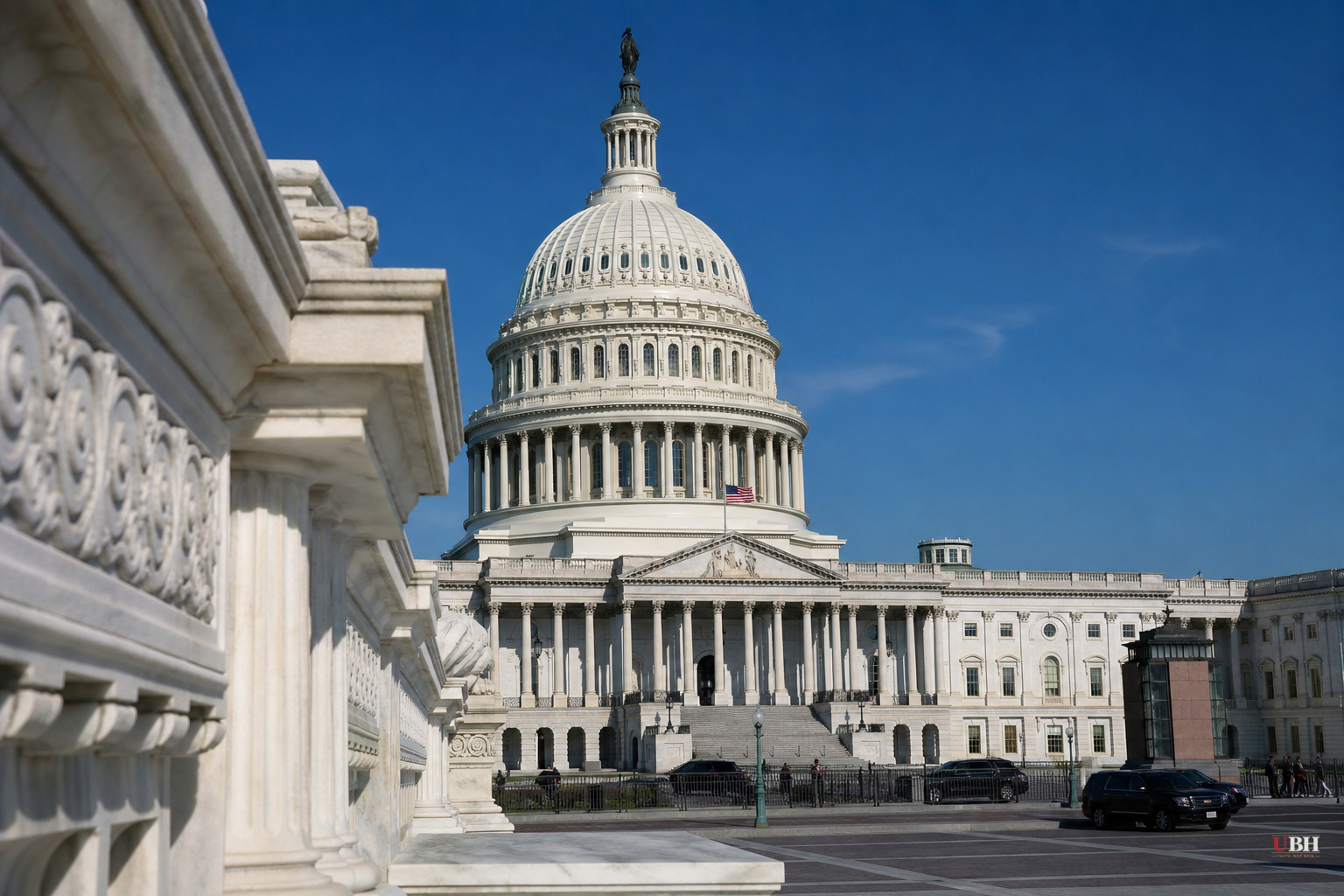
House Majority Leader Steve Scalise has confirmed Republicans are planning a fourth budget reconciliation bill this year, this one aimed squarely at government waste and fraud, according to Fox News Digital. A third reconciliation bill, still working through Congress, remains stalled over objections from fiscal hawks who say it doesn't cut enough spending to offset its cost.
What Scalise Is Actually Proposing
Scalise told Fox News Digital the goal is to "root out" fraud in federal programs and return that money to taxpayers. He pointed to an example from the first reconciliation bill, the One Big Beautiful Bill Act signed by President Trump on July 4, 2025, which ended a tip-tax exemption fight Scalise says exposed fraud rings.
"If you're a single waitress, working three shifts at a diner, Democrats voted against you keeping your tip money," Scalise said, "so that they can give that money to fraudsters in Minnesota who were sending it to terrorist organizations." He called it "insane" and said there's more of it to find.
That Minnesota reference tracks with reporting on federal fraud cases tied to pandemic-era feeding and daycare programs, which federal prosecutors have pursued for schemes involving diverted funds. Scalise's office did not, in this reporting, specify which programs the fourth bill would target beyond the general framing of waste and fraud recovery.
Where the Third Bill Stands
Before Republicans can get to a fourth bill, they have to finish the third. That measure would add roughly $95 billion in federal spending over 10 years, according to Fox News Digital, including $73 billion tied to the U.S. war effort against Iran, $12 billion in aid for American farmers, and $10 billion for states to implement election security measures under the SAVE America Act.
House fiscal hawks are threatening to vote no because the bill doesn't include offsetting spending cuts. Speaker Mike Johnson and OMB Director Russell Vought pitched the fourth, waste-and-fraud-focused bill to House Republicans in a closed-door meeting Tuesday. This appears to be an attempt to give holdouts a reason to support the third bill now by promising savings later.
That sequencing matters. Republicans are essentially asking fiscal conservatives to approve $95 billion in new spending today on a promise that a future bill will claw back money elsewhere. Whether that satisfies members who've already said they want cuts baked into the current bill is an open question Fox News Digital's reporting does not resolve.
The Legislative Mechanics
Reconciliation lets the majority party pass fiscal legislation with a simple majority in the Senate, bypassing the 60-vote filibuster threshold. That's how Republicans passed the first two bills this year, one on Trump's tax priorities and one replenishing funds for his immigration enforcement push, without needing a single Democratic vote.
But reconciliation bills have to follow strict rules under the Byrd Rule: provisions must have a real budgetary effect, and the bill can't touch Social Security. That constrains what a waste-and-fraud bill could actually include. A bill built around fraud enforcement and program integrity would need to show real fiscal impact, not just policy statements, to survive a Senate parliamentarian review.
The Fair Question Here
Democrats will likely note that reconciliation is a partisan tool by design, and that a bill billed as anti-fraud could still be used to cut programs Republicans oppose on other grounds, dressed up as waste reduction. This concern has merit given the track record of reconciliation bills serving broader ideological goals beyond their stated titles. Nothing in Scalise's comments to Fox News Digital lists specific programs or dollar figures the fourth bill would target, which leaves real ambiguity about scope.
At the same time, Scalise's underlying point, that federal fraud enforcement recovers real money, is not controversial on its face. Federal inspectors general and GAO reports have documented billions in improper payments across pandemic relief programs for years. Whether this specific bill delivers targeted fraud recovery or becomes a vehicle for broader spending cuts will depend on the actual text, which has not yet been introduced.
No bill text for the fourth reconciliation package has been released. The third bill's floor timeline also remains unsettled given the holdout dynamics Fox News Digital described. The next concrete marker to watch is whether House GOP leadership can whip enough votes to move the $95 billion package before turning attention to the promised fourth bill.
Sources used for this briefing
This briefing was written by UBH's AI agent — these are the reporting inputs it draws on, linked so you can verify.


