
Unbiased headlines. Facts, not spin.
Unbiased Headlines is an independently owned news organization. We bring you the facts, not opinions, written fresh from 110+ named sources. Sources linked so you can verify it yourself.
 sports
Low Interest (3/10)
sports
Low Interest (3/10)
Sal Veder, Who Shot Vietnam's 'Burst of Joy,' Dies at 99
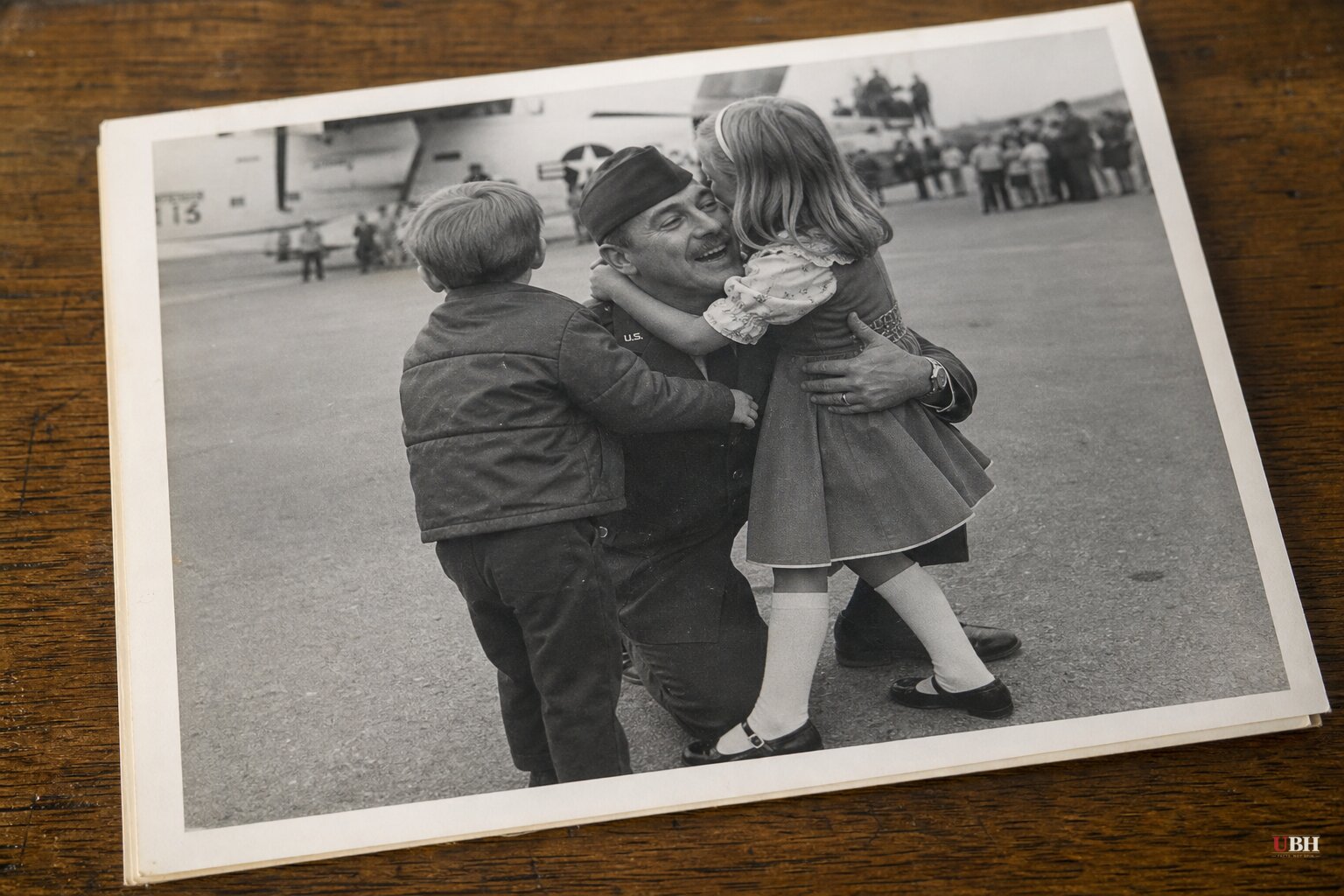
Sal Veder spent decades chasing news for the Associated Press. One photograph, taken in about a quarter of a second, is what he'll be remembered for.
Veder died in his sleep on Aug. 22 at his home in El Dorado County, California, according to the Associated Press. He was 99, just eight days short of his 100th birthday. His family confirmed his death.
In March 1973, Veder was 46 and working the AP's San Francisco bureau when he got sent to Travis Air Force Base to cover the return of American prisoners of war from Vietnam. He was one of dozens of photographers crammed into a press pen jockeying for position.
Then he saw it. Lt. Col. Robert L. Stirm had just stepped off the plane after five years in captivity. His four children broke into a dead sprint toward him.
"You could tell, even at a distance, what they were feeling," Veder told The Guardian in a 2015 interview. "It was all over them, their faces, the way they all broke into a run. There was a surge of emotion from the crowd, too."
Veder didn't have time to get precious about it. He set up a makeshift darkroom in a base bathroom and cranked out six images on deadline. One of them, "Burst of Joy," won the 1974 Pulitzer Prize for feature photography.
The composition is why it worked. Stirm has his back to the camera. You never see his face. That choice, whether by luck or instinct, turned one specific soldier into every soldier coming home.
Here's the part that matters: Stirm wasn't walking into a happy ending.
Hours before that photo was taken, a chaplain had handed him a "Dear John" letter from his wife, Loretta. She wanted a divorce. It was finalized within the year, according to the AP's reporting confirmed across multiple outlets covering Veder's death. Stirm died in 2024.
So the most famous image of joyful reunion from the Vietnam War era was taken on one of the worst days of the subject's life. Veder knew it. He talked about it openly in later interviews. A true photograph can still tell an incomplete story, and this one is the textbook example.
Slava J. Veder was born Aug. 30, 1926, in Berkeley, to Ivan and Anka Veder, Russian immigrants who anglicized their names to John and Ann when they settled in California. He was their only child.
Before photography, he worked as a sports writer and news editor at several publications. The Associated Press hired him as a staff photographer in 1961, first in Sacramento, later transferring to San Francisco, where he was based when he took the picture that would define his career.
His body of work went well beyond that one frame. Veder also photographed Ronald Reagan during his time as California governor, among many other assignments over a long AP career, according to the Chicago Tribune and Bangor Daily News.
Colleagues describe a mentor, not just a shooter chasing the next assignment.
"He was a newsman at heart, it wasn't just a career for him. It was really his passion," his daughter, Kathleen Daly, told KSAT 12. "The AP really was the home for him because they could appreciate what he had to offer."
Brad Mangin, a freelance sports photographer in the Bay Area, put it simpler: "He was the first Pulitzer Prize winner I ever met, like holy smokes. He was just the sweetest man."
Eric Risberg, a retired AP photographer who worked alongside Veder in San Francisco, credited him with pushing younger shooters to think past the frame. "He really, really emphasized the marriage between pictures and words," Risberg said. "He encouraged me to dive deeper, and get more into what's really the story?"
Friends said he loved ice skating and sailing, and that he made a habit of asking the people around him how their day was going, prize-winner or not.
"Burst of Joy" hangs in the National Portrait Gallery's collection and remains one of the most reproduced war photographs in American history. Veder's own account of how he got it, and what it actually meant for the man in it, is now part of the permanent record alongside the image itself.
Sources used for this briefing
8 links from 6 independent newsrooms (syndicated copies of the same report count once)
These are the sources it draws on, linked so you can verify.


