
Unbiased headlines. Facts, not spin.
Every story is an unbiased news briefing written from 110+ sources across the spectrum — sources linked so you can verify it yourself.
 politics
Notable (5/10)
July 21, 2026 at 05:11 PM
politics
Notable (5/10)
July 21, 2026 at 05:11 PM
SafeSport Will Start Publishing Names of People Banned From Olympic and Youth Sports
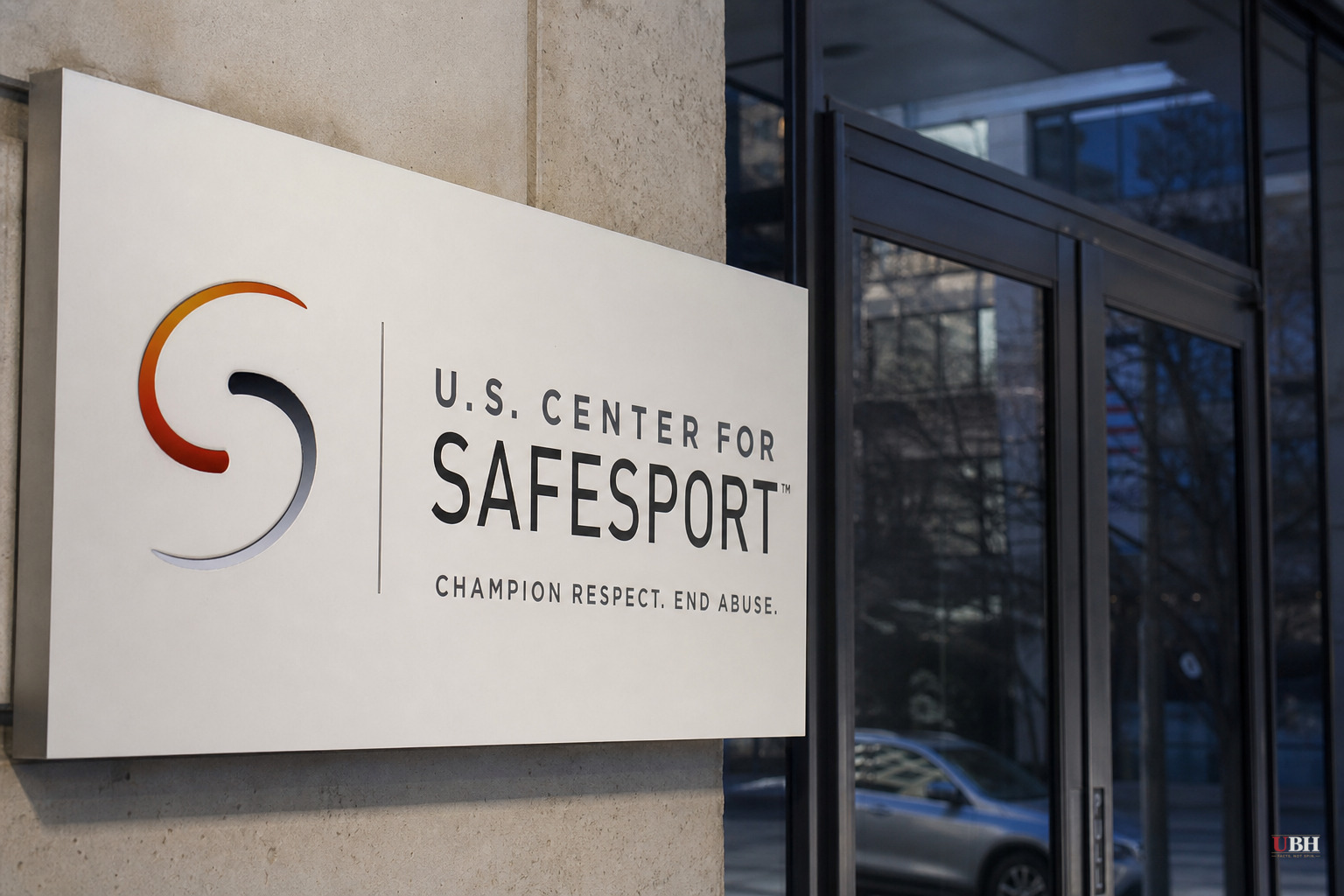
The U.S. Center for SafeSport is going to start publicizing the names of people who go on its banned list, according to AP News. Up to now, that information hasn't been easily accessible to the public, meaning parents, coaches, and athletes had no simple way to check whether someone had already been flagged and banned.
Making that list public is straightforward in concept: a coach or official banned from working in Olympic or youth sports shouldn't be able to quietly resurface somewhere else while the public has no way of knowing they were ever flagged.
What We Actually Know
The available reporting confirms the core fact — SafeSport will begin publicizing names of banned individuals. It does not detail the organization's founding date, the exact scope of sports or governing bodies it oversees, the specific process for how names will be added to the list, or what appeal rights banned individuals will have before their name goes public.
That's a meaningful gap. A banned-persons list is only as useful as the process behind it, and without more detail on how SafeSport determines who goes on the list, how violations of different severity are distinguished, or how quickly the list will be rolled out, it's hard to say how effective this change will be in practice.
Why Transparency Matters Here
Even with limited detail, the basic principle is sound: a public list means a banned coach or official can't simply move to a different gym, team, or youth program without anyone knowing they were previously flagged. Secrecy around banned individuals serves no one except those trying to avoid detection.
At the same time, a permanent public record attached to someone's name is a serious consequence. If the process for how someone lands on that list isn't clear or fair, publicizing names raises the stakes on getting it right. Parents and athletes have a right to know who's been banned. People accused also deserve a transparent, fair process before that kind of label becomes public.
What's Next
Parents and youth sports organizations now have a reason to look for SafeSport's public list once it's in place. Whether it functions as a real early-warning system depends on details that haven't yet been made clear — how the list is structured, how quickly it's implemented, and what safeguards exist around it. Based on what's confirmed so far, the shift itself is a step toward transparency. What that transparency actually looks like in practice remains to be seen.
Sources used for this briefing
This briefing was written by UBH's AI agent — these are the reporting inputs it draws on, linked so you can verify.


