
Unbiased headlines. Facts, not spin.
Unbiased Headlines is an independently owned news organization. We bring you the facts, not opinions, written fresh from 110+ named sources. Sources linked so you can verify it yourself.
 tech
Notable (5/10)
Sadiq Khan Calls for Cap on London Robotaxis as Government Prepares to Allow Driverless Cars
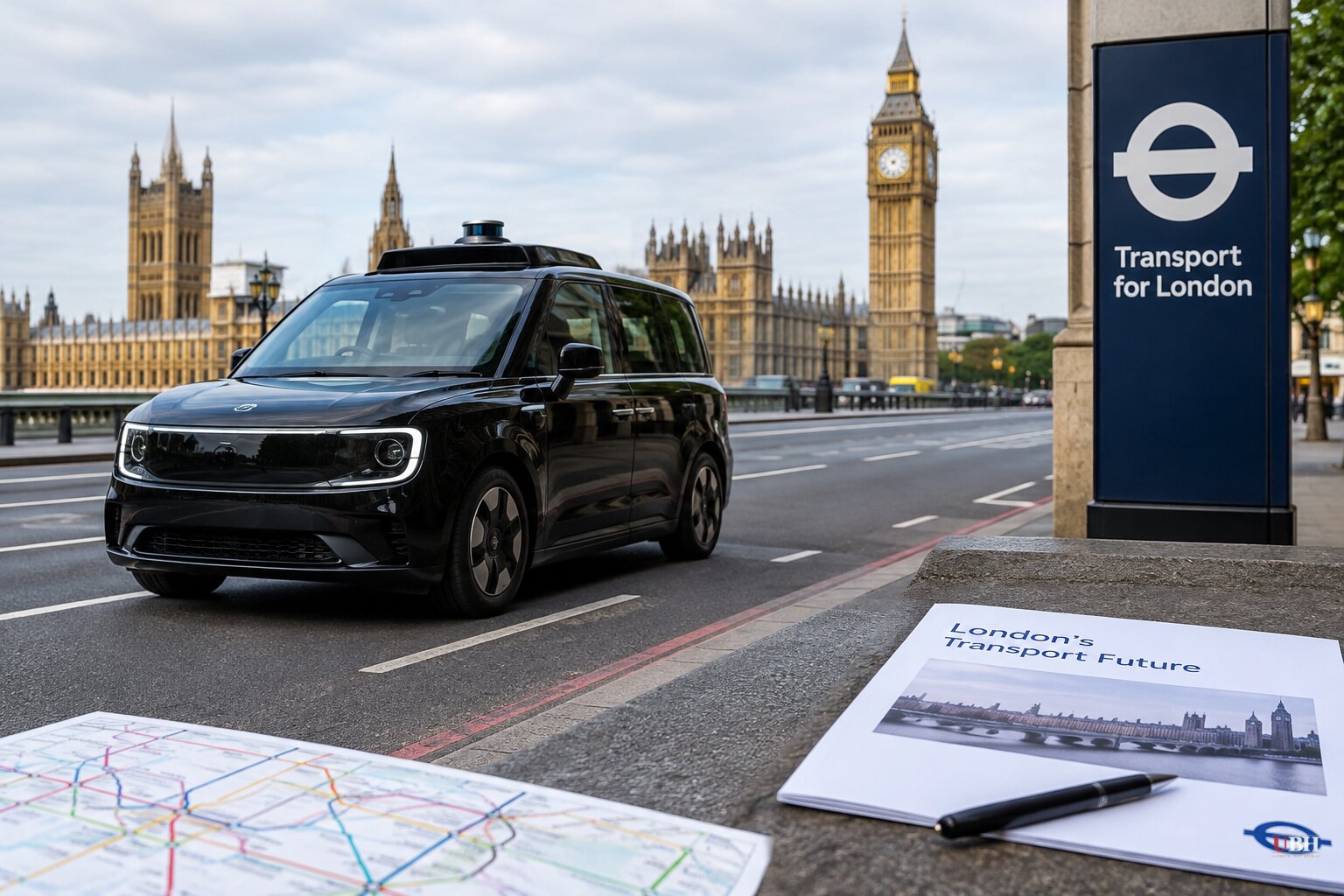
Since Uber began carrying passengers in Wayve self-driving cars in September under a Transport for London licence, the robotaxi push in the capital has moved quickly. Now the mayor wants the brakes on.
Sadiq Khan called on Sunday, Nov. 1, for a cap on the number of robotaxis on London's streets. He spoke as the UK government prepares to allow fully driverless vehicles to operate in the city.
What Khan said
"What we don't want is a situation where there's a big bang without proper regulation in place," Khan said. "We've got to make sure the regulation is fit for purpose before we have a mass rollout of things like automated vehicles."
He said politicians have not grasped how fast the technology is moving and argued for "incremental movement."
Khan listed the questions he says are unanswered: the effect on air quality, on congestion, and on people who make a living as private hire or black-cab drivers.
"London isn't San Francisco," he said. "We're a city of almost 10 million, 400 villages, narrow roads, and it's really important to get this right."
He also said City Hall is lobbying the government for more powers over automated vehicles. He noted that there is currently no cap on private hire vehicles or taxis either, and said City Hall has lobbied for those powers as well.
Khan did not say what number a cap should be, or how it would be set.
The rules as they stand
Under current regulations for fully autonomous vehicles, TfL can give or refuse consent for their use in London. It cannot manage or license robotaxi services.
The national licensing scheme sets the framework instead. That is the gap Khan wants closed.
Who is already in London
Freenow by Lyft, a rival to Uber, has unveiled Chinese robotaxis being tested in the capital. They are Baidu Apollo Go vehicles, and around 24 are reportedly running in the borough of Brent. The company hopes to launch fully driverless Baidu cars as early as next year under the national scheme.
Uber's September service uses Wayve's cars. A safety driver sits in the front seat.
Waymo, which operates robotaxis in San Francisco and other US cities, is also primarily focusing on London, along with the other companies.
The industry's response
Danny O'Gorman, Freenow by Lyft's UK and Ireland general manager, said the national framework was an important factor in the company's plans. He called it "great news for us to really invest in the market." On how services will be regulated once running, he said that is a matter still to be settled.
O'Gorman said the company is working with TfL. He pointed to roadworks and the need to obey traffic rules among drivers who do not always do so as testing challenges.
The company says it will set up a dedicated autonomous-vehicle service centre in the UK. It is considering employing some drivers the technology may displace.
Driver opposition
Drivers' unions have protested at the London headquarters of Wayve and Waymo in recent weeks. Many Uber drivers fear for their future.
Separately, a union representing London cabbies has urged Khan to pause deployment, according to an Oct. 31 briefing. That briefing says the union cited a City Hall report raising concerns on safety, congestion and who is accountable for a driverless service. The report's text and the union's name were not available to us, so those details remain unverified.
What a cap would mean
The two positions pull in opposite directions. Khan's view is that a dense city of almost 10 million people should control the pace of a technology that could reshape its roads and its labour market. Freenow by Lyft's view is that a national licensing framework is the reason to invest.
A cap would be a new restriction on a service that has barely launched. It would also arrive while the capital's existing taxi and minicab trades face no numerical limit, as Khan himself pointed out. How a limit on robotaxis would sit alongside that is something he has not explained.
The national regime and the mayor's wish list now point in different directions. The government has yet to say whether it will hand TfL the licensing powers Khan is requesting. Freenow by Lyft's earliest driverless launch is targeted for 2027, and the answer to that question will decide whether City Hall or Whitehall controls how many cars hit the road.
Sources used for this briefing
7 links from 6 independent newsrooms (syndicated copies of the same report count once)
These are the sources it draws on, linked so you can verify.


