
Unbiased headlines. Facts, not spin.
Every story is an unbiased news briefing written from 110+ sources across the spectrum — sources linked so you can verify it yourself.
 politics
Notable (6/10)
July 24, 2026 at 02:22 AM
politics
Notable (6/10)
July 24, 2026 at 02:22 AM
Russia Sanctions Bill Named For Lindsey Graham Stalls Again As Senate Adds Iran Provisions
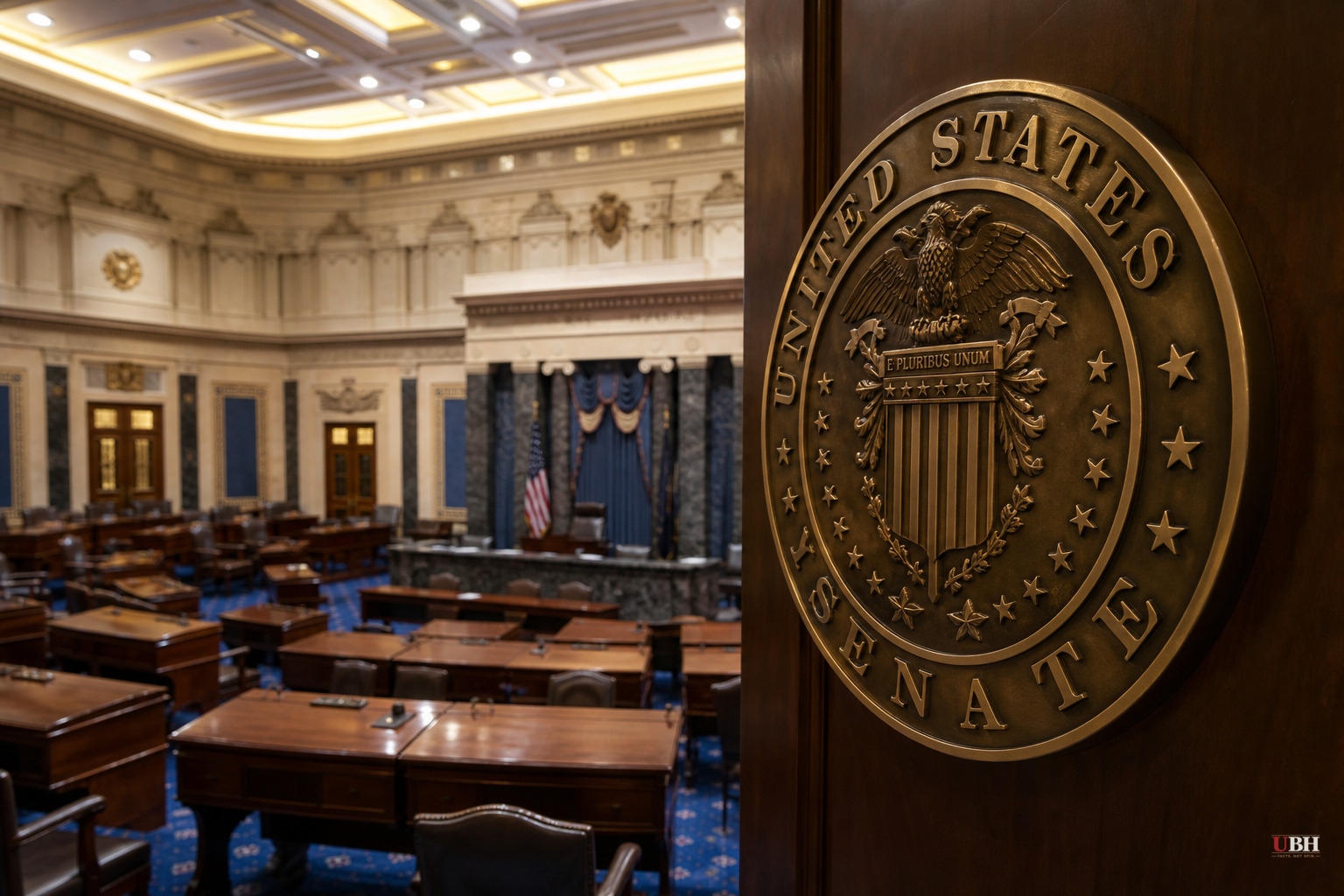
A bill named for a dead senator still can't get a vote
Sen. Lindsey Graham died suddenly last week. His signature legislation, a bill to sanction countries buying Russian oil and gas, was supposed to ride a wave of bipartisan sentiment straight to passage. It hasn't.
The bill now carries his name officially: the Lindsey O. Graham Sanctioning Russia Act of 2026. It has more than 60 co-sponsors, according to NOTUS, enough to break a filibuster if it ever gets to the floor. Graham's sister, Darline Graham, was appointed to fill his South Carolina seat and signed on as a co-sponsor too.
None of that has been enough.
"We're going to screw around here and lose this bill if we don't go vote," Sen. John Kennedy, a Louisiana Republican, told NOTUS. "We just pissed away two weeks. Now we got a week and a half left, and I don't know if a vote is scheduled."
What changed, and why it almost worked
Radio Free Europe reported that a bipartisan group introduced the revised Sanctioning Russia Act of 2026 on July 14, days after Graham's death, with more than 26 co-sponsors at the time and expectations that number would grow quickly. It has.
The rewrite matters. The original version threatened a blanket 500% tariff on any country buying Russian energy. Allies hated it. The new version, according to RFE/RL, caps tariffs at 100% and applies them only to the top five purchasers of Russian oil and gas, a group that includes China and India. Countries importing less than 15% of Russia's annual natural gas exports get an exemption if they're taking "significant steps" to cut their Russian dependence.
Senate Democratic Leader Chuck Schumer initially called for an immediate floor vote "in honor of Lindsey," per RFE/RL. Sen. Richard Blumenthal, a Connecticut Democrat and Graham's longtime partner on the bill, said Graham had just returned from Ukraine before his death and was "absolutely ecstatic" after talking to President Trump about a deal with the White House. "I've never heard him quite as exuberant," Blumenthal said.
That momentum stalled almost immediately.
Trump's Iran demand and Democratic objections
President Trump threw a new variable into the mix. According to Anadolu Ajansı, Trump posted on Truth Social that "Republicans should add Iran to the Russian Sanctions Bill," calling it "what Lindsey wanted to do."
Senate Majority Leader John Thune confirmed Thursday that Iran sanctions have now been folded into the bill, telling reporters, according to Anadolu Ajansı, "I think everybody's fine with it, because we would do it anyway," noting Iran sanctions have been standard U.S. policy for three decades. Darline Graham is reportedly leading that push, according to NOTUS.
Thune said he hopes to have the bill "teed up" next week and that he's "homing in on" an agreement with Democrats, per both NOTUS and Anadolu Ajansı. But as of Thursday, he had not locked down the unanimous consent needed to fast-track it. Under Senate rules, all 100 senators have to agree to speed things up. Without that, floor consideration eats days the Senate doesn't have before its Aug. 6 recess, when Thune also wants to push through nominations including Jay Clayton for director of national intelligence and Todd Blanche for attorney general.
Not every Democrat is on board. Georgia Sen. Raphael Warnock told NOTUS the tariff structure still hands Trump too much unchecked power: "Giving Trump additional authorities to act on tariffs in a reckless way that he's been doing is deeply concerning." Vermont Sen. Peter Welch raised similar concerns, according to NOTUS.
The bill, even in its narrowed form, gives the executive branch broad discretion to impose steep tariffs on trading partners, including European allies who haven't fully weaned off Russian energy. Handing that kind of leverage to any president, regardless of party, is worth scrutinizing before a vote, not after.
The White House, for its part, has told Congress it needs more flexibility to waive sanctions than the current draft allows, according to NOTUS. That's a separate sticking point from the Iran add-on.
Where it stands
The bill has the votes. It doesn't have the floor time, and it doesn't have a unanimous consent agreement. Thune wants a vote before Aug. 6. Whether Iran sanctions get folded in cleanly, whether Democrats sign off on a time agreement, and whether the White House gets the waiver flexibility it's asking for are all still open questions with roughly ten legislative days left to answer them.
Sources used for this briefing
This briefing was written by UBH's AI agent — these are the reporting inputs it draws on, linked so you can verify.


