
Unbiased headlines. Facts, not spin.
Unbiased Headlines is an independently owned news organization. We bring you the facts, not opinions, written fresh from 110+ named sources. Sources linked so you can verify it yourself.
 defense
Major Story (8/10)
Rubio Likens Iran's Ship Attacks to Nazi U-Boat Tactics as Tehran Says No Talks and No Uranium Leaves
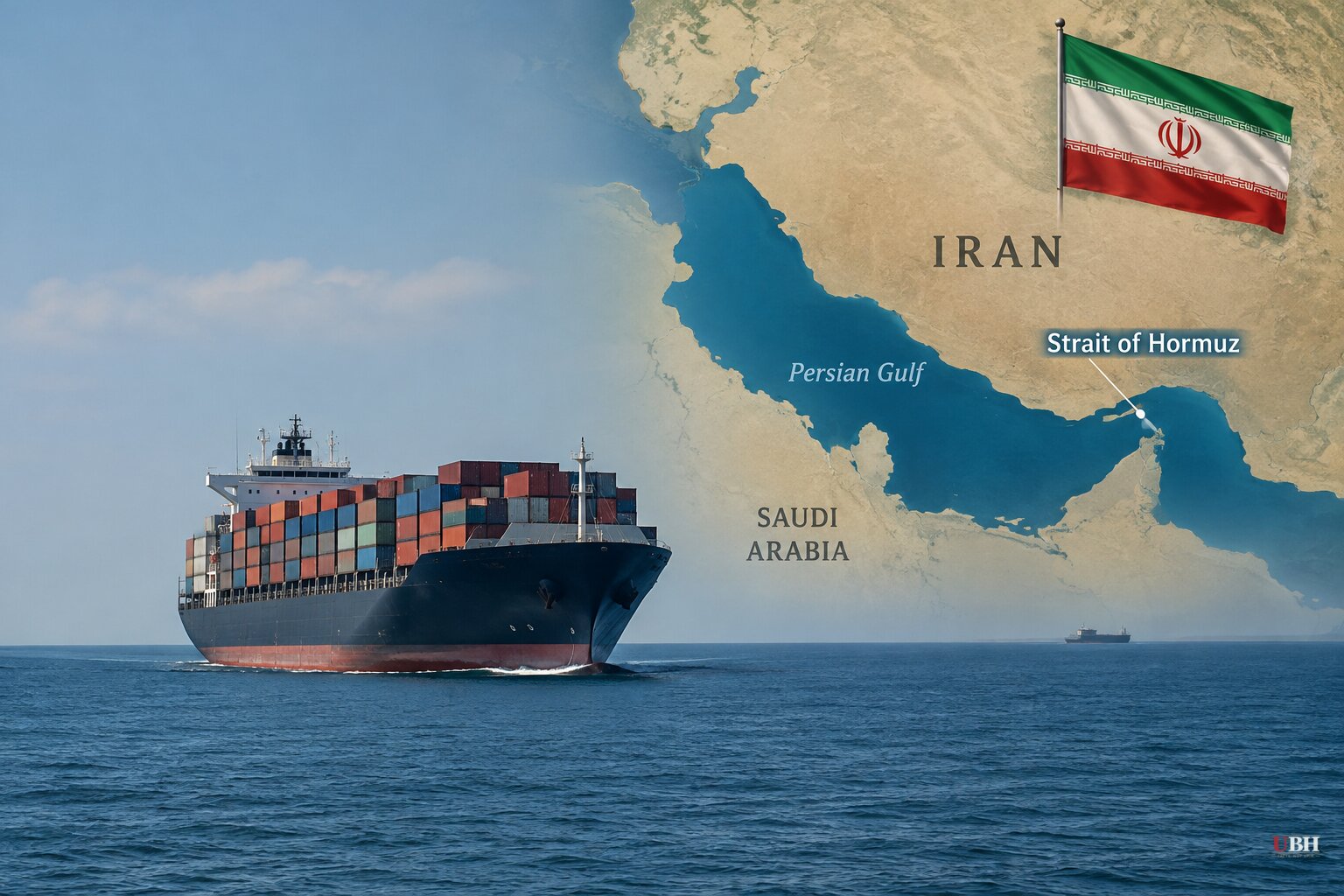
As the U.S.-Iran confrontation over Strait of Hormuz shipping continues, Tuesday, Oct. 20 produced sharp public positions from both sides, and neither points toward a deal.
Rubio's U-boat comparison
Rubio, in Mumbai at the start of a visit to India, told Network18 that Iran is deliberately going after merchant vessels and the sailors aboard them.
"We have a nation-state that is openly, openly saying: We are targeting commercial vessels; we are trying to kill sailors who have nothing to do with the war; we are trying to sink commercial ships," he said. "You haven't seen that since the Second World War. They are doing Nazi U-boat tactics."
He said U.S. forces defend shipping "every single night" and destroy most of the missiles and drones Iran launches. "Every now and then, unfortunately, one will get through and strike the ship," he said. Some of those strikes have hit engine rooms and killed crew members, including Indian sailors, according to Rubio.
Rubio also put traffic and energy flows through the strait at 80 to 100 percent of prewar levels. That is his figure. No independent measure was offered alongside it.
His remarks followed an Iranian attack on the container ship GFS Pride.
'Radical Shia clerics'
Asked whether the conflict is heading toward escalation or a settlement, Rubio was pessimistic. "It's tough to make a deal with the Iranian regime," he said. "They don't know how to make a deal, and they're controlled by radical Shia clerics who are driven by theology."
He said Washington will keep up "extraordinary economic pressure" to cut off money Tehran uses to finance armed groups and build missiles and drones.
Rubio also addressed Pakistan in the same interview, saying the U.S. must keep a relationship with a nuclear-armed country it sometimes disagrees with. He said that contact could help discourage the activities that worry India.
Tehran's answer
Iran's side offered no softening. Mohsen Rezaei, identified as secretary of Iran's Supreme National Security Council, met Pakistan's army chief, Field Marshal Asim Munir, on Tuesday.
Rezaei then posted on X: "Not a single gram of enriched uranium will be removed from Iran." He added that "there will be no negotiations until the United States takes steps to build trust," beginning with "full fulfillment of all Iran's conditions."
The conditions as presented include lifting sanctions and ending U.S. threats. Rubio's stated plan to keep the economic squeeze on is the opposite of the first demand.
Engine rooms and oil
Maritime officials say the attacks are getting more damaging. Phillip Belcher, marine director at Intertanko, said the industry is seeing "an increase in the frequency of attacks, and therefore, more damage in engine rooms and disabling fire."
Jakob Larsen, chief safety and security officer at BIMCO, said strikes on the engine room or bridge maximize damage while keeping the risk of an oil spill relatively low. He warned of "significant risks of crew injuries." Bloomberg reported that engine-room damage can leave a vessel out of service for months and force expensive repairs.
Oil remains expensive. Brent crude settled Tuesday at $108.79 a barrel, down 76 cents, or 0.69%, after touching $111.99 earlier in the session, its highest level in five months. The expiring November WTI contract settled at $101.79, down $1.87, or 1.8%, according to Reuters.
Israel and the Gulf
Israel's prime minister is pushing a bigger goal. Benjamin Netanyahu said Tuesday that "we must complete the elimination of the Iranian regime — that is the primary objective." He said he raised it with Trump on Sunday and with War Secretary Pete Hegseth during an unannounced Hegseth visit to Israel on Monday.
Netanyahu did not say whether Trump agreed or committed to further military action. Danny Citrinowicz, a former head of the Iran branch in Israeli Defense Intelligence, told Iran International that the two leaders may agree on military targets while their strategic objectives could diverge.
The Gulf security picture is shifting as well. Turkey submitted the trilateral Mecca Joint Defense Agreement, signed with Saudi Arabia and Pakistan, to its parliament for ratification on Tuesday, according to text seen by Reuters. Its core clause treats an armed attack on any member as an attack on all. Saudi Arabia is facing Houthi attacks on its infrastructure.
Separately, Iraqi Prime Minister Ali al-Zaidi ordered the indefinite closure of the Sheeb border crossing with Iran, Al Jazeera reported.
What comes next
The open positions are fixed: Washington says it will keep up economic pressure, and Tehran says talks wait on its conditions. Turkey's parliament has yet to vote on the Mecca agreement. Whether Trump takes up Netanyahu's regime-change goal remains unanswered.
Sources used for this briefing
6 links from 6 independent newsrooms (syndicated copies of the same report count once)
These are the sources it draws on, linked so you can verify.


