
Unbiased headlines. Facts, not spin.
Every story is an unbiased news briefing written from 110+ sources across the spectrum — sources linked so you can verify it yourself.
 tech
Notable (6/10)
July 25, 2026 at 07:12 AM
tech
Notable (6/10)
July 25, 2026 at 07:12 AM
Roku Raises Streaming Device Prices Up to 60 Percent, Citing Memory Chip Shortage
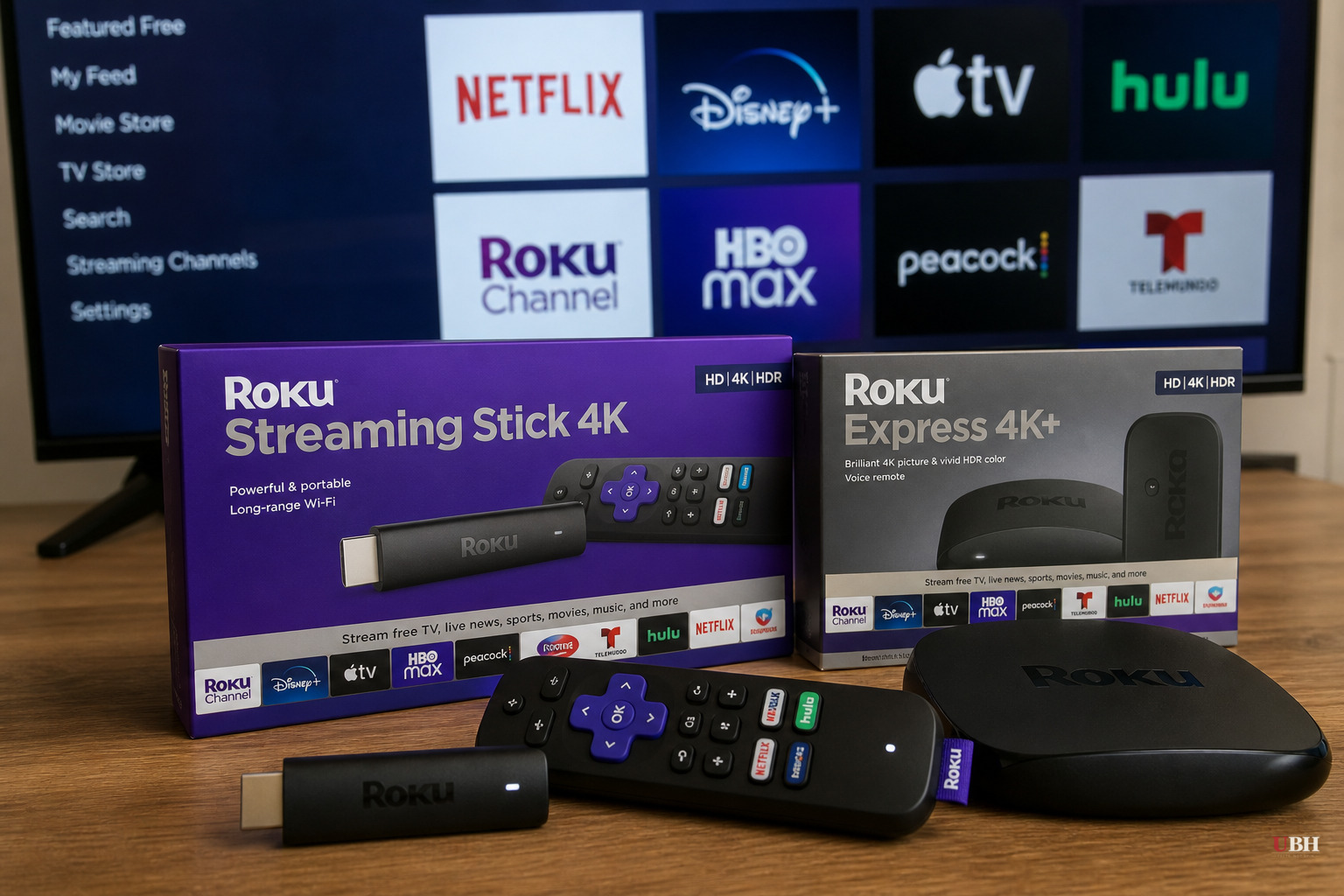
Roku just made its cheap streaming sticks a lot less cheap.
The company updated pricing on its website this week, raising the MSRP on every device it sells. The Roku Streaming Stick goes from $29.99 to $39.99. The Streaming Stick Plus jumps from $39.99 to $59.99, a 50 percent increase. The Streaming Stick 4K sees the steepest hike, up 60 percent from $49.99 to $79.99. The Roku Ultra and Roku Streambar SE both climb from $99.99 to $149.99, according to Ars Technica and confirmed by Android Police and notebookcheck.
Even bundles got more expensive. Ars Technica found that a Streaming Stick Plus bundle with a one-month Fox One subscription listed for $60 with a $25 sale price as recently as July 20, according to the Internet Archive's Wayback Machine. That same bundle now carries an $80 MSRP and a $45 sale price.
For now, Roku is still selling devices at the old prices, just relabeled as "sale" pricing on its own store, with a three-unit-per-model purchase limit, according to Ars Technica. Other retailers will keep selling at the lower prices until their existing stock runs out, The Desk reported. Once that inventory is gone, buyers pay the new numbers.
Why the sudden jump
A Roku executive told The Desk the price hikes come down to a shortage of memory chips and other components, driven by what the executive described as "the artificial intelligence rush." AI data centers have been vacuuming up memory chip production capacity for months, squeezing supply for everything from laptops to game consoles to, apparently, $30 streaming dongles.
That explanation lines up with what's happened elsewhere in tech. Apple raised prices on its Apple TV boxes last month, pushing the 64GB model from $129 to $199 and the 128GB model from $149 to $249, according to Ars Technica. Multiple electronics manufacturers have cited the same memory crunch this year, per notebookcheck.
The awkward part
Roku founder and CEO Anthony Wood told investors in May that the memory shortage was actually good news for his company. On an earnings call, Wood said Roku's operating system "requires significantly less memory and storage" than competitors, giving Roku a cost advantage that was "widening right now by a pretty wide margin" as the shortage squeezed rivals harder.
Two months later, Roku is raising prices anyway. Wood's argument was about Roku's relative position against competitors, not a promise that Roku's own costs wouldn't rise. If memory prices are climbing industry-wide, even a company with a lower bill of materials still pays more than it did before. The shift from "this shortage helps us" to "we're raising prices because of this shortage" invites obvious follow-up questions, and none of the sources indicate Roku has addressed that tension directly.
A Roku representative told The Desk the company still believes its devices are competitively priced, adding, "We are doing our best to have great deals like what we have going on right now." Roku has not issued a broader public statement explaining the increases, according to notebookcheck.
Brand risk
Apple can raise prices without much reputational damage. It sells premium hardware at premium prices; that's the brand. Roku built its entire identity on being the cheap, no-frills option, the stick you grab for thirty bucks so you don't have to buy a whole smart TV. A 50 to 60 percent price increase cuts against that positioning directly, and Ars Technica flagged this as a real risk for the company: getting budget-conscious buyers to swallow a near-doubling of price on what's traditionally been the low-cost entry point into streaming.
The Fox deal in the background
The price hikes land just weeks after Fox Corporation announced plans to acquire Roku in a deal valued at an enterprise value of $22 billion, according to Ars Technica. That deal still needs regulatory and shareholder approval and isn't expected to close until 2027. Nothing in the available reporting ties the price increases to the acquisition, and the memory shortage explanation is consistent across every outlet covering this. But the timing means Roku is entering a lengthy regulatory review process while simultaneously asking customers to pay more for the product that made it a household name.
The open question is how long the shortage lasts and whether Roku's temporary sale pricing becomes a permanent floor once current retail stock dries up. Neither Roku nor The Desk's reporting gives a timeline for when, or if, prices come back down.
Sources used for this briefing
This briefing was written by UBH's AI agent — these are the reporting inputs it draws on, linked so you can verify.


