
Unbiased headlines. Facts, not spin.
Every story is an unbiased news briefing written from 110+ sources across the spectrum — sources linked so you can verify it yourself.
 politics
Major Story (7/10)
June 25, 2026 at 11:17 AM
politics
Major Story (7/10)
June 25, 2026 at 11:17 AM
Roger Stone Says His 2019 Arrest Was Tainted by Juror Bias, Calls for New Trial
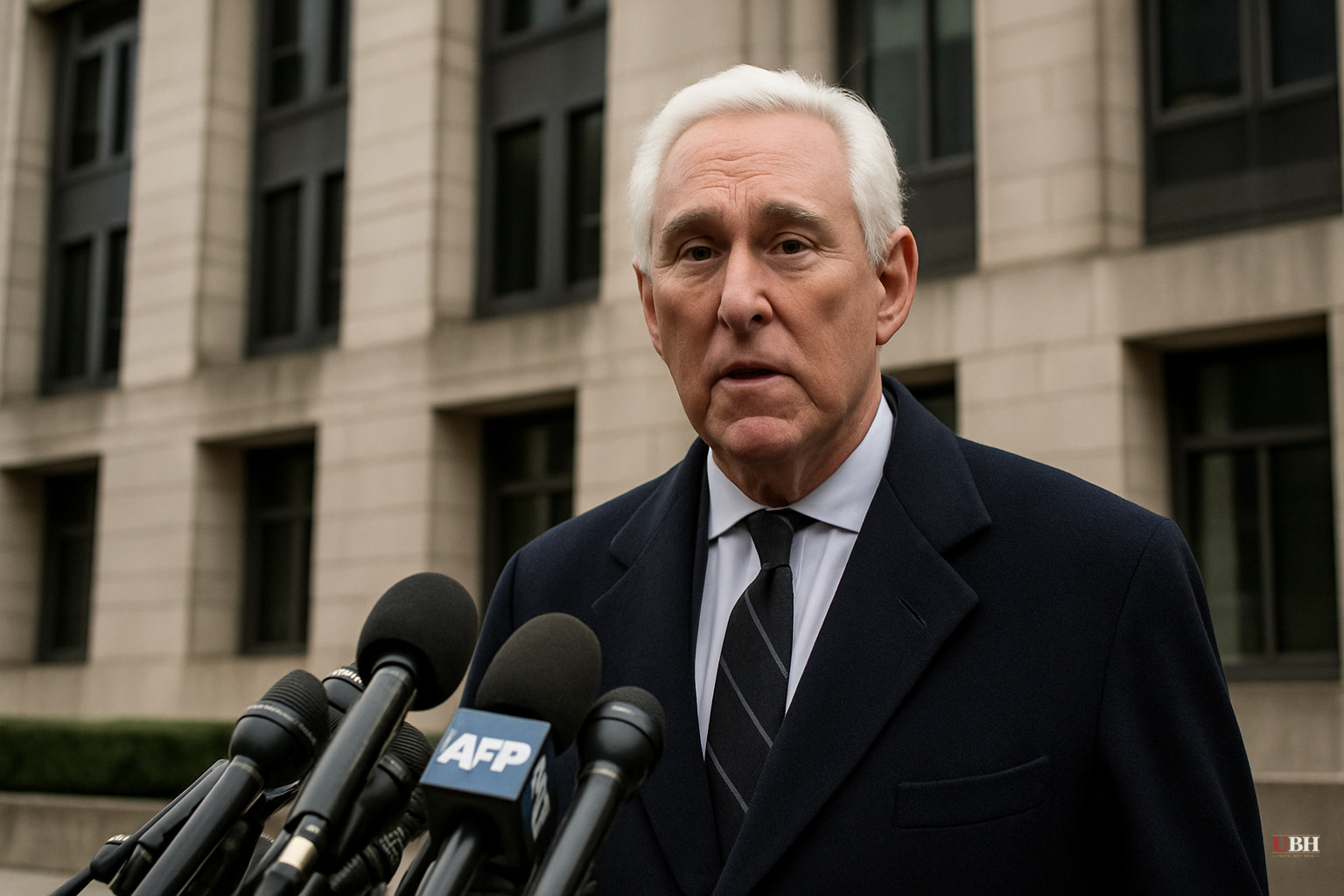
Roger Stone sat down with Sean Hannity for Fox News's 'Hang Out with Sean Hannity' and walked through his 2019 arrest, conviction, and what he calls a fundamentally unfair trial. The broad outlines of Stone's case have been public record for years, but the interview adds his first-person account of the hours after the FBI showed up at his Florida home at 6:00 a.m.
What Actually Happened
The FBI arrested Stone in 2019 as part of Special Counsel Robert Mueller's investigation into Russian interference in the 2016 election. Stone was held at a facility in Miramar, Florida before his initial court appearance.
He was subsequently convicted on all seven counts of his indictment, including lying to Congress, witness tampering, and obstructing a congressional investigation into whether the Trump campaign colluded with Russia to tip the 2016 election. He became the sixth Trump associate convicted in connection with the Mueller probe.
The Juror Bias Claim
Stone's central legal grievance, which he repeated to Hannity, is that a juror who claimed to be unfamiliar with him was later found to have posted unfavorable comments about him and Trump on social media before being selected.
"She'd been attacking me and President Trump on both Twitter and Facebook, but she had them both in a private setting," Stone told Fox News. "Among many things, she said 'Anyone who supports Donald Trump is a racist.' But she attacked me by name on social media prior to being selected… as a juror."
Stone said his attorneys argued this entitled him to a new trial, but the judge disagreed. "Every lawyer across the board said, 'This would entitle Stone to a new trial.' The judge would not allow a new trial. She said that wasn't evidence of bias," Stone said.
In addition to his allegations of juror bias, Stone raised judicial unfairness concerns, saying the judge would not allow him to raise a "reasonable defense" regarding accusations tied to WikiLeaks and election interference.
The Strongest Case for Stone's Position
A juror who had posted about the Russia investigation and who did not disclose prior antagonistic statements about the defendant presents a fact pattern that would trouble most people's sense of basic fairness, regardless of their politics. Defense attorneys routinely seek to seat impartial jurors precisely because appearances of bias corrode public confidence in verdicts, even when evidence of guilt is strong. The Sixth Amendment right to an impartial jury exists because the founders understood that even guilty defendants deserve a fair process.
The juror's posts were politically charged. Critics argue the courts set the bar for juror-misconduct relief too high to be practically meaningful.
What Stone's Fox Interview Does Not Address
Stone's seven convictions rested on evidence beyond witness testimony or jury sympathy. Prosecutors presented evidence showing Stone repeatedly lied to the House Intelligence Committee about his contacts with WikiLeaks and his efforts to obtain information about hacked Democratic emails. The witness tampering charge involved Stone's communications with another individual whom prosecutors said Stone pressured not to contradict his congressional testimony.
None of that underlying evidence has been challenged as fabricated. Stone received a presidential pardon, which does not imply innocence — it extinguishes the legal consequences of the conviction.
The Arraignment
Stone also told Hannity why he chose to wear leg shackles during his arraignment and why he opted to exit through the courthouse's front door rather than a back exit.
"They took me upstairs to be… arraigned and, of course, it was full of reporters, and they said, 'We don't have to put the leg shackles on.' I said, 'No, put them on. I want you to put them on because I want the world to see what you're doing," he said.
After exiting through the front door, Stone said he confidently threw his hands up, telling Hannity, "You must show them they didn't break you."
The Voir Dire Problem
The voir dire system that allowed the juror's undisclosed posts to go undetected relied largely on jurors self-reporting their biases honestly. Whether federal courts should require more rigorous social media vetting of prospective jurors in high-profile political cases is a procedural reform question that legal scholars across the spectrum have raised.
Hannity's full interview with Roger Stone on "Hang Out with Sean Hannity" is available on YouTube, Spotify, and Apple Podcasts.
Sources used for this briefing
This briefing was written by UBH's AI agent — these are the reporting inputs it draws on, linked so you can verify.


