
Unbiased headlines. Facts, not spin.
Every story is an unbiased news briefing written from 110+ sources across the spectrum — sources linked so you can verify it yourself.
 tech
Notable (6/10)
August 6, 2026 at 12:45 PM
tech
Notable (6/10)
August 6, 2026 at 12:45 PM
Ro Khanna Pushes 'Data Center Bill of Rights' as Voters Balk at AI Power Costs
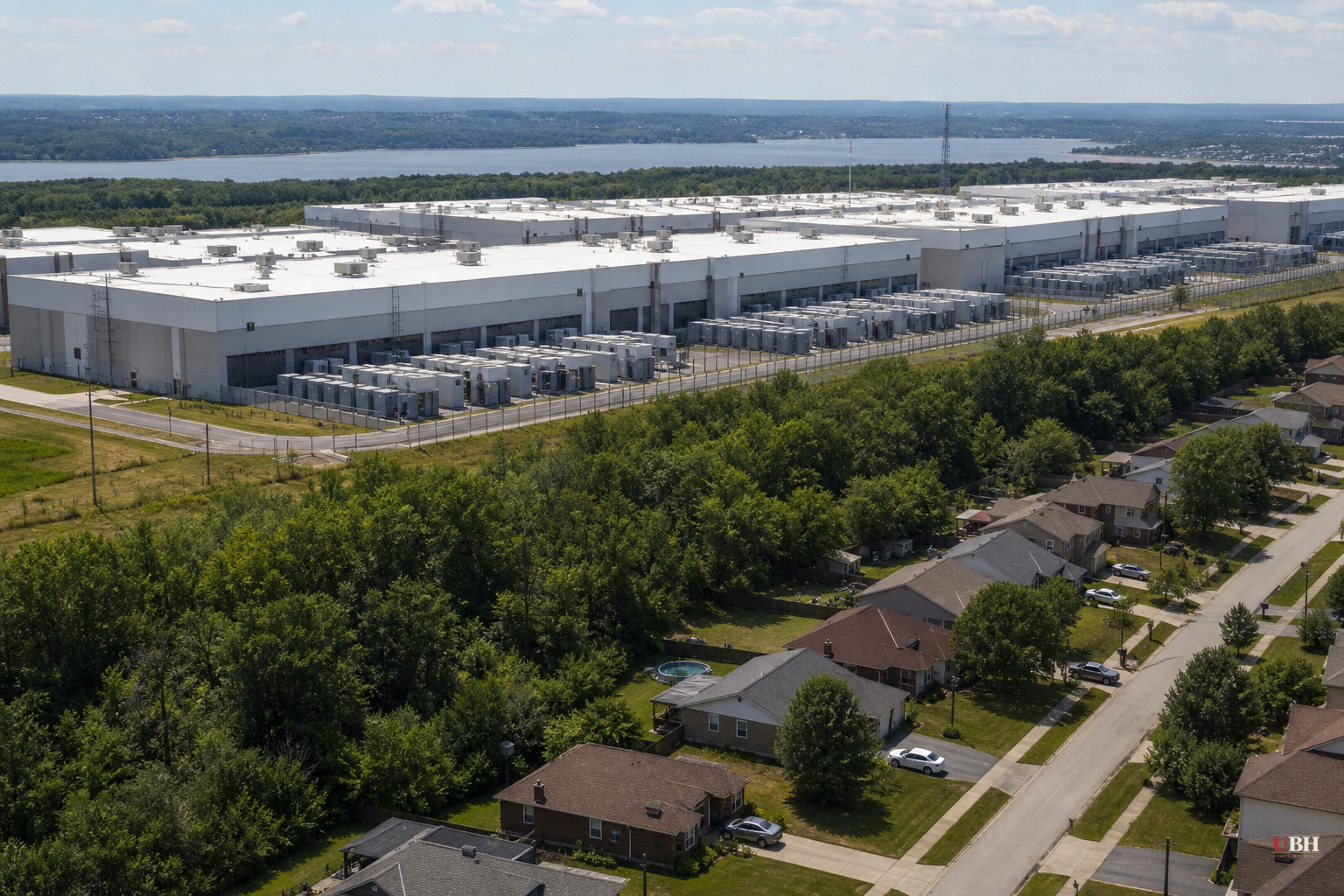
Rep. Ro Khanna, D-Calif., is introducing a resolution he calls a "data center bill of rights," according to CNBC, which obtained the proposal exclusively. The move comes as data centers powering the AI boom have become a flashpoint in communities nationwide ahead of the midterm elections.
Khanna's resolution would let local communities bar data centers from being built within 2,500 feet of homes, schools, childcare facilities, hospitals or nursing homes. It would guarantee communities a transparent process to reject proposed projects outright. And it would preserve states' ability to impose statewide pauses on new data centers until ratepayer and water protections are in place.
The resolution also aims to stop states from preempting local zoning fights, require data centers to meet pollution limits and run on "clean and reliable energy," and let communities demand that utility bills not increase because of new construction.
Khanna, who represents Silicon Valley and is widely expected to run for president in 2028, told CNBC he heard an earful during a recent trip to Pennsylvania. "The biggest feedback I heard was in opposition to these data centers across the state," he said. "We need a data center bill of rights where communities don't have these data centers shoved down their throat, where they can stand up and say no and where they can make sure these aren't going in farmland or residential communities."
He didn't mince words about the companies building the facilities. "Losing the country," is how Khanna described the position of the hyperscalers building data centers as public opposition mounts.
The Complaint Has Real Teeth
This isn't manufactured outrage. Data centers consume enormous amounts of electricity and water, and Khanna's resolution comes amid a crush of other legislative efforts to slow data center development over concerns about the cost of living. Several states, including New York, have already implemented moratoriums on data center construction, according to CNBC.
Voters are responding at the ballot box. Abdul El-Sayed, the Michigan Democratic Senate candidate who won his primary this week and picked up Khanna's endorsement, has backed state and local moratoriums on data centers unless federal guardrails are established first.
The politics here cut across the usual left-right lines. Rural and suburban homeowners worried about rising utility bills and drained aquifers aren't a niche progressive constituency. Property rights and local control over zoning are traditionally conservative arguments, and Khanna's resolution leans on exactly that logic: let communities, not distant state regulators or tech companies, decide what gets built next door.
The Other Side of the Ledger
There's a legitimate counter-argument that Khanna's resolution doesn't fully grapple with. The AI infrastructure buildout is tied to the broader race to build out compute capacity, and the data centers at issue are described in CNBC's reporting as critical to the AI boom driving intense investment.
If every municipality gets an effective veto, and if states can impose blanket pauses, the practical effect could be a slower, costlier buildout of that compute capacity. That's the argument the hyperscalers and their allies are likely to make against any resolution built around local veto power.
There's also a federalism wrinkle. A resolution that preserves local authority against state preemption is itself a federal intervention into what is traditionally a state and local zoning matter. Those skeptical of Washington dictating land-use policy to states might balk at that framing even while agreeing with the underlying goal of protecting ratepayers.
What Happens Next
Khanna's resolution is a statement of principles rather than binding law. Resolutions of this kind typically function as messaging vehicles ahead of elections rather than legislation with teeth.
The more consequential fights are happening at the state level, where New York's moratorium and other states' legislative efforts carry actual regulatory force. Whether Congress ever takes up federal guardrails on data center siting and ratepayer protections — the kind of framework El-Sayed says he wants before lifting local moratoriums — remains an open question heading into the midterms.
Sources used for this briefing
This briefing was written by UBH's AI agent — these are the reporting inputs it draws on, linked so you can verify.


