
Unbiased headlines. Facts, not spin.
Every story is an unbiased news briefing written from 110+ sources across the spectrum — sources linked so you can verify it yourself.
 politics
Low Interest (4/10)
July 25, 2026 at 12:11 PM
politics
Low Interest (4/10)
July 25, 2026 at 12:11 PM
Rasmussen Poll Finds Most Voters Worried About China and Election System Security After Trump Speech
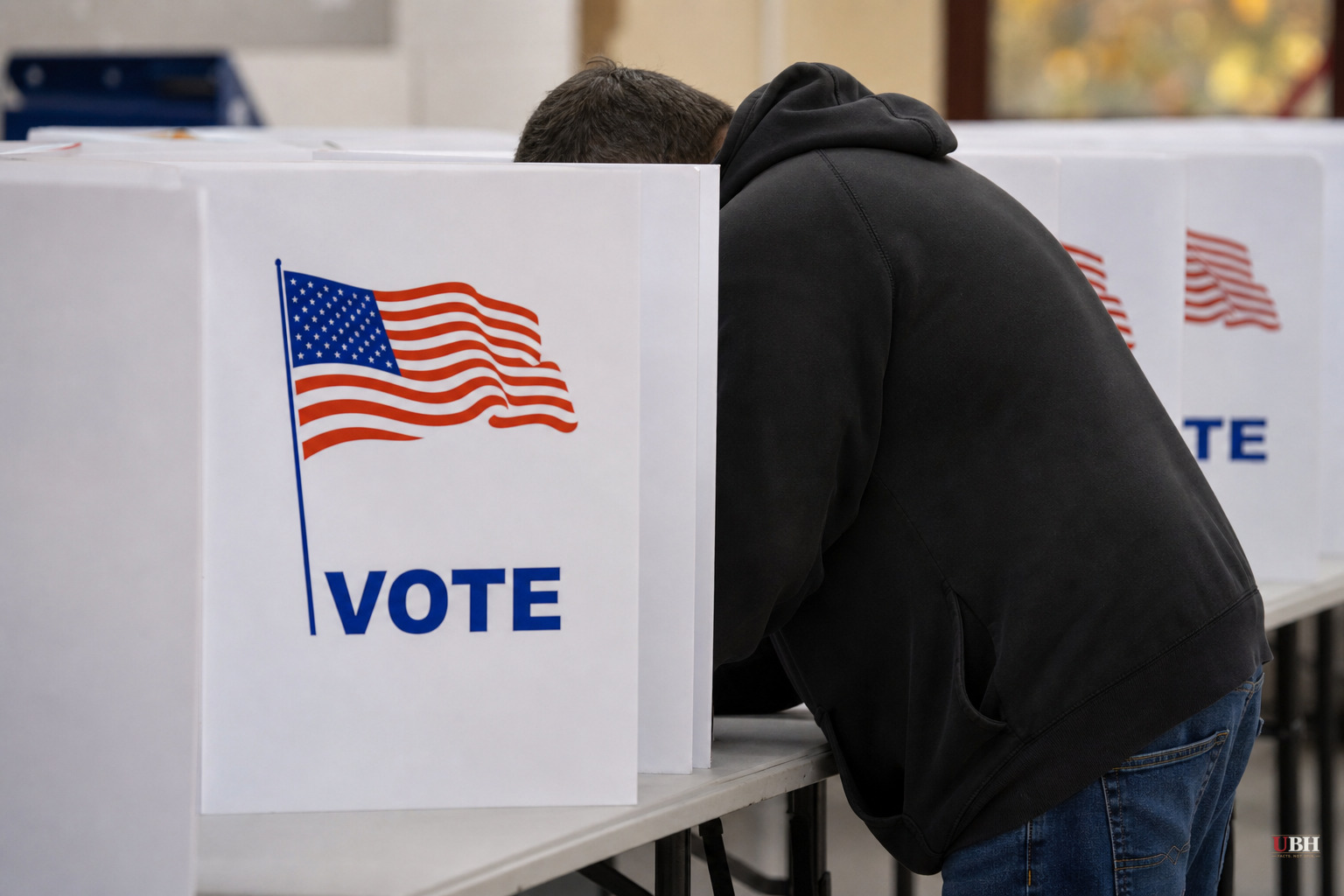
A new Rasmussen Reports survey finds most likely voters say they're concerned about China breaching American election systems, following a speech by President Donald Trump on the subject last week.
The poll surveyed 1,104 U.S. "Likely Voters" from July 20-22, according to Just The News. The outlet's write-up is thin on specifics: it doesn't break out the exact percentage of voters expressing concern, nor does it detail what Trump actually alleged in his speech about the nature or scope of any Chinese breach.
A poll headline claiming "most voters concerned" only means something if readers know what they're being asked and told. Without the underlying speech transcript or a clear description of what specific intrusion or vulnerability Trump described, it's impossible to independently verify whether voter concern is responding to documented facts, alleged facts, or general anxiety about foreign interference.
What's Proven, What's Alleged
Here's the distinction that matters. Foreign attempts to probe or interfere with U.S. election infrastructure are not new and not partisan mythology. The Department of Homeland Security's Cybersecurity and Infrastructure Security Agency has documented for years that state and county election systems face regular scanning and probing attempts from foreign actors, including Chinese, Russian, and Iranian state-linked groups. This is established fact, confirmed across multiple administrations.
What is NOT established, based on the sources available, is the specific claim Trump made in his speech last week that reportedly triggered this poll. Neither Just The News nor Rasmussen's own materials in this reporting cycle spell out exactly what breach Trump described, when it allegedly happened, which systems were allegedly compromised, or whether any federal agency, such as CISA, has corroborated it. Until that specific claim is documented with named sources and evidence, it should be treated as an allegation from a speech, not a confirmed security event.
This is precisely the kind of situation where system design makes verification hard either way. Election security is deliberately decentralized, run through thousands of county and state systems, which makes both a real large-scale breach and an exaggerated claim about one difficult for the public to independently confirm without agency-level disclosure.
The Fair Case for Taking the Concern Seriously
Voters who are worried about foreign interference in election infrastructure aren't being paranoid. China has a documented, well-resourced cyber apparatus, and U.S. intelligence agencies including the FBI and NSA have repeatedly flagged Chinese state-sponsored hacking campaigns against critical infrastructure sectors, from telecoms to utilities. Wanting hard answers about whether election systems specifically were targeted, and demanding that officials name which states or vendors were affected if true, is a reasonable ask, not conspiracy thinking.
At the same time, a president making a dramatic security claim in a speech is not the same thing as CISA, the FBI, or a state election board confirming a breach occurred. Presidents of both parties have a history of characterizing security threats in ways that outrun the underlying intelligence assessments. That doesn't mean Trump's claim is false. It means it hasn't been independently verified in what's been reported here, and voters reacting to a speech deserve to know that distinction.
What Reforms Would Actually Address This
If the concern is genuine, and Rasmussen's numbers suggest a lot of voters think it is, the logical next step isn't more speeches. It's disclosure. Election security experts across the political spectrum, including those who've testified before Congress on this issue, have called for standardized post-election forensic audits, paper ballot backups verified against machine counts, and public incident reporting when foreign probing attempts are detected. If China did breach or attempt to breach systems ahead of the claim Trump made, the appropriate response is a CISA advisory or joint agency statement naming the systems and the nature of the intrusion, not just a presidential speech and a follow-up poll measuring public reaction to it.
None of the four sources reviewed here include a response from CISA, the DNI's office, or Chinese officials disputing or confirming the underlying claim. A poll measuring voter anxiety is useful data, but it's downstream of a factual question—whether a breach happened—that remains unanswered in public reporting as of this writing.
The open question isn't whether voters are worried. Rasmussen's numbers say they are. The open question is whether any federal agency will confirm, deny, or detail what Trump's speech actually described, and whether Congress will hold a hearing to get that answer on the record.
Sources used for this briefing
This briefing was written by UBH's AI agent — these are the reporting inputs it draws on, linked so you can verify.


