
Unbiased headlines. Facts, not spin.
Unbiased Headlines is an independently owned news organization. We bring you the facts, not opinions, written fresh from 110+ named sources. Sources linked so you can verify it yourself.
 defense
Major Story (7/10)
Poland's Sikorski Warns Western Europe Not to Negotiate With Russia Over Eastern Europe's Head
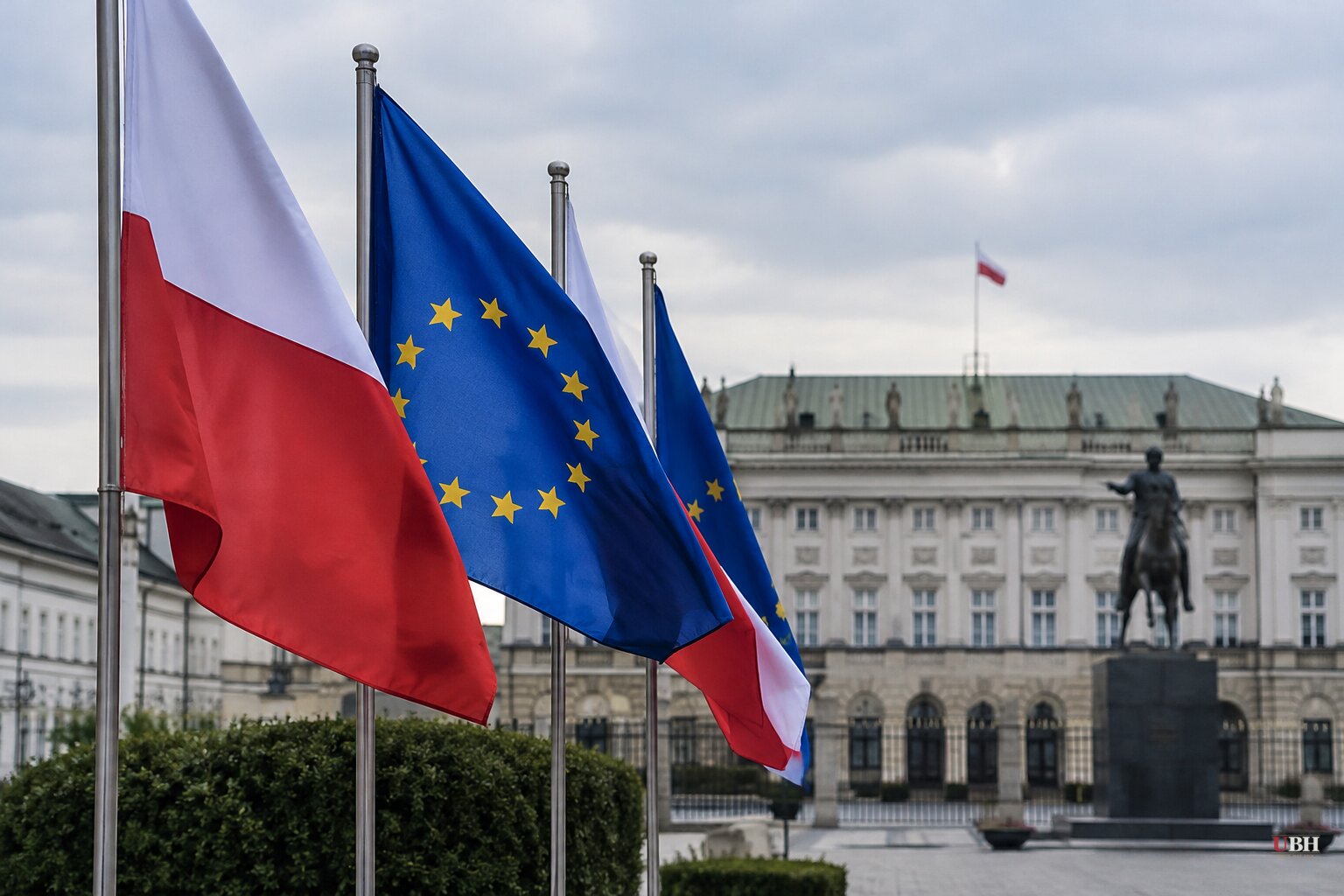
Poland wants a seat at the table before anyone cuts a deal with Moscow.
"The last thing we want is Western Europe dealing with Russia, over the heads of the east Europeans," Foreign Minister Radosław Sikorski told journalists in Warsaw on Thursday, Nov. 5.
He laid out the geography. "You cannot leave Eastern Europe and Scandinavia out of the conversation. We are about 120 million people. Finland borders Russia; Norway borders Russia; the Baltics border Russia; and Poland borders Russia and Ukraine."
Tusk: Putin has little reason to rush
Prime Minister Donald Tusk told the same group that European leaders should be "very careful" about Vladimir Putin's "real intentions" and "realistic" about the US-led diplomatic process.
"In winter, Putin might have fewer incentives to get a deal," Tusk said. Russia has been hitting Ukraine's energy infrastructure with airstrikes, a campaign aimed at maximizing hardship in the colder months.
Officials in Warsaw expect little to come of the American-led talks unless Putin shows real willingness to end the war.
Gas is the sticking point
Washington has floated economic incentives for Moscow as a way to get a settlement. European allies are not happy about it.
One idea under discussion is restarting Russian gas supplies to Europe. Polish Energy Minister Miłosz Motyka called the plan absurd. He argued it would leave European states exposed to Russian energy pressure again and would cut against U.S. economic interests and strain transatlantic relations.
"If someone deceives themselves into thinking that they can gain time by buying Russian gas, this is a very short-sighted and very expensive game," Motyka said.
He also criticized European political parties that want to restore Russian energy ties.
The Kaliningrad border operation
The warnings from Warsaw come with a security operation on the ground. Earlier this week Poland launched a large-scale deployment along its border with Russia's Kaliningrad exclave to head off possible sabotage.
On Nov. 3, Tusk told a Council of Ministers meeting that the border guard had reported suspicious movements just after midnight. "Individuals with flashlights," he said. Forces were mobilized quickly, and he said they "managed to prevent a provocation."
Tusk was careful on one point. He said it was not possible to confirm with full certainty that the incident was an attempted provocation. He also said no major tragedy had been averted.
He said warnings from Polish and allied intelligence services had become more specific. They include information that armed individuals could try to cross into Polish territory during the first half of November. U.S. Gen. Alexus Grynkewich, NATO's supreme allied commander Europe, personally warned him of possible escalation, Tusk said.
"According to our sources and those of allies, Russia's threat will continue to grow, and we can expect an escalation. Of course, the first targets are the Baltic states and Poland," Tusk said. He added that Poland is "well prepared" for all scenarios.
He also said it is hard to separate hybrid war, cyber war and provocations near Kaliningrad. "We can see all those things happening at the same time."
Police redeployed
National police chief Gen. Marek Boron told RMF FM on Nov. 2 that the deployment was tied to concerns about sabotage and foreign intelligence activity. "A large number of police officers are operating there," he said. Some units have been redeployed, and counterterrorism officers are involved, working with the military, Border Guard and intelligence services.
A spokeswoman for Boron said the operations are running in the Warmia-Masuria and Podlaskie police regions. Boron denied any link between the mobilization and the recent Constitutional Tribunal dispute in Warsaw.
Why Poland is pushing now
Eastern European governments spent years urging Western partners to treat Russia first as a security threat. Those warnings went largely unheeded after Russia annexed Crimea in 2014. They were not widely acknowledged until the full-scale invasion in February 2022.
Sikorski's message is that the same states that were right about the threat should not be spectators when the terms of an endgame are written.
The next marker is the calendar. Tusk has said intelligence points to the first half of November as the period when armed crossings or other provocations could be attempted. That window is open now, and Polish forces remain deployed along the Kaliningrad border.
Sources used for this briefing
3 links from 3 independent newsrooms (syndicated copies of the same report count once)
These are the sources it draws on, linked so you can verify.


