
Unbiased headlines. Facts, not spin.
Every story is an unbiased news briefing written from 110+ sources across the spectrum — sources linked so you can verify it yourself.
 politics
Notable (5/10)
July 27, 2026 at 06:44 AM
politics
Notable (5/10)
July 27, 2026 at 06:44 AM
PM Andy Burnham Says NHS 'Will Collapse' Without Social Care Fix, Won't Give a Timeline
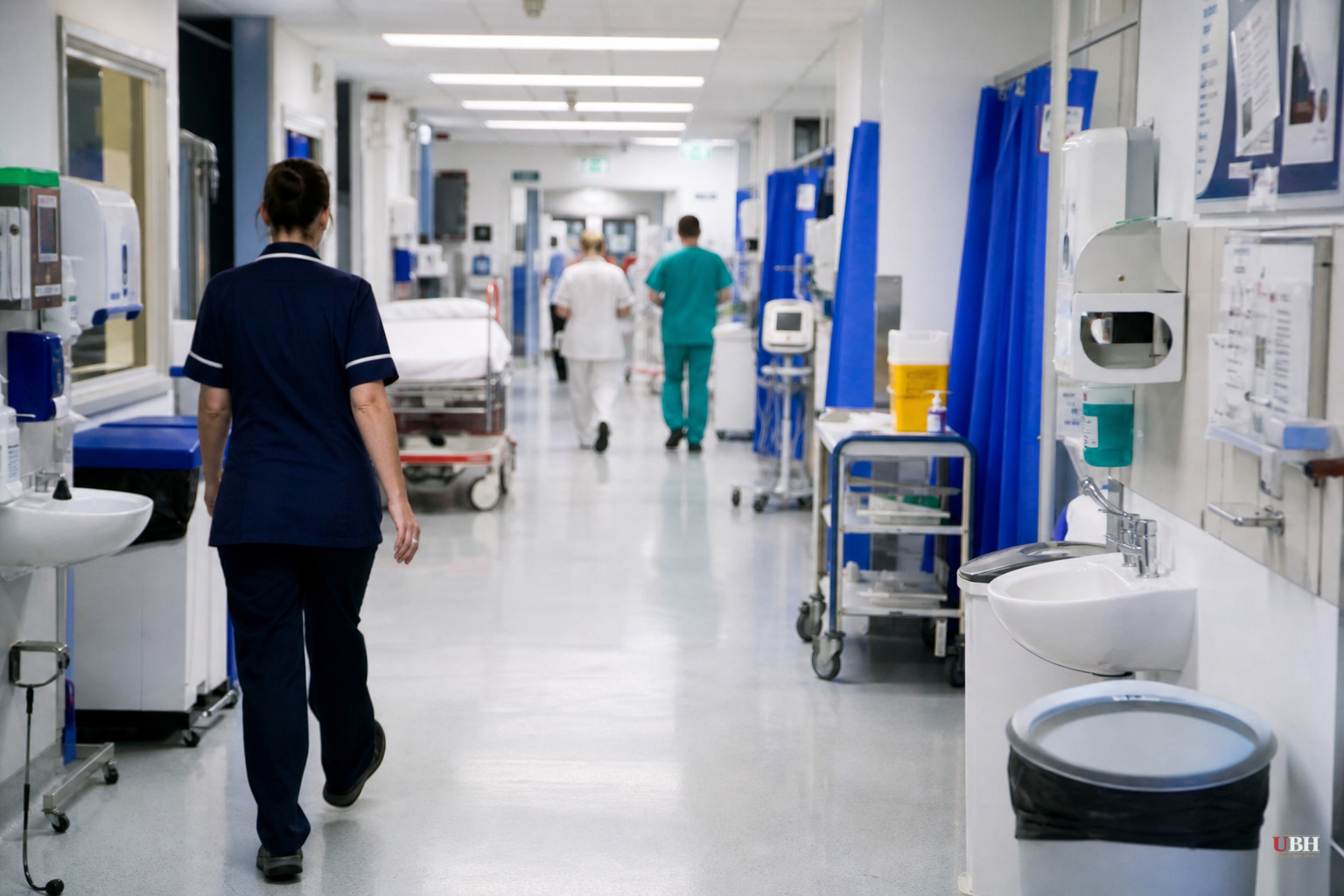
Andy Burnham says the NHS is headed for collapse. He just won't say when he'll fix the thing he says is causing it.
In his first major sit-down interview since becoming prime minister, Burnham told the BBC's Laura Kuenssberg that the NHS will "collapse under the weight of trying to care for people who've really not needed to end up in the NHS system" unless social care gets reformed. Then, asked directly whether he'd have a new system in place before the next election, he said he "couldn't put a timeline on it right here, right now."
Burnham isn't new to this fight. He first proposed a universal social care system for England back in 2009, when he was health secretary under Gordon Brown. Seventeen years later, he's prime minister, and the problem he identified is still unsolved. He told the BBC he wouldn't want to leave office without bringing "substantial change" to social care, and that he'd put "whatever political capital I have" into fixing it.
Whatever political capital he has left. Because the actual policy move landing this week isn't a new system. It's a scheduling change.
What's Actually Happening Wednesday
Burnham is set to give a speech on adult social care. According to the BBC, he will stop short of unveiling any new system in that speech. Instead, he's expected to announce he's speeding up the Casey Commission, the independent review led by Baroness Louise Casey that's been studying solutions to England's social care mess.
Right now, Casey isn't expected to deliver final recommendations until 2028. Burnham wants that moved up. He told the BBC social care "was on longer path and I have brought it straight forward."
Bringing forward a commission's homework deadline is not the same thing as reforming social care. It's a commitment to eventually get a report that might lead to a plan that might get funded. Voters frustrated with two decades of promises on this issue have reason to want more than a faster review.
Why This Keeps Failing
Adult social care in England isn't free at the point of use, unlike the NHS. People with savings over £23,250 get no help with costs from their council. Wales and Scotland run different eligibility rules entirely, which is its own headache for a supposedly United Kingdom.
This is exactly the problem that's sunk previous attempts at reform. Two years ago, Sir Keir Starmer's government scrapped a planned £86,000 lifetime cap on social care costs in England, drawing heavy criticism at the time. Every fix costs money, and money is the thing every government says it doesn't have.
Conservative leader Kemi Badenoch is already boxing Burnham in on exactly that point. In a letter to the prime minister, she said any solution "must also be fair to those who have made provisions and saved up over the course of their lives," and that Burnham should rule out tax rises or increased borrowing to pay for reform.
That's the legitimate conservative worry here, and it's worth taking seriously rather than dismissing as obstruction. People who worked, saved, and planned for their own care costs have a fair claim that any new system shouldn't effectively penalize them to subsidize people who didn't save. If Burnham funds reform through higher taxes or more borrowing, he's asking savers to pay twice: once for their own care, once for everyone else's through the tax system. Badenoch hasn't offered her own funding mechanism in what's been reported here, but the concern about fairness to savers is a real policy tension, not just political posturing.
The Welfare Angle
Burnham also used the interview to address benefits, saying he might "increase the conditions on people required to receive benefits." He said he believes "there are people out there who, with the right support" could work rather than claim, and that the country needs to get serious about bringing the welfare bill down.
That's a notable position for a Labour prime minister to stake out on the BBC. It puts him to the right of where some in his own party would like to be on welfare conditionality, and it will be tested the moment specific proposals land, since "tougher conditions" sounds very different in a headline than it does in a bill that affects disabled claimants or long-term unemployed people.
What Happens Next
The real test isn't Wednesday's speech. It's whether Baroness Casey's accelerated timeline actually produces recommendations Burnham can turn into legislation, and whether he can fund whatever that turns out to be without the tax rises Badenoch is trying to rule out in advance. Nothing here has cleared Parliament. No costed plan exists yet. Burnham has committed to urgency and a review timetable. He has not committed to a specific system, a specific cost, or a specific date, and by his own admission to the BBC, he can't yet say when that changes.
Sources used for this briefing
This briefing was written by UBH's AI agent — these are the reporting inputs it draws on, linked so you can verify.


