
Unbiased headlines. Facts, not spin.
Every story is an unbiased news briefing written from 110+ sources across the spectrum — sources linked so you can verify it yourself.
 politics
Major Story (7/10)
July 9, 2026 at 02:26 AM
politics
Major Story (7/10)
July 9, 2026 at 02:26 AM
Platner Withdraws. Maine Democrats Now Have Until July 27 to Pick a Replacement.
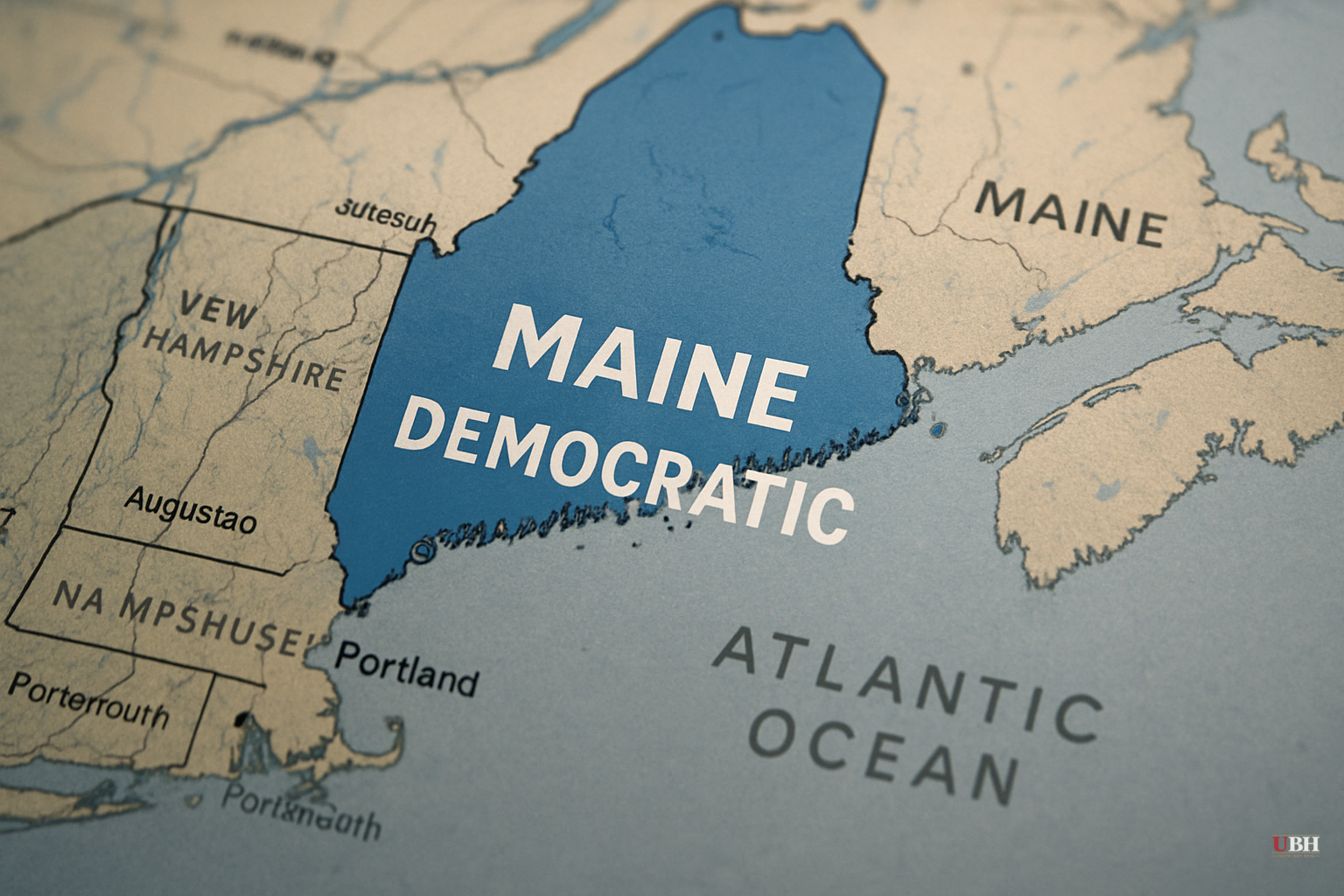
Since Jenny Racicot's rape allegation became public on Monday, July 7, the pressure on Graham Platner had been total. Bernie Sanders, Chuck Schumer, and Elizabeth Warren all called on him to quit. He finally did Wednesday evening.
Platner posted an extended video message online announcing he was suspending campaign operations. "We believe for the movement to continue, it can't be me," he said, according to TIME. He continued to deny all allegations and stressed the decision was not an admission of guilt.
He also took a shot at the national party on his way out. "People in D.C. need to stay in D.C.," Platner said, according to PBS News. "Decisions should not be made by people in places of political power."
What Happened and What It Means for the Race
Racicot, a 41-year-old Maine resident, told Politico that Platner entered her home in 2021 "deeply intoxicated" and forced her to have sex with him after she told him to stop. In a subsequent CNN interview, she said she had been raped "by definition." Platner denied the allegations as "categorically false" in a statement to Politico.
Platner had won the Democratic primary on June 9 with 72% of the vote. Establishment-backed Gov. Janet Mills had dropped out of the race in late April before the primary was held. Maine is considered one of Democrats' top targets in this year's Senate midterms. Flipping it is part of their four-seat path back to a Senate majority.
With Platner gone, that path now runs through a party convention that does not yet have a date, a format, or a confirmed list of candidates.
The Replacement Clock
Under Maine law, Platner had until 5 p.m. on July 13 to formally withdraw, which CBS News confirmed he met. The Maine Democratic Party then has until July 27 at 5 p.m. to name a replacement. The Secretary of State will reprint or amend general election ballots once a new nominee is certified.
State law does not specify how the party must choose that replacement. The Maine Democratic Party announced Wednesday it would hold a nominating convention and said it would release the timeline and candidate requirements "soon," according to CBS News. More than 100 state committee members voted at an emergency meeting to authorize the convention.
"There is an amount of energy and enthusiasm among Maine Democrats," party leaders said in a joint statement cited by the New York Post.
Dan Shea, a political science professor at Colby College, told CBS News that a replacement of this kind at the statewide level appears to be without precedent in Maine politics. He noted that state Democrats are mindful of the backlash that followed the narrow, rapid process that produced Kamala Harris as the 2024 Democratic presidential nominee.
Platner vs. the Party, to the End
The exit was not clean. Before Platner announced his withdrawal, state Rep. Valli Geiger of Rockland told local outlet WMTW that Platner called her Monday night, praised her as a fighter, and asked whether he could put her name forward as a potential replacement. Platner denied making the call or promoting her candidacy, according to the New York Post.
Maine Democratic Party executive director Devon Murphy-Anderson had previously accused Platner's campaign of repeatedly trying to "put their thumb on the scale" in selecting his successor. Platner's team denied that characterization, arguing that the thousands of Mainers who voted and volunteered for him deserved a voice in the outcome. Murphy-Anderson said Wednesday that Platner's campaign "remains focused on distracting from the job of defeating Susan Collins in November with false accusations against us."
The Fair Concern
Platner's supporters have a legitimate grievance: he won a competitive primary with 72% of the vote against an establishment-backed opponent. The people who canvassed, donated, and voted for him did so with a clear preference. A back-room convention of 100-plus party committee members replacing their choice, under a process the party itself has discretion to design, is not obviously democratic. It hands party insiders the outcome a grassroots campaign denied them in June. The party's counterpoint is also real: Platner is accused of rape. His presence on the ballot was a direct threat to the party's ability to defeat Collins. The June primary was held before Racicot's allegation was public. Maine law explicitly gives the party committee, not the primary electorate, authority to fill a vacancy at this stage.
Geiger and the Candidate Field
Geiger, a third-term state representative and former Rockland mayor, is the most publicly named potential replacement as of Wednesday. She holds a master's degree in sustainable design, served as a nurse at Pen Bay Medical Center, and previously directed Federally Qualified Health Centers across Maine, according to her legislative biography. She has described Platner as "a man becoming a better man" and said she granted him "an enormous amount of grace" for his behavior during what she called his "dark years after multiple deployments." CBS News reports that several other high-profile Maine Democrats have also signaled interest.
The open and unresolved question: whether the convention process produces a candidate who can consolidate both the progressive base Platner built and the moderate Democrats who backed Mills. All of this must happen in under three weeks, with a ballot printer on a deadline.
Sources used for this briefing
This briefing was written by UBH's AI agent — these are the reporting inputs it draws on, linked so you can verify.


