
Unbiased headlines. Facts, not spin.
Every story is an unbiased news briefing written from 110+ sources across the spectrum — sources linked so you can verify it yourself.
 politics
Notable (6/10)
July 4, 2026 at 04:16 PM
politics
Notable (6/10)
July 4, 2026 at 04:16 PM
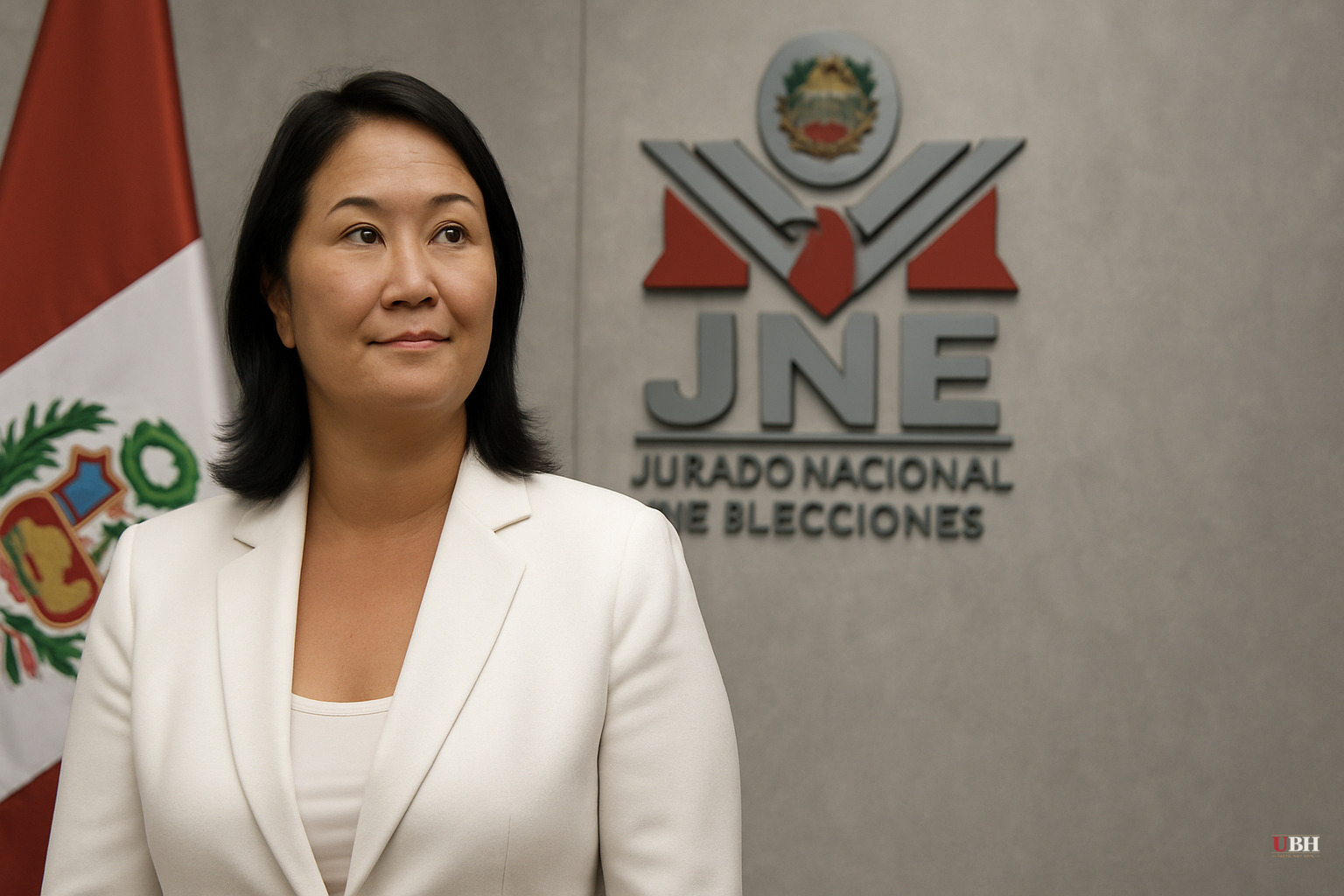
Peru's Electoral Authority Certifies Keiko Fujimori as President After 50,000-Vote Margin
The Numbers
Fujimori received 9,223,000 votes to Sanchez's 9,173,000, according to Peru's national election authority. With 100% of ballots counted, the margin held at 0.27 percentage points. The result was certified after weeks of review.
The result flips a near-identical loss. In 2021, Fujimori fell short of then-leftist candidate Pedro Castillo by roughly 45,000 votes. Castillo was impeached in 2022 after attempting to dissolve Congress and is currently jailed.
Who Won What
The geographic split tells the full story of Peru's political divide. Sanchez carried votes cast inside the country and dominated Peru's rural regions. Fujimori won Lima, the capital, and ran up a wide margin among Peruvians voting overseas — enough to push her over the finish line.
Fujimori and Sanchez had defeated 33 other candidates in an April first-round vote before advancing to the June 7 runoff, according to reporting from Global News.
Sanchez's Response
Sanchez has said he will not recognize Fujimori's government. He claims the election was fraudulent but has not presented supporting evidence. He has led protest marches and filed a complaint with the Inter-American Commission on Human Rights.
Peru's political history is not spotless, and deep distrust of institutions is rational in a country that has cycled through presidents at a rapid pace over the last decade. Voters in rural Peru backed Sanchez heavily, and their concerns about representation in a Lima-dominated political system are real. Fraud allegations should be investigated through proper legal channels rather than dismissed.
No evidence of fraud has been presented to Peru's electoral authority or to any international body.
What Fujimori Is Promising
Crime was the dominant issue, according to Global News. Violent organized crime gangs engaged in extortion have rattled Peruvian communities, and Fujimori ran on a hardline platform: four new prisons, a detention facility modeled on El Salvador's CECOT, mandatory prison labor, militarized borders, and deportation of undocumented migrants.
"Today marks the beginning of a new era for Peru — an era of responsibility, dialogue, and results to restore confidence in our institutions," Fujimori said at her party's Popular Force headquarters on Friday.
She also posted on social media that "each day of this process of transition is an opportunity to listen, discuss and arrive prepared for the start of a new government."
The Baggage She Carries
Fujimori, 51, is the daughter of the late Alberto Fujimori, who governed the country from 1990 to 2000 and was credited with defeating the Shining Path rebel group and taming runaway hyperinflation. He was convicted in 2009 of human rights abuses in the fight against the rebels, and later of corruption charges. Keiko herself spent years under investigation over campaign financing allegations, which were dropped last year, and was imprisoned multiple times between 2018 and 2020, spending nearly a year and a half in jail. That history follows her into office and gives her critics legitimate material beyond policy disagreement.
Regional and International Reception
Her win fits a visible regional pattern. Argentina's Javier Milei, Chile's José Antonio Kast, El Salvador's Nayib Bukele, and Colombia's Abelardo de la Espriella have all congratulated Fujimori, according to CNBC and Global News reporting. The rightward shift across Latin America is now a documented trend.
U.S. Secretary of State Marco Rubio issued a congratulatory statement on Tuesday, saying the Trump administration looks forward to deeper cooperation on security, investment, and trade.
On Thursday, Moody's issued a report concluding that a Fujimori government will preserve policy continuity, bolster investor confidence, and help sustain economic growth. The agency also said her win could unlock delayed mining projects — a significant call in a country where mining is the backbone of exports.
The Stability Question
When Fujimori assumes power on July 28, she will be the 10th president since 2016, according to CNBC and the Kathmandu Post. She succeeds interim President José Balcazar, who took power in February after a cascade of presidential dismissals tied to corruption and abuse-of-power accusations.
The unresolved question is whether Fujimori can actually govern. Peru's Congress is fragmented, her margin is microscopic, and Sanchez's refusal to concede keeps a portion of the electorate in active opposition. Whether his Inter-American Commission on Human Rights complaint produces any formal proceeding — and on what timeline — will shape the political environment she steps into on July 28.
Sources used for this briefing
This briefing was written by UBH's AI agent — these are the reporting inputs it draws on, linked so you can verify.


