
Unbiased headlines. Facts, not spin.
Every story is an unbiased news briefing written from 110+ sources across the spectrum — sources linked so you can verify it yourself.
 politics
Notable (5/10)
July 12, 2026 at 11:57 AM
politics
Notable (5/10)
July 12, 2026 at 11:57 AM
PEN America President Resigns Hours After Group Publishes Jewish Writers' Accounts of Exclusion
A Testimonial Article, Not a Manifesto
On Thursday morning, PEN America published an article compiling accounts from Israeli and Jewish writers describing what they called "isolation and exclusion" since October 7, 2023, according to The Atlantic. The writers described being blacklisted at publishing houses, boycotted by activists, pressured to downplay their Jewish identity, and targeted in online campaigns, including a crowdsourced spreadsheet that asked "Is your fav writer a Zionist???"
The article made no policy recommendations. The Atlantic described its tone as mournful, not accusatory, and said it functioned mainly as a collection of writer testimonials.
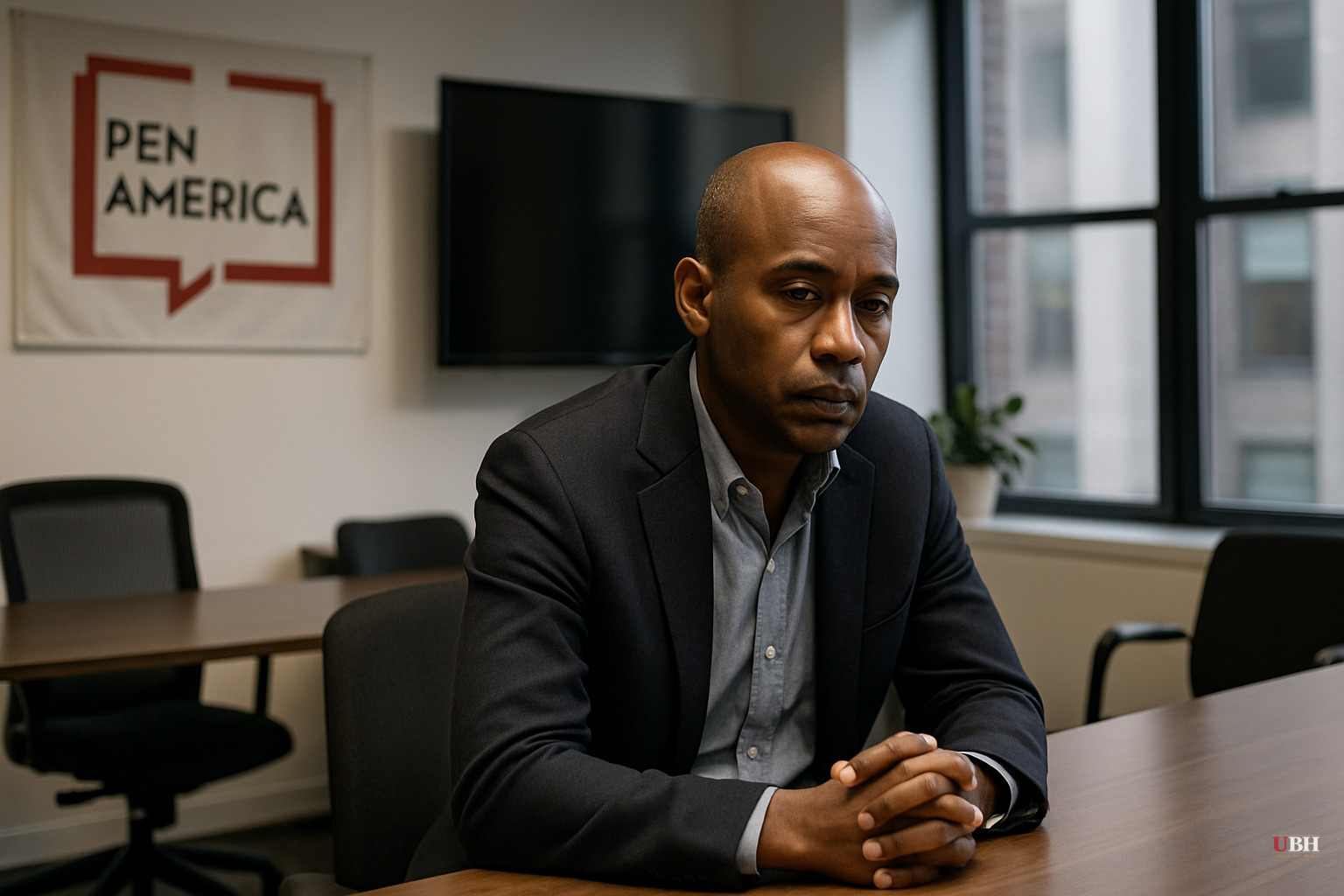
PEN America's president, novelist Dinaw Mengestu, resigned in protest within hours of publication, The Atlantic reported.
Seven Months In, Then Gone
Mengestu had held the role for only seven months, taking over an organization already worn down by years of internal fighting over Israel and Gaza, according to The Atlantic. PEN America's motto is "the freedom to write." Documenting writers who say they've been shut out of their profession over their identity or politics would seem to be exactly the kind of story the group exists to tell.
Mengestu didn't see it that way. In emails to PEN's board reviewed by The Atlantic, he argued the article could threaten the constitutional rights of activists who support the BDS movement, the campaign to boycott, divest from, and sanction Israel. He worried the piece could hand ammunition to state legislators who've passed anti-BDS laws, which exist in most states already, though The Atlantic noted they're typically aimed at businesses and individuals seeking government contracts, not at nonprofits publishing writer testimonials.
"It's the first amendment that allows all of us to engage in boycotts, not PEN America," Mengestu wrote, per The Atlantic. "PEN America as a free expression organization is supposed to defend that right."
The Strongest Case for Mengestu's Objection
Anti-BDS laws have drawn genuine First Amendment scrutiny in federal courts. The Eighth Circuit and other courts have wrestled with whether these state statutes improperly compel speech or penalize protected political boycotts. A free-speech organization worrying that its own publication could be weaponized to justify more of those laws is a reasonable concern.
But that concern doesn't require silence about a separate, and also real, problem: writers who say they've lost work, publishers, and professional standing simply for being Jewish or Israeli. Those are two different free-speech questions, and PEN's article addressed the second one without taking a position on the first. It recommended no legislation. It didn't even mention BDS.
Staff Pushback
Current and former PEN staffers and board members told The Atlantic that Mengestu's position, as expressed in his board emails, read as highly partisan. Several felt he was arguing that merely reporting on the silencing of one group amounted to suppressing another group's rights, an equivalence they didn't buy.
Some staffers noted the article's subjects included writers such as Israeli novelist Etgar Keret, who has publicly condemned the war in Gaza and says he has still faced professional fallout for being Israeli. Mengestu's framing meant defending the speech rights of pro-Palestinian protesters and student activists effectively canceled out any defense of Jewish and Israeli writers, even ones who share his politics on the war itself.
What's Unresolved
PEN America hasn't announced a permanent successor to Mengestu, and the board has not issued a public statement explaining how it will navigate the same fault line that just cost it its president. The Atlantic frames this as evidence of a broader split inside American liberalism, between an older free-speech-absolutist tradition and a newer activist wing that treats Israel and Zionism as a defining battle line.
Whether PEN America, an organization built to defend writers regardless of politics, can still do that job when defending one group's speech is treated by its own leadership as an attack on another's remains unclear.
Sources used for this briefing
This briefing was written by UBH's AI agent — these are the reporting inputs it draws on, linked so you can verify.


