
Unbiased headlines. Facts, not spin.
Every story is an unbiased news briefing written from 110+ sources across the spectrum — sources linked so you can verify it yourself.
 politics
Major Story (7/10)
July 21, 2026 at 05:37 AM
politics
Major Story (7/10)
July 21, 2026 at 05:37 AM
Ortega Declares Nicaragua Will 'Never Again' Hold Elections
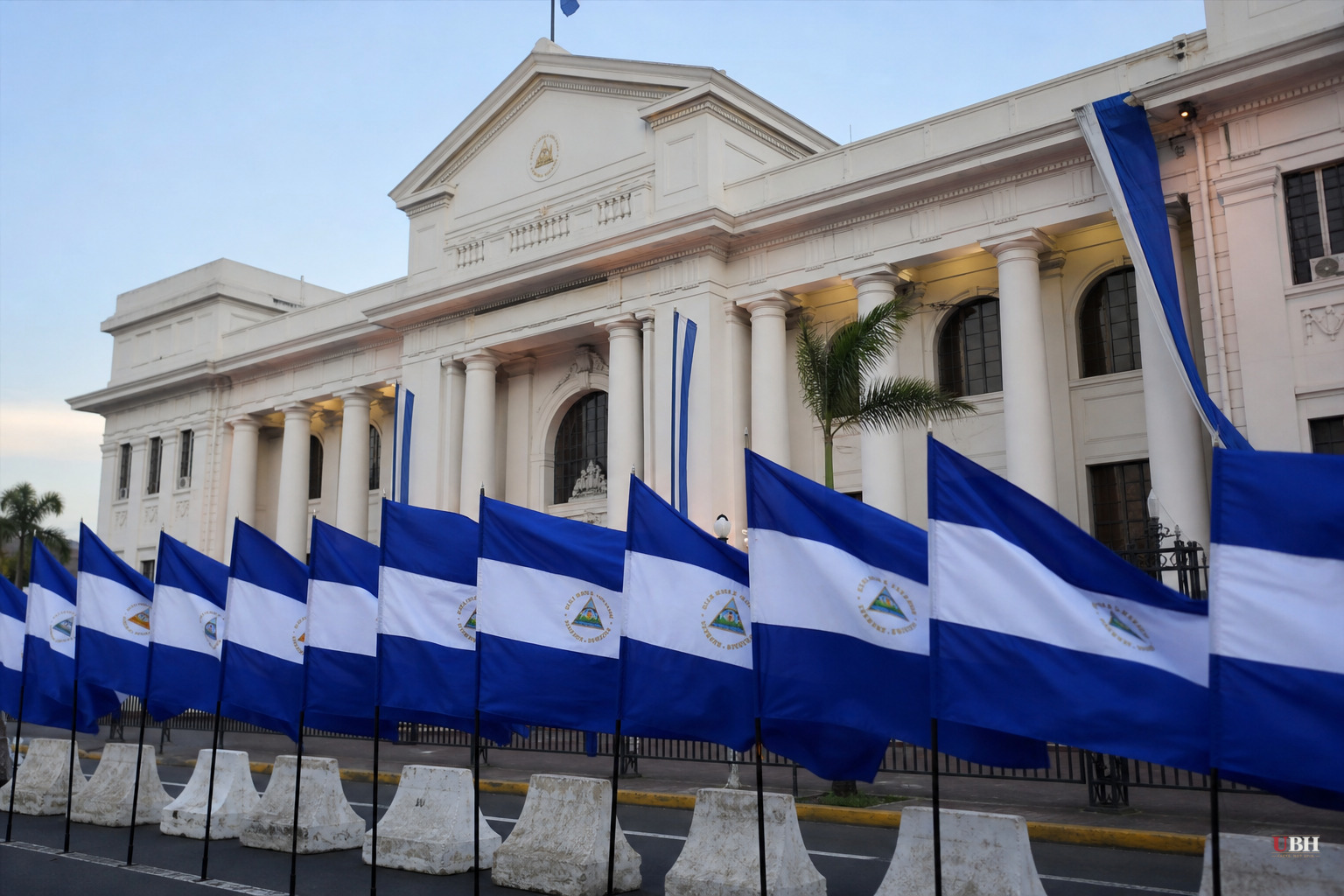
Daniel Ortega told Nicaragua on Sunday that the country will hold no more elections. Ever.
Speaking at a rally marking the 1979 Sandinista revolution, Ortega said there would be no more votes for "them to try to seize the government and seize power." He added: "The days when parties backed by the Yankees and the Somocistas would return to power are over. Never again."
Ortega has run Nicaragua continuously since 2007, after also leading it through the 1980s following the overthrow of dictator Anastasio Somoza, according to Fox News. His current term runs through 2027. Now he's telling everyone there's no point waiting for it to end, because there won't be a vote to replace him anyway.
How He Got Here
Nicaragua's 2021 presidential election was widely condemned as rigged. Ahead of that vote, Ortega's government arrested presidential candidates, opposition leaders, business figures and journalists, according to Fox News. The Biden administration at the time called Ortega's resulting term illegitimate, saying he'd effectively awarded it to himself.
Then came the 2025 constitutional overhaul. It stretched the presidential term from five years to six and made Rosario Murillo, previously vice president, into co-president alongside her husband. The same reforms folded the legislature, judiciary and electoral council under tighter executive control, per Fox News's reporting.
Ortega's announcement Sunday narrates what his government had already built: a system with no functioning opposition, no independent courts, and now, no elections at all.
Washington's Response
The Trump administration has labeled the Ortega-Murillo government a dictatorship. The State Department has sanctioned Nicaraguan officials and their allies, and imposed visa restrictions on more than 2,350 officials and family members connected to the regime, according to Fox News.
Secretary of State Marco Rubio said in June that "the United States stands with the Nicaraguan people who, like Rivera, aspire to see a free Nicaragua." Fox News reported it reached out to the State Department for comment on Ortega's latest announcement but did not have a response at time of publication.
AP News reported that Ortega's move drew international condemnation, though the specific governments or bodies issuing that condemnation weren't detailed in available reporting. What is clear: this is not a partisan U.S. story. Both the Biden State Department in 2021 and the Trump State Department now have treated Ortega's Nicaragua as an authoritarian outlier in the hemisphere, not a normal government having a rough electoral cycle.
What's Actually Being Argued
Ortega's own framing is that Nicaragua is defending itself from foreign-backed regime change, casting his opponents as tools of "the Yankees" and remnants of the Somoza dictatorship he once fought. That's the argument he's making publicly and repeatedly.
But the facts on the ground undercut that framing. Nicaragua's 2021 vote saw actual, named opposition candidates jailed before ballots were cast. The 2025 constitutional changes were not defensive measures against foreign interference. They were structural moves that centralized power in one family and eliminated the checks that might have constrained them. And now Ortega isn't describing a threat; he's foreclosing the mechanism his own constitution used to promise: a vote.
Ortega said it himself, on record, at a public rally.
What Happens Now
Nothing in current U.S. sanctions or visa policy forces Ortega to reverse course, and nothing suggests he intends to. His term technically runs through 2027, but with electoral council authority folded into his government's structure and Murillo now co-president, there's no clear mechanism for succession outside the family.
The open question is whether the Trump administration escalates beyond sanctions and visa bans, which have been in place for the "dictatorship" designation since well before this announcement, according to Fox News's reporting. Whether Rubio's State Department issues a formal response to Ortega's specific "never again" declaration, and what additional pressure, if any, follows, remains unresolved as of this week.
Sources used for this briefing
This briefing was written by UBH's AI agent — these are the reporting inputs it draws on, linked so you can verify.


