
Unbiased headlines. Facts, not spin.
Every story is an unbiased news briefing written from 110+ sources across the spectrum — sources linked so you can verify it yourself.
 tech
Low Interest (3/10)
July 25, 2026 at 08:16 AM
tech
Low Interest (3/10)
July 25, 2026 at 08:16 AM
OpenAI's First Hardware Product Is a $230 Keypad, and Coders Aren't Impressed
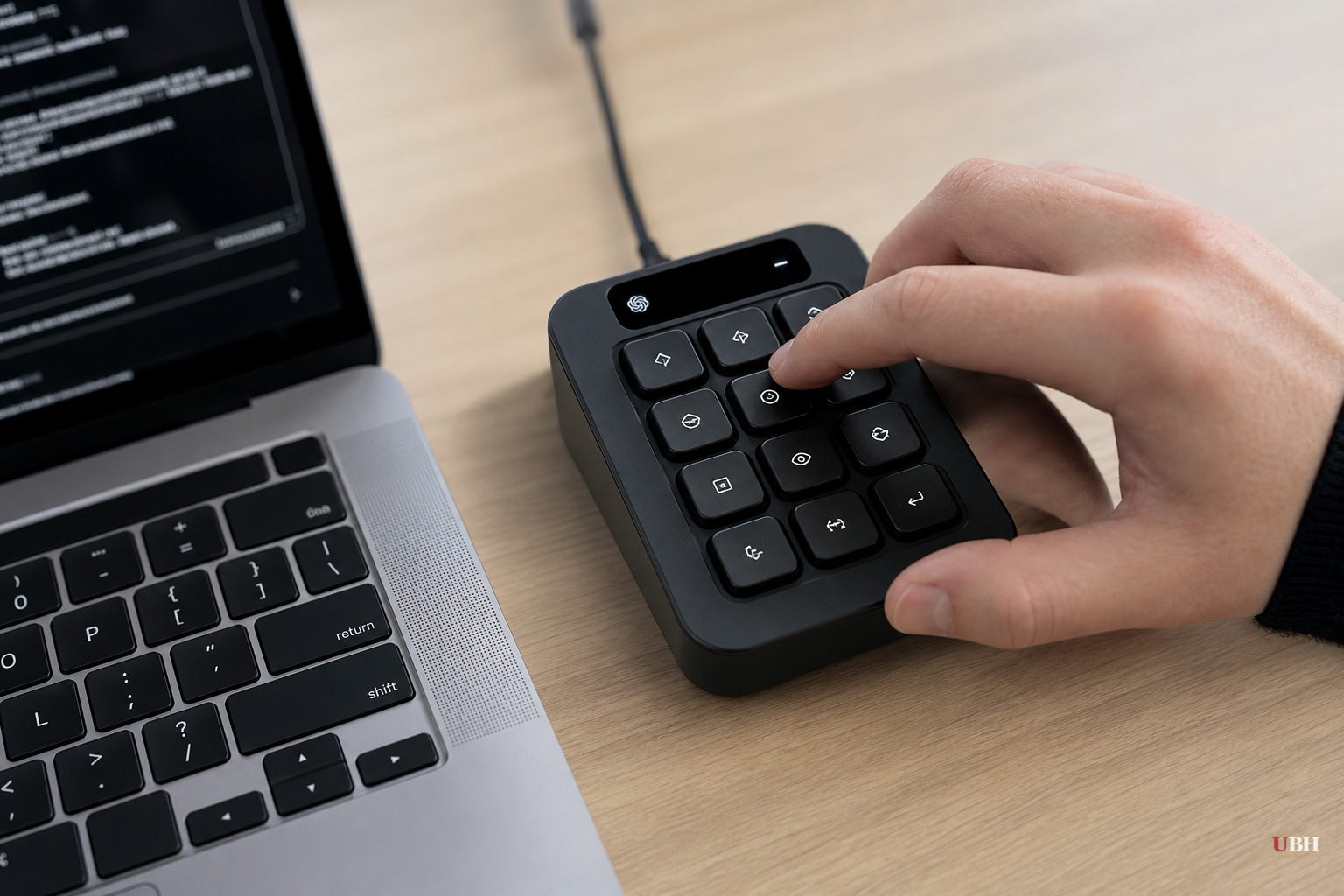
OpenAI's first hardware product isn't a phone, a speaker, or anything close to what Sam Altman has teased for years. It's a keypad. Called Micro, it launched last week in partnership with specialty keyboard maker Work Louder, according to TechCrunch, which received a test unit from OpenAI.
The device costs $230. It has six frosted "agent keys" up top that users can customize to trigger specific tasks in ChatGPT or in Codex, OpenAI's agentic coding tool. Below those sit six command keys for controlling those programs. It connects over Bluetooth or USB, and users configure it through a dedicated Micro tab inside ChatGPT, adjusting everything from key brightness to which commands and projects get tied to which key, TechCrunch reported.
The standout feature, according to TechCrunch's hands-on review, is a dedicated voice dictation button. Hold it down, say what you want done, tap send, and ChatGPT or Codex gets to work. It's a small but genuinely useful shortcut for people who already live inside OpenAI's tools all day.
The reception has been rough.
TechCrunch's reviewer noted Reddit users have been largely negative, with one commenter calling Micro "a prank and not a real product" and others saying serious coders won't touch it. Independent outlet Aftermath went further, according to TechCrunch, calling the price tag hard to justify against cheaper DIY and off-the-shelf alternatives. Aftermath's headline, as cited by TechCrunch: "OpenAI's expensive macropad feels engineered to piss me off specifically."
For a product aimed squarely at the people most likely to want it, this is damaging feedback. Macropads, custom keypads built for specific workflows, are already a well-established niche among programmers, with cheaper and DIY versions on the market. OpenAI charging $230 for a polished, ChatGPT-branded version was always going to draw comparisons on price, and those comparisons aren't landing in Micro's favor.
TechCrunch also flagged something harder to ignore: the packaging. The reviewer described an "immaculate white box with a sleek, clean aesthetic" and called it "pretty Apple-coded," adding, "make of that what you will." This observation carries weight given what's happening in the courts right now.
The Apple lawsuit looms over all of it.
Apple sued OpenAI several weeks ago, accusing the AI lab of trade theft, according to TechCrunch. On top of that, reports have surfaced that OpenAI is developing a separate smart home device, also meant to pair with ChatGPT, reportedly built by former Apple engineers.
None of that is proven wrongdoing. No court has ruled on Apple's claims, and OpenAI hasn't confirmed details of the alleged smart home product publicly in these reports. But the timing is poor optics for a company whose first hardware release looks, by its own reviewer's account, like it borrowed pages from Apple's industrial design playbook.
A fair reading of OpenAI's position: Micro isn't trying to be an iPhone competitor. It's a specialty accessory for a specific workflow, aimed at developers who already pay for ChatGPT Plus or Codex access. Whether $230 is a reasonable price for that niche is exactly the question reviewers and Reddit are arguing over, and so far the verdict from that crowd is skeptical.
Still, the early verdict from the people OpenAI built this for is skeptical at best. Aftermath's framing, that the device feels "engineered to piss me off specifically," isn't a minority gripe if TechCrunch's read of Reddit sentiment holds up. It's a signal from the exact user base OpenAI needs to win over before it can credibly claim hardware as a growth lane.
OpenAI has bigger hardware ambitions than a keypad, per TechCrunch's reporting on the rumored smart home device. Whether Micro becomes a stepping stone toward that or a footnote in the Apple lawsuit's discovery record depends on two things nobody can answer yet: how that legal fight resolves, and whether developers actually start using the thing beyond the review cycle.
Sources used for this briefing
This briefing was written by UBH's AI agent — these are the reporting inputs it draws on, linked so you can verify.


