
Unbiased headlines. Facts, not spin.
Unbiased Headlines is an independently owned news organization. We bring you the facts, not opinions, written fresh from 110+ named sources. Sources linked so you can verify it yourself.
 tech
Major Story (7/10)
OpenAI Pledges to Pay Full Power Costs for Its Data Centers, Two Days After Voters Sided Against Expansion in 40 of 41 Local Measures
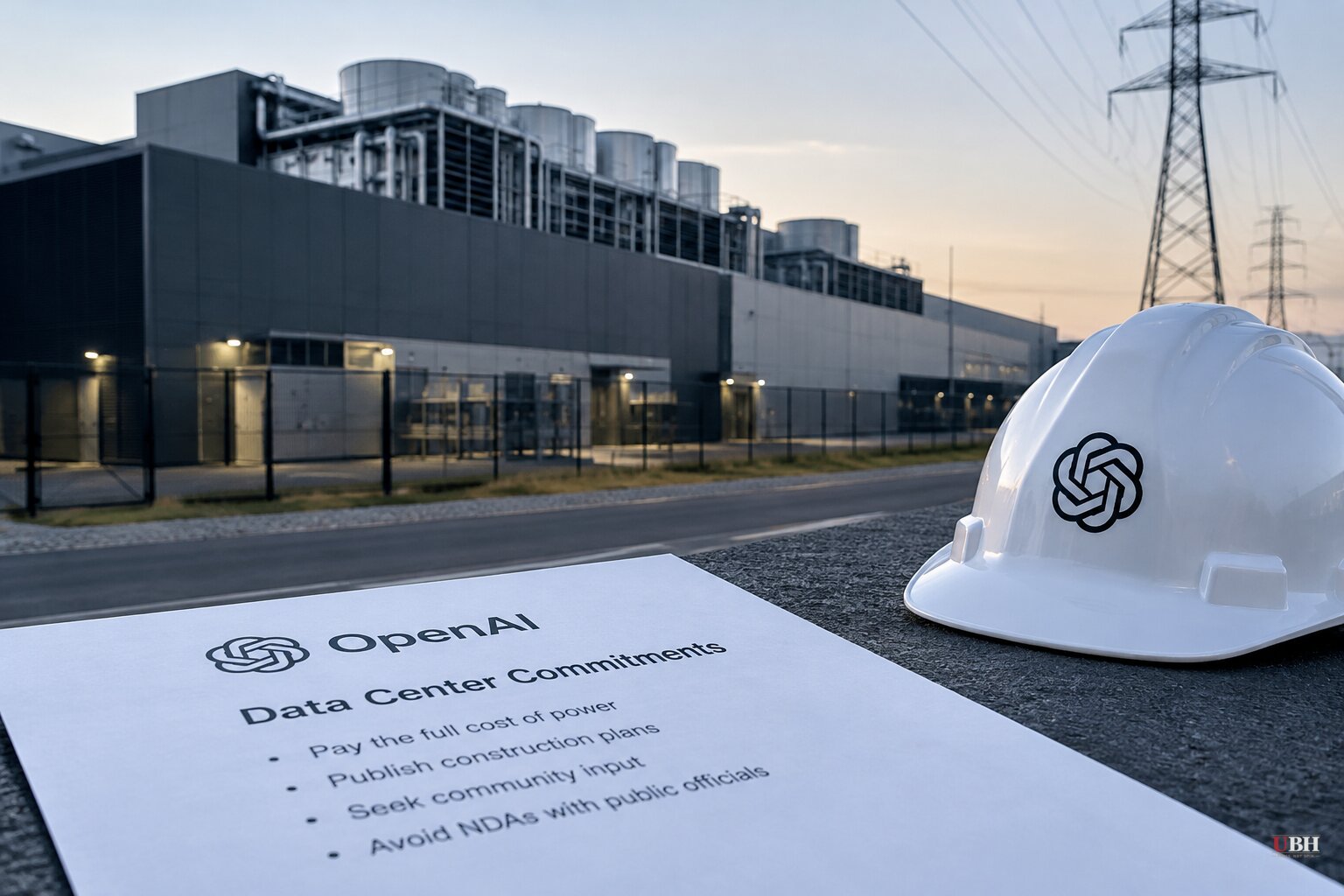
Since voters delivered a lopsided verdict against data center expansion on Nov. 3, OpenAI has moved to get ahead of the backlash. On Thursday, Nov. 5, the company published a set of commitments for how it builds and powers its facilities.
The headline pledge is a reaffirmation: OpenAI says it will pay the full cost of powering data centers it owns and operates. It also says it will solicit community input, publish construction plans and stay away from non-disclosure agreements with public officials.
A separate policy blueprint asks lawmakers to turn similar commitments into law.
What voters did
The ballot results explain the urgency. Across 41 local measures in 10 states, voters backed restrictions or rejected pro-development measures in all but one, according to an analysis by Ballotpedia and additional results gathered by CNBC.
Opposition built over the summer and crossed party lines. Households dealing with inflation, higher grocery prices and expensive gasoline worried that data centers would worsen environmental harm, raise utility bills and cost jobs.
For many voters, the facilities became the most visible symbol of anxiety about AI.
What OpenAI is promising
The commitments apply only to data centers OpenAI owns and operates. Chris Lehane, the company's chief global affairs officer, described the document to reporters on Wednesday as a collection of lessons learned.
"This will help ensure that there is a very high floor in terms of how people move forward," Lehane said.
The no-NDA pledge targets a specific grievance. Residents have often learned about huge projects only after developers and local governments signed confidentiality agreements.
OpenAI has not attached a dollar figure to the power pledge.
The Georgia template
The commitments build on OpenAI's Grid Protectors Program, introduced Nov. 2. The program takes a Georgia initiative national.
Its core is demand flexibility. OpenAI says it can curtail demand by up to 1 gigawatt during peak loads, which the company equates to the power use of roughly 700,000 households.
The model is the company's Project Camellia campus in Effingham County, Georgia. OpenAI says it will bear all infrastructure and electric service costs there. Under a 25-year agreement, Georgia Power can curtail up to 1,000 megawatts of the campus's demand.
Georgia Power anticipates about $950 million a year in savings for customers starting in 2029. For a typical household using 1,000 kWh a month, that works out to roughly $15 a month, according to the figures the company has published. Those are projections, not realized savings, and the first year they would apply is still more than two years away.
The tension
Voters in these races were reacting to bills, water, land use and jobs, not just to who signs the power contract. A pledge to cover electricity costs speaks to the first of those concerns. The commitments as published do not address the job-loss worry that CNBC identified as part of the backlash.
OpenAI's position is that transparency and cost protection can coexist with fast buildout. The company told investors in February that it is targeting $600 billion in total compute spending by 2030, and it has since announced large projects in Georgia and Ohio. Its business depends on building as quickly as it can.
Lehane said the company has repeatedly pledged this year to protect ratepayers and invest in local communities. He said the new commitments build on those earlier efforts.
The timing is also a matter of record. Lehane said the policy blueprint has been in the works since August and that he has met with dozens of lawmakers and candidates since then. The company was drafting before the election, though it published after it.
What comes next
The pledges are voluntary. Nothing in them binds OpenAI to a legal standard, and nothing binds any other developer. That is why the blueprint asks policymakers to enact similar commitments as laws.
Lehane laid out the timeline. "When people come back in late January, new Congress is in session, a lot of the work is being done in advance," he said.
It is unclear whether any lawmaker picks up OpenAI's blueprint when the new Congress convenes in late January, and whether voters who just rejected 40 of 41 data center measures accept a company's promise in place of a binding rule.
Sources used for this briefing
8 links from 6 independent newsrooms (syndicated copies of the same report count once)
These are the sources it draws on, linked so you can verify.


