
Unbiased headlines. Facts, not spin.
Every story is an unbiased news briefing written from 110+ sources across the spectrum — sources linked so you can verify it yourself.
 politics
Major Story (7/10)
July 14, 2026 at 03:14 PM
politics
Major Story (7/10)
July 14, 2026 at 03:14 PM
One-Year Medicaid Ban on Planned Parenthood Expires, Billing Resumes
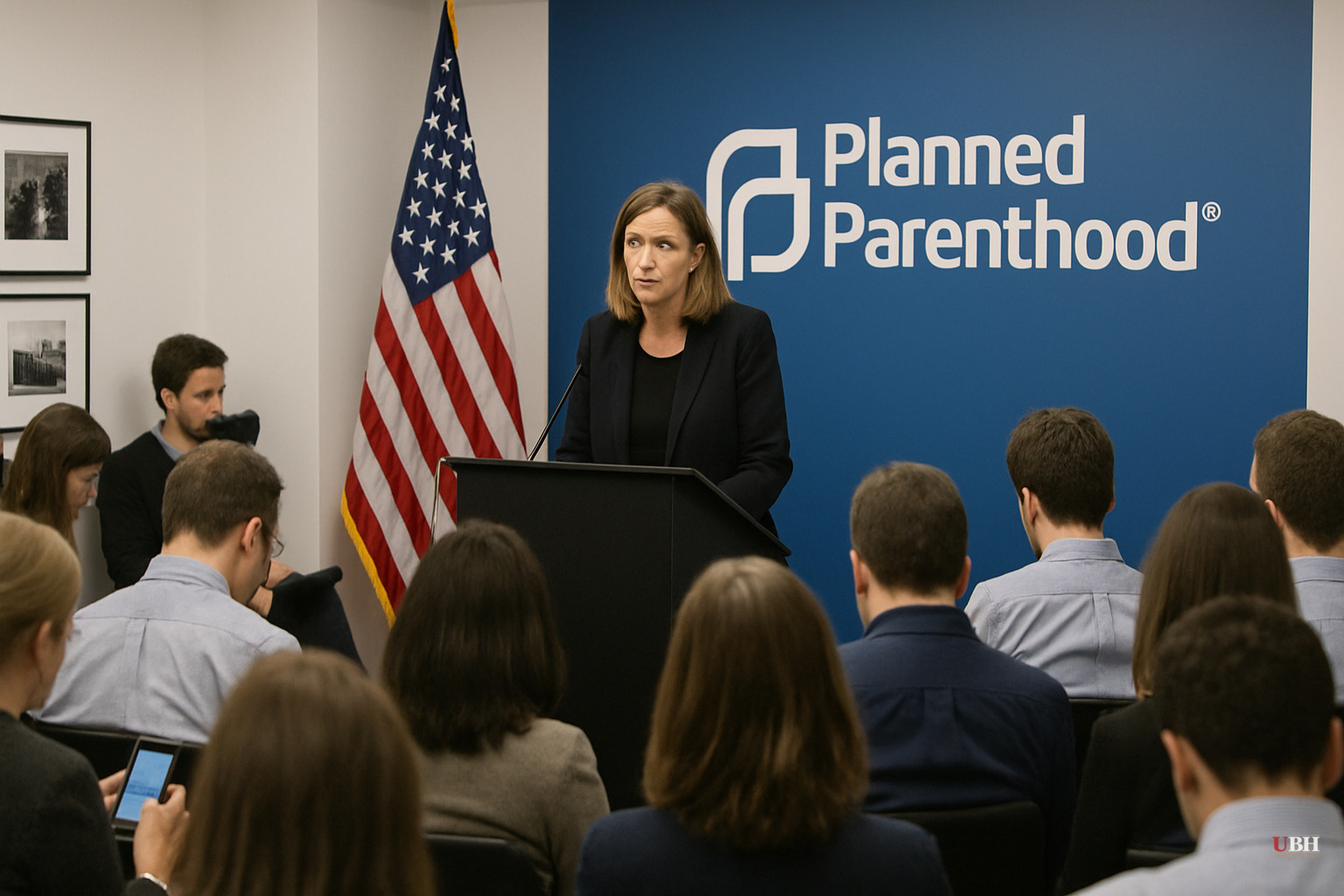
Planned Parenthood and two smaller regional providers resumed billing Medicaid for non-abortion services on Sunday, according to The Guardian. The one-year funding freeze that cut them off expired after being written into President Trump's tax and spending law, known as the One Big Beautiful Bill Act, which he signed in July 2025.
The provision blocked Medicaid reimbursement to nonprofit family planning organizations that provide abortions and collected more than $800,000 in Medicaid reimbursements in fiscal year 2023, according to CT Mirror. That threshold was written to hit Planned Parenthood specifically, though it also swept up two other groups: Maine Family Planning and Health Imperatives in Massachusetts.
Federal law already bars Medicaid from paying for abortions except in cases of rape, incest, or danger to the mother's life, under the longstanding Hyde Amendment. This fight was over the other services Planned Parenthood bills Medicaid for, things like birth control, STD testing, and cancer screenings, which the Daily News, via the Spokesman-Review, put at up to $800 million a year nationally.
The fallout while the ban was in place
Planned Parenthood says nearly 30 of its roughly 600 clinics nationwide closed over the past year, citing the funding cutoff as a key reason, according to The Guardian. The organization also reported dispensing about 25% fewer birth control packs and conducting about 20% fewer breast cancer exams compared to the prior year.
Some clinics stopped offering abortions too, even though abortion funding wasn't directly at issue. Planned Parenthood of Wisconsin paused abortions for about a month before dropping its status as an 'essential community provider' so it could resume seeking reimbursement, The Guardian reported. Planned Parenthood's Arizona affiliate paused many services for Medicaid patients altogether.
The two non-Planned Parenthood providers hit by the law had very different experiences. Maine Family Planning closed three primary care clinics serving about 1,000 patients in a rural state, and those patients waited four to six months on average to find new providers, according to Evelyn Kieltyka, the group's senior vice president of program services, speaking to The Guardian. Notably, the number of abortions the group provided held steady, because Maine's state Medicaid program covers abortion separately.
Health Imperatives in Massachusetts didn't drop any services at all, because state government funding filled the gap the federal cutoff created, The Guardian reported.
Blue states picked up the tab
Connecticut is a clear example of how this played out politically. The state legislature passed $800,000 in emergency funding for Planned Parenthood of Southern New England in February 2025, and Gov. Ned Lamont announced another $10.4 million in December 2025 to fully offset the federal loss, according to CT Mirror. New York did something similar, per the Spokesman-Review.
Red states saw clinic closures. Blue states largely didn't, because they chose to spend state tax dollars to backfill federal cuts Congress imposed. Whether that's a sound use of state Medicaid dollars is a fair question taxpayers in those states should be asking their legislators, separate from the abortion debate itself.
Why this was only temporary in the first place
Republicans wanted a permanent defunding provision in the bill, according to the Spokesman-Review, but the Senate parliamentarian ruled that a permanent cut couldn't survive the reconciliation process Republicans used to pass the bill with a simple majority. That forced the one-year version that just expired.
A separate attempt to revive the defunding in an immigration enforcement bill earlier this year got dropped, per the Spokesman-Review. Some abortion opponents are hoping Congress tries again in a reconciliation bill later this summer, but Republicans face a narrow House majority, internal disagreements, and no path to 60 votes in the Senate without Democratic support.
Sen. Josh Hawley, a Missouri Republican and abortion opponent, told Politico he's skeptical there's a real second chance: 'I don't know that there'll be a later.' Kelsey Pritchard, a spokesperson for Susan B. Anthony Pro-Life America, called the ban 'the default expectation from the pro-life movement,' underscoring that many social conservatives see this as unfinished business, not a settled loss.
The case for the ban, stated plainly
The strongest argument from abortion opponents is straightforward: taxpayers who oppose abortion don't want federal dollars flowing to any organization that performs abortions, even if the specific dollars are legally walled off from abortion itself. Deacon David W. Reynolds of the Connecticut Catholic Conference told CT Mirror he was 'pretty disappointed' the funding came back and wants the ban reinstated. Money is fungible, and freeing up Planned Parenthood's other budget lines arguably subsidizes the organization's overall operations, abortion services included.
Planned Parenthood's counter, laid out by PPSNE president Amanda Skinner in a statement to CT Mirror, is that the cutoff wasn't really about abortion funding at all since federal abortion funding was already illegal under Hyde. It was about non-abortion services like cancer screenings and STD testing for low-income patients on Medicaid, and nearly 30 clinics closing as a result shows real people lost access to basic care, not abortion specifically.
What's unresolved
States now get to decide on their own whether to keep excluding Planned Parenthood from their Medicaid programs, even with the federal ban gone, according to CT Mirror. Some Planned Parenthood chapters are already urging patients to come back in, and the Spokesman-Review reported at least one new clinic is planned to reopen in Louisiana later this year.
Whether Republicans can actually revive a permanent ban before the 2026 midterms remains genuinely uncertain, given the House GOP's internal divisions and the Senate's 60-vote threshold for most legislation. That fight isn't over. It's just paused.
Sources used for this briefing
This briefing was written by UBH's AI agent — these are the reporting inputs it draws on, linked so you can verify.


