
Unbiased headlines. Facts, not spin.
Unbiased Headlines is an independently owned news organization. We bring you the facts, not opinions, written fresh from 110+ named sources. Sources linked so you can verify it yourself.
 finance
Low Interest (4/10)
finance
Low Interest (4/10)
Norway's Sovereign Wealth Fund Discloses $82 Million Stake in Ethereum Hoarder BitMine
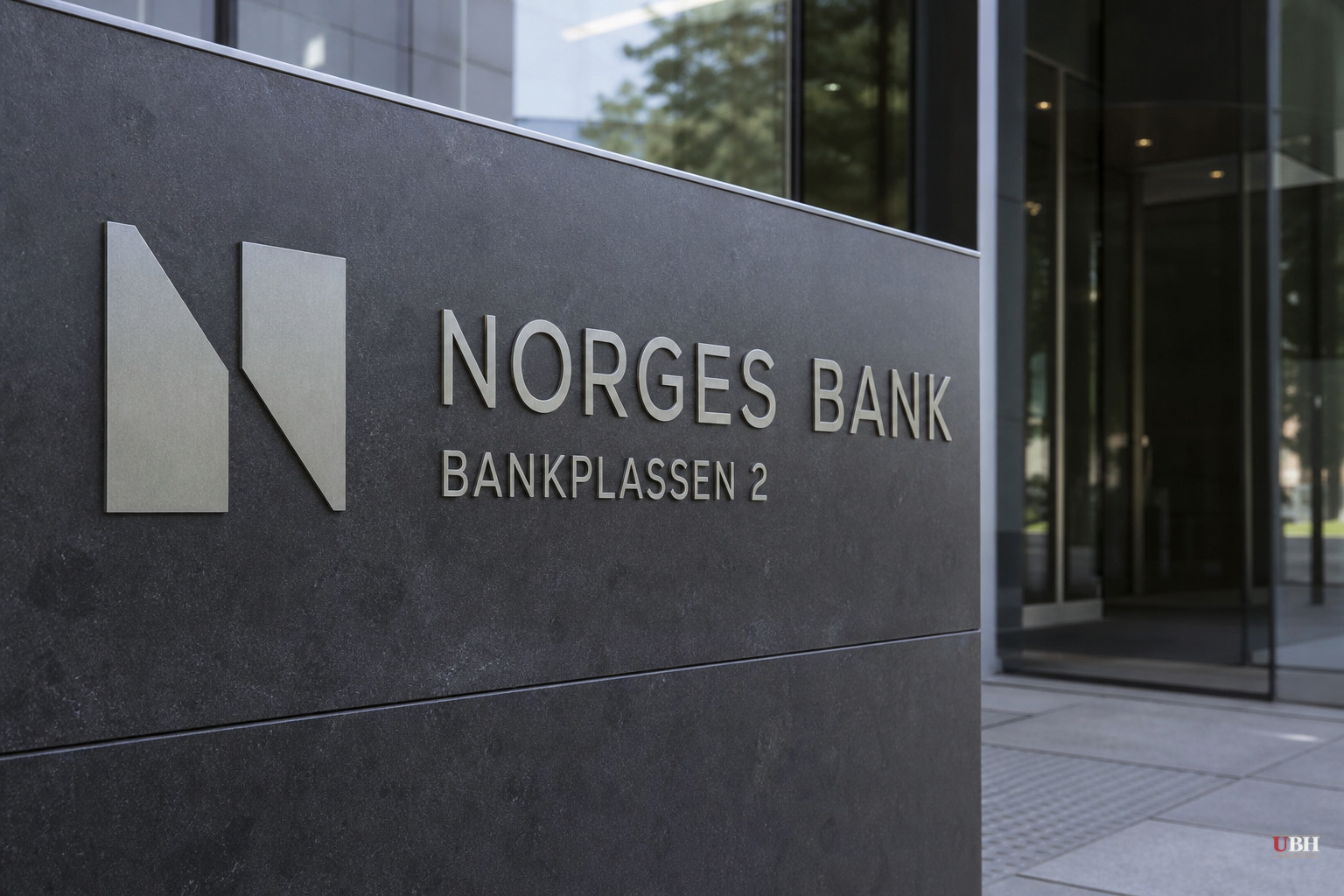
Norway's Government Pension Fund Global, the largest sovereign wealth fund on Earth, disclosed a 6,151,062-share position in BitMine Immersion Technologies worth $81.87 million, according to a Norges Bank holdings filing covering the quarter ended June 30, 2026.
That filing is now the newest wrinkle in a story that's been building since BitMine pivoted away from Bitcoin mining last year. BitMine held roughly 5.8 million ETH as of early August 2026, or about 4.8% of Ethereum's total circulating supply, according to figures reported via Crypto Briefing. The company's stated target is 5%.
How BitMine got here
BitMine didn't get to nearly 5% of Ethereum's supply by accident. The company launched its ETH treasury strategy on June 30, 2025, raising $250 million in a private placement specifically to fund the pivot away from mining hardware and toward hoarding coins.
Thomas Lee was named chairman that same day. The strategy shift wasn't a slow evolution but a corporate takeover of direction, effective immediately.
The model borrows from Michael Saylor's MicroStrategy playbook, where a public company becomes a proxy for holding a cryptocurrency so ordinary stock investors can get exposure without touching a crypto wallet. But BitMine adds a twist MicroStrategy doesn't have: staking.
Of BitMine's 5.8 million ETH, more than 5 million is currently staked, according to the company's disclosed figures. Staking generates yield, and BitMine projects that yield alone could produce hundreds of millions of dollars in annual revenue. Bitcoin sitting in a MicroStrategy wallet just sits there. Staked Ethereum keeps working.
Why a $1.7 trillion fund buying $82 million matters, and why it might not
$81.87 million is a rounding error for a fund this size. Norway's Government Pension Fund Global manages roughly $1.7 trillion in assets spread across thousands of positions in public equities, fixed income, and real estate worldwide. A position this size doesn't necessarily reflect a targeted conviction bet on Ethereum's future. It could just as easily reflect an index-tracking mandate that captures BMNR because it meets some liquidity or market-cap threshold.
Norges Bank hasn't publicly explained its rationale for the stake, which is standard practice for the fund. It rarely comments on individual position sizing this small relative to the total portfolio.
Still, the fund has a documented history of crypto-adjacent exposure. It has held stakes in Coinbase, MicroStrategy, and various Bitcoin mining companies through its broad equity holdings over time. What's different here is the nature of the underlying bet. Coinbase is an exchange. MicroStrategy holds an asset that doesn't generate yield. BitMine's whole model is built around staking mechanics that create ongoing revenue streams tied directly to Ethereum's price and validator economics.
This represents more direct crypto exposure than a diversified fund typically takes on, even indirectly. It also means Norwegian pensioners now have a sliver of their retirement savings riding on a company whose entire balance sheet strategy depends on Ethereum's price holding up and staking yields staying attractive.
The unresolved question
What nobody has answered yet, including Norges Bank itself, is whether this stake reflects deliberate strategy or passive index mechanics. The fund's mandate is broad diversification, not targeted crypto speculation, and there's no public statement from Norges Bank confirming which one this is.
BitMine, for its part, is closing in on its self-declared 5% target of Ethereum's circulating supply. What happens to its stock and its yield model once it hits that ceiling, and whether it sets a new target beyond 5%, is the next thing to watch. Neither BitMine nor Norges Bank has said what comes after the milestone.
Sources used for this briefing
1 link from 1 independent newsroom (syndicated copies of the same report count once)
These are the sources it draws on, linked so you can verify.


