
Unbiased headlines. Facts, not spin.
Unbiased Headlines is an independently owned news organization. We bring you the facts, not opinions, written fresh from 110+ named sources. Sources linked so you can verify it yourself.
 sports
Notable (5/10)
North Atlantic right whale population estimate falls to 382 from 384
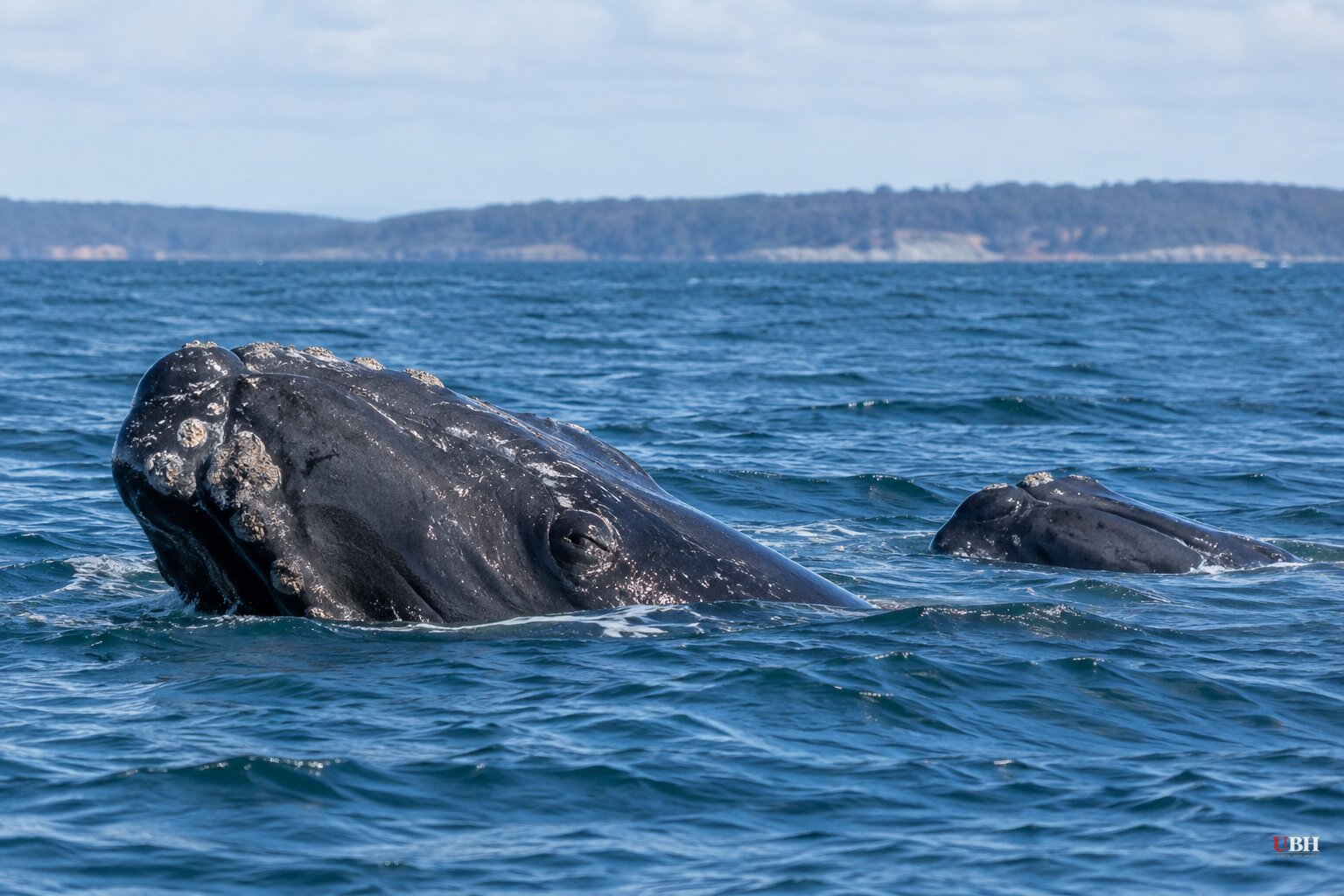
The North Atlantic right whale population now stands at 382, according to the annual estimate the North Atlantic Right Whale Consortium released today, Nov. 16, at its yearly meeting in Halifax. Last year's estimate was 384.
That ends a short run of gains. The 2025 figure had been a 2.1% increase over the year before, continuing a slow climb.
The numbers are small either way. The whales were hammered by centuries of commercial whaling that mostly ended in the 1930s, and the species has been slow to come back.
Births are up, deaths and injuries continue
This year did bring good news on reproduction. Researchers documented 24 calves in 2026, the most since 2009. One newborn was photographed with its mother, Silt, off Anticosti Island, Quebec, in September.
Two deaths have been documented this year. On Jan. 27, a four-year-old male named Division was found dead off North Carolina after severe entanglement linked to Canadian snow crab equipment. He had first been seen in 2025 with fishing line wrapped around his head and mouth, cutting into his blowhole and embedded in his jaw.
Less than two weeks later, researchers identified a dead three-year-old female off Virginia's eastern shore. Her cause of death is undetermined.
Beyond the deaths, there have been eight documented human-caused injuries to right whales this year: seven entanglements and one vessel strike.
The National Oceanic and Atmospheric Administration has said the last nine years have seen unusually high numbers of injuries and deaths for the species.
Food moved, and the whales followed
Heather Pettis, chair of the consortium and head of the right whale research program at the Anderson Cabot Center, said a warming ocean has pushed the whales' food, tiny organisms called copepods, into new areas. The whales have followed.
Those areas are not protected from ship strikes and entanglements, Pettis said.
"We know that this population can and will move around to find food and if we aren't protecting them throughout their range, we may see another situation where we have this tremendous decline again," she said.
Pettis said the population "is not yet on a clear path to recovery and is incredibly vulnerable to entanglements and vessel strikes — threats we know how to reduce." She also said recovery depends on sustained protective action in both Canada and the United States.
The consortium's numbers show the stakes of a long slide. The population fell about 25% between 2010 and 2020, a stretch when poor reproduction coincided with high mortality. Scientists and conservationists have said the whales need years of high birth counts plus new protections to rebuild.
The fight over protections
The estimate lands in the middle of a congressional dispute. A proposal that has passed the U.S. House would delay new right whale protections until 2035.
It is intended to shield commercial fishing interests from regulations that members of the industry describe as burdensome. Those rules cost fishermen money and time, and the industry's complaint is about that burden.
Oceana, one of several environmental groups opposing the delay, sees it differently. Nora Ives, a marine scientist on the group's right whale campaign, said: "The latest numbers are disappointing and make the road to recovery longer for critically endangered North Atlantic right whales. This iconic whale will not escape extinction if its population cannot grow."
The Division case also shows the problem is not purely domestic. The gear tied to his death was Canadian, and the whales cross the border as they move between calving grounds and feeding areas. Rules in one country do not cover the animals once they leave its waters.
Where the whales go
Right whales can weigh 150,000 pounds. They give birth in winter off the Carolinas, Georgia and Florida, then travel north to feeding grounds off New England and Canada.
In spring, large groups, sometimes a fifth of the entire population, are seen off Massachusetts. That concentration is part of why a single bad season matters so much.
The consortium's Halifax meeting continues with scientists pressing for more protection across the whales' range. The House-passed delay to 2035 has not become law. Whether it does is the open question hanging over the next calving season, which begins this winter.
Sources used for this briefing
7 links from 7 independent newsrooms (syndicated copies of the same report count once)
These are the sources it draws on, linked so you can verify.


