
Unbiased headlines. Facts, not spin.
Every story is an unbiased news briefing written from 110+ sources across the spectrum — sources linked so you can verify it yourself.
 politics
Notable (6/10)
July 17, 2026 at 01:40 AM
politics
Notable (6/10)
July 17, 2026 at 01:40 AM
Nine Venezuelan Nationals Plead Guilty in Nashville Sex Trafficking Ring That Used Fake Job Offers to Lure Migrant Women
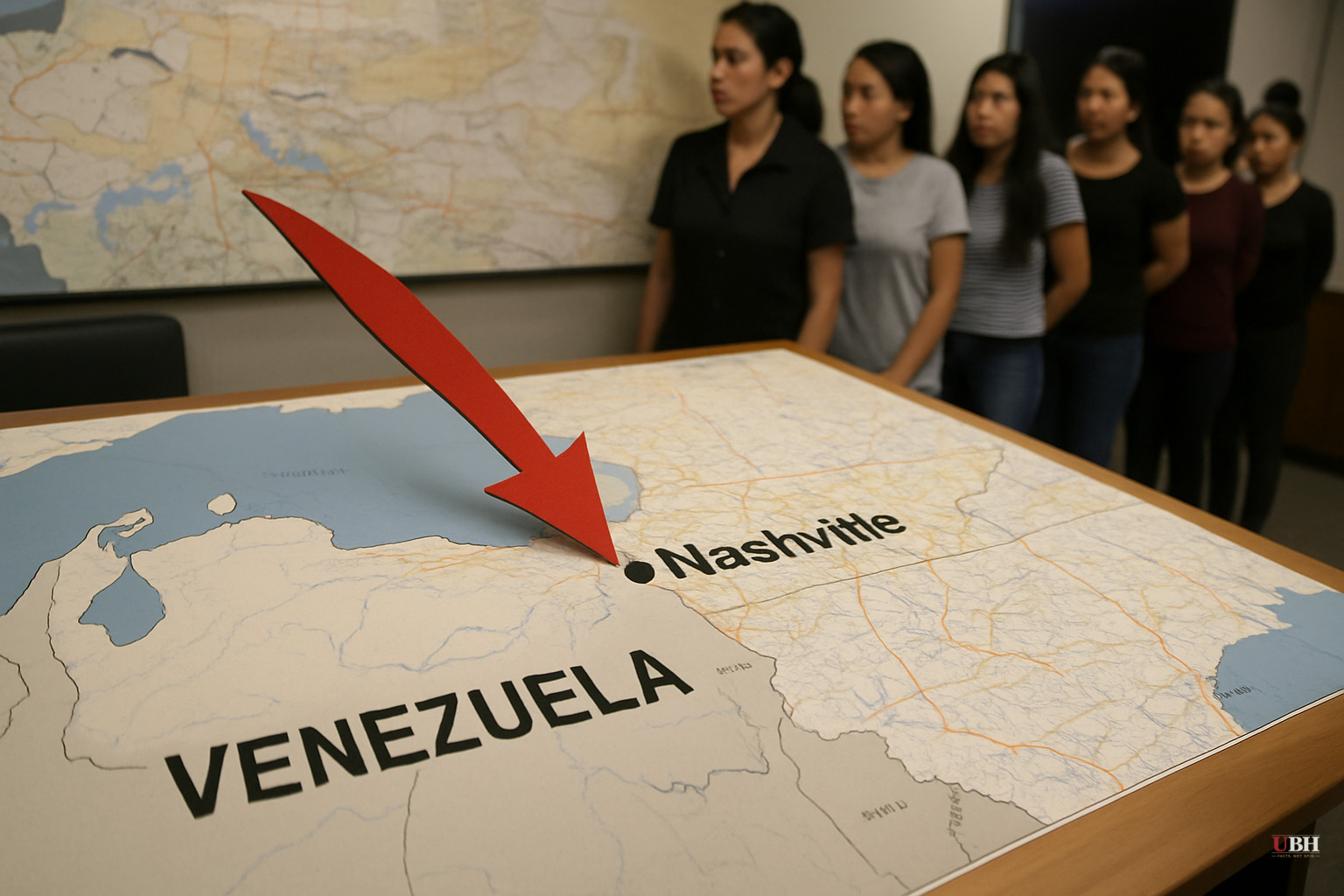
Nine Venezuelan nationals have pleaded guilty for their roles in a family-run sex trafficking operation that recruited women in Venezuela with fake job promises, smuggled them into the United States, and forced them into prostitution around Nashville, according to the Department of Justice.
Prosecutors said the scheme worked like this: recruiters in Venezuela promised women legitimate jobs in the U.S. Once smuggled across the border and transported to Tennessee, the women were told they owed inflated smuggling debts. The only way to pay those debts, traffickers told them, was through commercial sex acts.
Court documents describe women who refused as being threatened with violence, both against themselves and against family members still in Venezuela. Prosecutors said the traffickers also skimmed a share of the women's earnings on top of collecting the debt payments.
Who Ran It
Federal authorities identified Yilibeth Carmen Rivero-de Caldera and her son, Kleiver Daniel Mota Rivero, as the leaders of the operation. According to the DOJ, they recruited relatives and associates to help run the trafficking network, which operated out of locations including a Super 8 motel and a SoMaTel motel in Nashville, both named in court documents.
Investigators said Rivero, Mota, and co-defendant Ramon De Jesus Velasquez Martinez used firearms and explicit threats of violence to control victims. Prosecutors also alleged that Mota invoked ties to a Venezuelan prison gang and talked openly about a prior homicide conviction and prison sentence in Venezuela, using that history to intimidate women into compliance.
What Happens Next
Eight of the nine defendants pleaded guilty to charges carrying maximum penalties of life in prison. The ninth defendant faces up to 20 years. Sentencing for all nine is scheduled for the week of November 16, 2026.
Assistant Attorney General A. Tysen Duva framed the case in blunt terms. "Human smuggling and trafficking operations represent a dangerous convergence of exploitation and lawlessness," Duva said in a DOJ statement. "These perpetrators profited off human suffering while chipping away at the integrity of our border. These convictions show that protecting vulnerable individuals and securing our border are not competing goals."
What's Proven, What's Not
The guilty pleas themselves are not in dispute. Nine people admitted, in federal court, to running or participating in a sex trafficking scheme built on debt bondage, coercion, and threats against vulnerable migrant women. That's a documented fact, not an allegation.
What's less clear from the available record is the full scope of the operation: how many victims were involved in total, how long the ring operated before it was broken up, and whether additional co-conspirators remain uncharged. The DOJ's public statement does not spell out victim counts or a start date for the scheme, and no additional detail on the investigative timeline has been made public in these court filings.
What this case does and doesn't say about broader border and immigration debates requires some care. This is a case about specific individuals, a mother, her son, and a network of relatives and associates, who exploited desperate migrants for profit. It is not, by itself, evidence about the conduct of migrants generally, the vast majority of whom are not traffickers. Prosecutors' own framing draws a distinction between the criminal syndicate and the victims it preyed on, who were themselves migrants seeking legitimate work.
At the same time, the case underscores a real vulnerability. Smuggling networks that operate across the U.S.-Mexico border create opportunities for exactly this kind of debt-bondage exploitation, since victims arrive with limited legal status, limited English, and few options for seeking help without fear of arrest or deportation. That's a structural reality independent of anyone's politics, and it's part of why federal trafficking statutes exist with penalties as severe as life imprisonment.
The unresolved question going forward is what happens at sentencing in November, and whether prosecutors will name additional victims or co-conspirators before then. The DOJ has not indicated whether further indictments are expected in connection with this network.
Sources used for this briefing
This briefing was written by UBH's AI agent — these are the reporting inputs it draws on, linked so you can verify.


