
Unbiased headlines. Facts, not spin.
Unbiased Headlines is an independently owned news organization. We bring you the facts, not opinions, written fresh from 110+ named sources. Sources linked so you can verify it yourself.
 sports
Low Interest (4/10)
Event date: August 26, 2026 ·
sports
Low Interest (4/10)
Event date: August 26, 2026 ·
NFL and NFLPA Set One-Game Suspension Rule for Repeat Hits on Defenseless Players
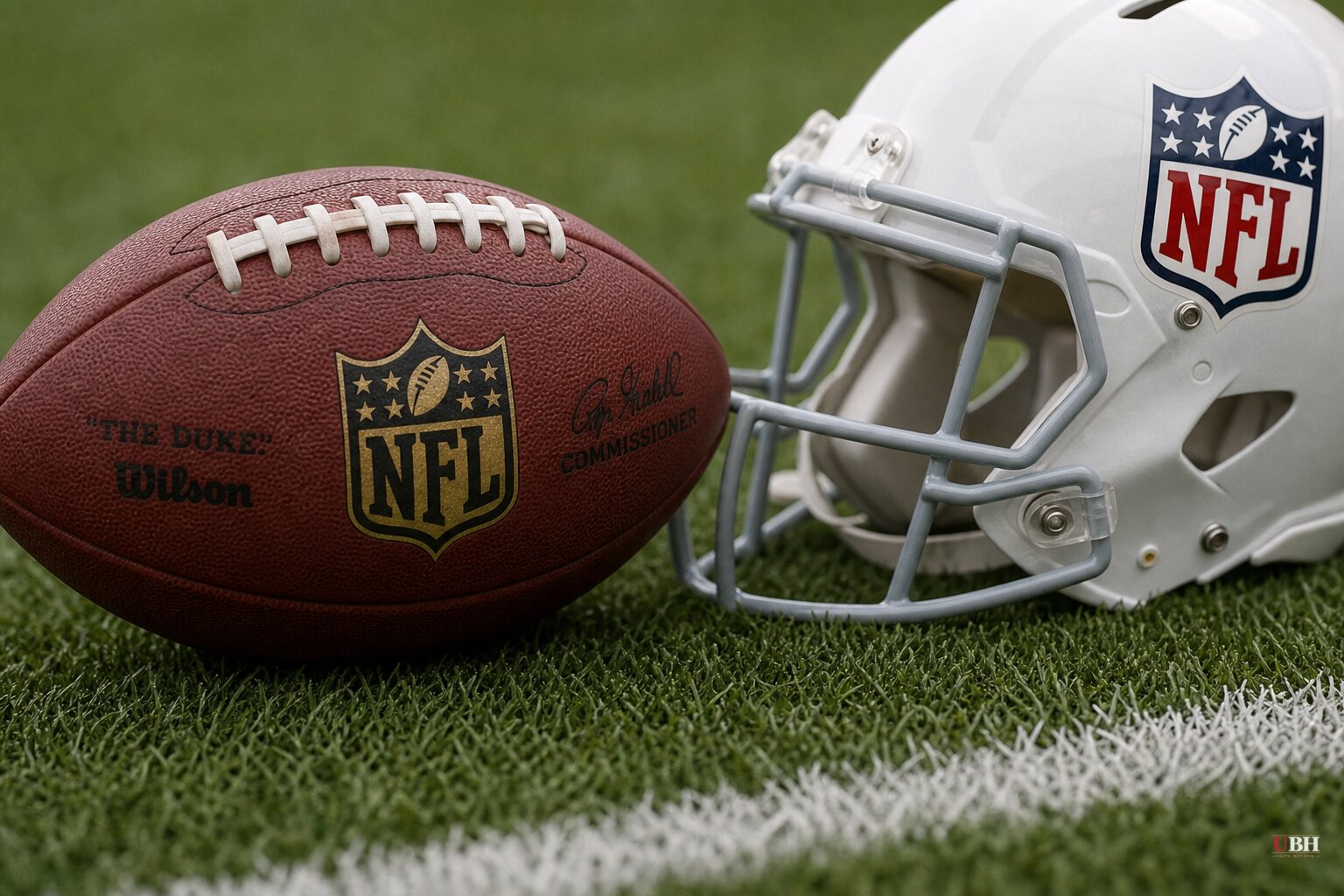
The NFL and NFL Players Association announced a new on-field discipline system Wednesday, aiming fines and suspensions squarely at the plays most likely to injure other players.
Starting with the 2026 season, five categories get extra scrutiny: hip-drop tackles, horse-collar tackles, launching, hits on a defenseless player, and blindside blocks. Rack up three violations across those categories in one season and you're suspended for a game. That's according to the joint NFL-NFLPA statement released at the league's annual meeting in Atlanta, where clubs got briefed Wednesday and player reps voted on the plan at a Board of Player Representatives meeting Tuesday.
Troy Vincent, the NFL's executive vice president of football operations, put it plainly in comments carried by the Associated Press. "There are some player safety fouls that really put the defender and his opponent at really high risk," Vincent said. "We don't like to remove people from the team or the roster. But we've had to put some measures in place to hold the player to greater accountability for himself and for his opponent."
The Refund Angle Nobody Was Talking About
Players who avoid repeat violations get their money back.
Commit just one violation in those five categories in a season, and you get 50% of the fine back at year's end. Commit a single violation in other eligible on-field categories, and you get the whole fine refunded. NBC Sports reported the NFLPA told players the new refund system would have handed back roughly $1.7 million a year on average in recent seasons.
NBC Sports also flagged a catch that other outlets skipped: to get any refund, a player has to actually appeal the fine. Miss that step and the money stays with the league. NBC Sports' Mike Florio put it bluntly, telling players and agents the smart play going forward is to appeal every single fine, win or lose, because a refund only comes through the appeals process.
Not every fine is refundable. Fines for offenses against game officials, fighting, throwing a punch or forearm or kick, and violent gestures carry no refund at all, according to NBC Sports. The league and union statement itself didn't spell out which "other eligible categories" qualify for the full refund, a gap that Reuters and Field Level Media both noted in their coverage without further clarification from the league.
Clean Slate, But Memory Carries Forward
Every player starts the 2026 season with a clean slate on these five categories. But violations will now carry forward into future seasons, a change from how the system worked before. The league and union say there's also a faster, more transparent process for players to work down the impact of past violations.
Coaches aren't off the hook either. If a player on their roster is nearing the three-violation suspension threshold, the coach has to sit in on meetings with the league. Teams racking up what the statement calls "excessive violations of health and safety rules" face increased financial penalties as clubs, not just as individual fines on players.
Ron Rivera, the former NFL head coach who played nine seasons as a linebacker, is joining the pool of former players who oversee appeals hearings for on-field discipline, according to the league's own statement carried on NFL.com.
A Rare Moment of Alignment
The NFL wants a new Collective Bargaining Agreement with the NFLPA that would expand the regular season to 18 games and allow up to 16 international games per year, according to NBC Sports. Getting this player-safety system finalized, with union buy-in through a formal player vote, indicates the two sides can find common ground before those bigger, more contentious negotiations heat up.
The policy is being adopted on a one-year trial basis, according to ClutchPoints, meaning the league and union will evaluate how it plays out over the 2026 season before deciding whether to keep it, tweak it, or scrap it.
The strongest case against this system is a fairness question: does refunding fines to players who "only" commit one violation risk sending the message that a single dangerous hit is basically free, as long as you don't make a habit of it? The league and union didn't address that critique directly in their statement, framing the whole system instead as distinguishing "isolated mistakes" from "repeated conduct that jeopardizes the health and safety of players." Whether officials and the league office apply that standard consistently, across every team and every controversial hit, will become clear once real games are played and real appeals get filed this fall.
Sources used for this briefing
7 links from 7 independent newsrooms (syndicated copies of the same report count once)
These are the sources it draws on, linked so you can verify.


