
Unbiased headlines. Facts, not spin.
Every story is an unbiased news briefing written from 110+ sources across the spectrum — sources linked so you can verify it yourself.
 politics
Notable (6/10)
July 26, 2026 at 01:14 AM
politics
Notable (6/10)
July 26, 2026 at 01:14 AM
New York's Assisted Suicide Law Faces Religious Liberty Lawsuit From Catholic Nursing Orders
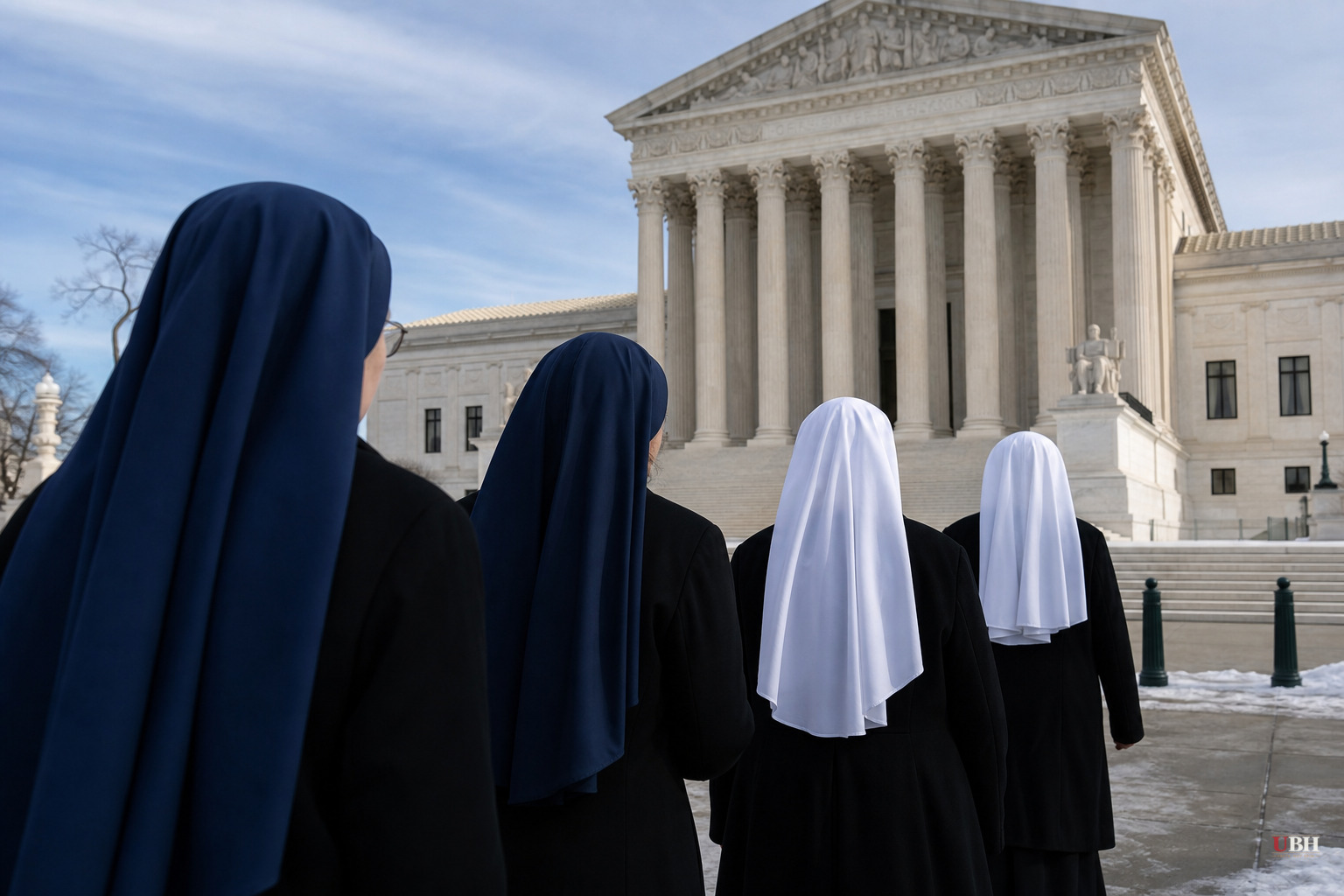
Gov. Kathy Hochul signed New York's Medical Aid in Dying Act in February, making New York one of the states that permits doctors to prescribe lethal medication to terminally ill patients who want to end their lives.
Hochul defended the law in a statement issued at the signing. "Our state will always stand firm in safeguarding New Yorkers' freedoms and right to bodily autonomy, which includes the right for the terminally ill to peacefully and comfortably end their lives with dignity and compassion," she said. "New Yorkers deserve the choice to endure less suffering, not by shortening their lives, but by shortening their deaths — I firmly believe we made the right decision."
Hochul's office says the law includes safeguards for religious objectors. According to her statement, the law allows "religiously-oriented home hospice providers to opt out of offering medical aid in dying" and specifies that "no health care professional or religiously affiliated health facility would be forced to offer medical aid in dying."
Bishop John Barres of the Diocese of Rockville Centre rejected that framing outright. "Governor Hochul's decision to sign into law the assisted suicide bill is a tragedy and a grave moral failure," Barres wrote. He argued the law "facilitates abuse and manipulation of the elderly, the disabled, and those who suffer from mental or emotional illnesses," and said, "Our Catholic institutions cannot and will not participate in physician-assisted suicide. ... We will care for them until the end of their natural lives."
Who's Actually Affected
The practical fight centers on Catholic-run nursing homes and hospice providers, including the Little Sisters of the Poor, which has operated nursing facilities in New York since establishing its first American nursing home in Brooklyn in 1868. These religious orders run licensed health facilities that serve elderly and terminally ill patients under state health regulations.
The Becket Fund for Religious Liberty has now filed a lawsuit against New York on behalf of Bishop Barres and four orders of Catholic nuns — the Little Sisters of the Poor, the Carmelite Sisters for the Aged and Infirm, the Dominican Sisters of Hawthorne, and the Missionary Sisters of St. Benedict. The suit was filed in the U.S. District Court for the Northern District of New York.
The complaint argues that despite the law's narrow religious exemption, religious providers are still forced to participate fully in the "informing, counseling, and qualifying stages" of assisted suicide. According to Becket's complaint, the law exempts individual physicians only from the very last step — actually providing the lethal medication — while still requiring them to inform patients about the option and, if a physician declines to participate, to transfer or arrange for the transfer of the patient's medical records to a new provider. The complaint says the law imposes the same obligations on religious health care institutions, requiring an objecting facility to "transfer the patient promptly to another health care facility that is reasonably accessible under the circumstances and willing to permit" the process.
Catholic teaching holds that facilitating a patient's death, even through referral or paperwork, makes an institution morally complicit. Becket's complaint cites Catholic teaching on euthanasia and assisted suicide as explained in Dignitas Infinita, a declaration issued by the Vatican's Dicastery for the Doctrine of the Faith.
The Other Side
Supporters of medical aid in dying, including Hochul, argue that terminally ill patients facing unbearable suffering deserve the legal option to control the timing and manner of their death, and that the law's exemptions already protect religiously-oriented home hospice providers and religiously affiliated health facilities from being forced to offer the procedure themselves. The debate isn't over whether terminally ill adults should have any say in their own end-of-life care. It's over whether the specific text of New York's exemption is broad enough to actually protect a Catholic nursing home from being pulled into that process against its will.
What Happens Next
The lawsuit filed by the Becket Fund in the U.S. District Court for the Northern District of New York will now test that question directly. Bishop Barres and the four Catholic nursing orders are asking the court to find that the law's narrow exemption — which they say leaves physicians and facilities exempt only from the final step of physically providing lethal medication — still violates their religious freedom and freedom of speech by forcing them to inform, counsel, qualify, and transfer patients seeking assisted suicide. How the court rules will determine whether Catholic institutions like the Little Sisters of the Poor can continue operating on their own terms, or whether they'll be required to participate in the process up to the final act.
Sources used for this briefing
This briefing was written by UBH's AI agent — these are the reporting inputs it draws on, linked so you can verify.


