
Unbiased headlines. Facts, not spin.
Every story is an unbiased news briefing written from 110+ sources across the spectrum — sources linked so you can verify it yourself.
 tech
Major Story (7/10)
July 29, 2026 at 07:23 PM
tech
Major Story (7/10)
July 29, 2026 at 07:23 PM
New FCC Rule Bans More Than Humanoid Robots. It Covers Robot Vacuums and Lawn Mowers Too
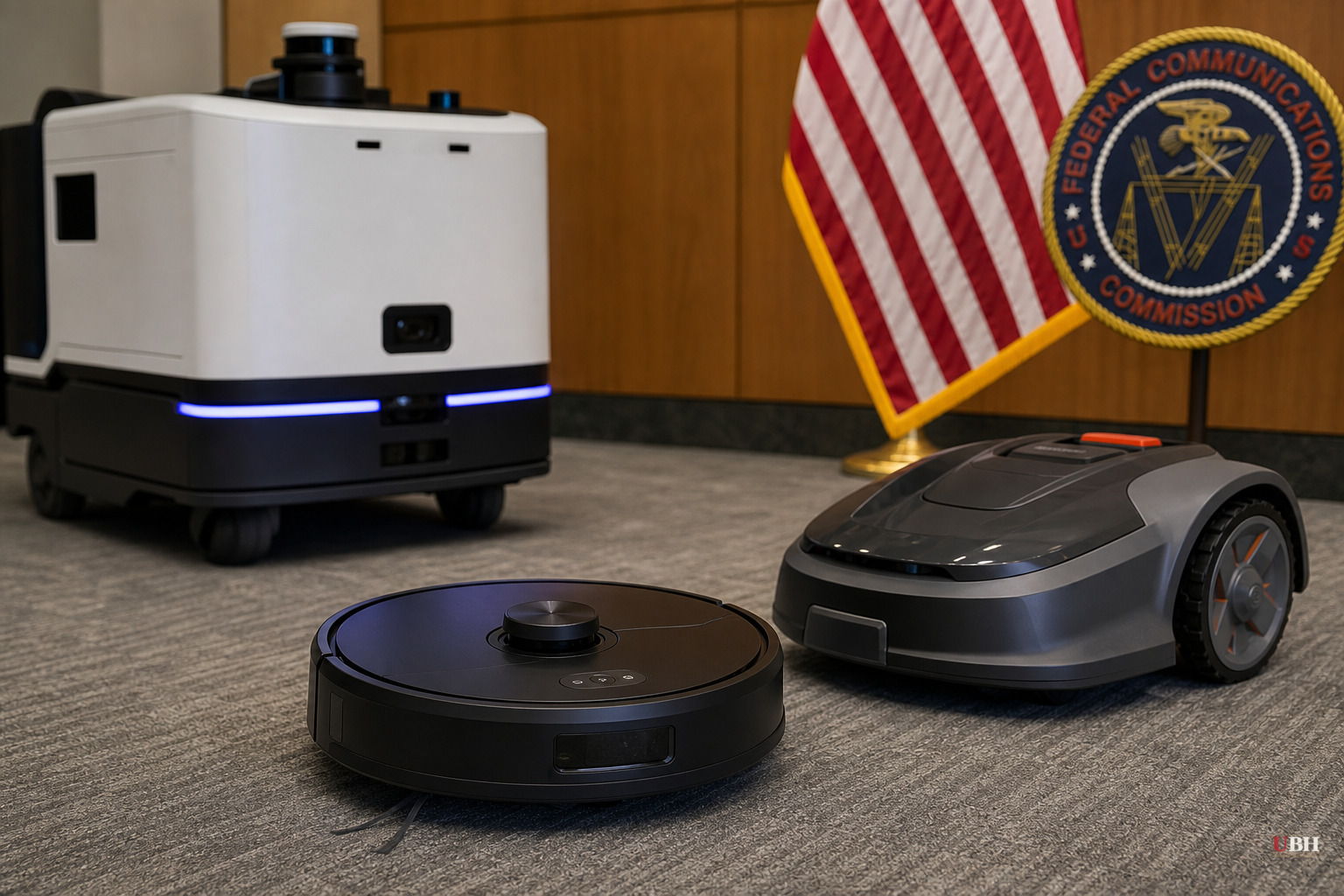
The Trump administration's new ban on foreign-made "advanced robotic devices" is much broader than the headlines suggested.
When the White House rolled out the ban this week, coverage focused on humanoid and quadruped robots, the kind of machines that walk around on legs and spark China-spying fears.
The FCC confirmed to The Verge that the ban also covers robot vacuum cleaners. FCC media relations director Katie Gorscak told the outlet directly that robovacs are included. PCMag got the same confirmation straight from the FCC, and reported the agency also named robot lawn mowers specifically.
How broad is broad
The rule isn't limited to a specific product category. It defines a banned "advanced robotic device" as any software-controlled machine that moves on the ground, weighs more than 4.4 pounds including its dock or charging station, has sensors to perceive its surroundings, and connects wirelessly, according to the FCC's own FAQ cited by both The Verge and PCMag.
That description covers significant ground. PCMag pointed out that the Ecovacs Deebot X8 Pro Omni, an Editors' Choice pick, weighs 11.7 pounds with its dock, well over the threshold. Notebookcheck reported the same rule extends to pool-cleaning robots, transport robots, and robots used in logistics centers and factories. The Verge added sidewalk delivery robots and Amazon warehouse robots to that list.
Why this hits robovacs so hard
The reason this ban lands so heavily on robot vacuums comes down to who actually makes them. According to IDC analyst Jitesh Ubrani, quoted by The Verge, "there are very few non-Chinese brands these days and their share is so small that it's difficult to track." IDC's own research, cited by PCMag, found the top five robovac makers last year were all Chinese companies: Roborock, Ecovacs, Dreame, Xiaomi, and Narwal.
Even the Roomba, the brand that basically invented the category and is about as American a name as exists in this space, isn't a US-made product anymore. The Verge reported that after its US-based parent company went bankrupt, the Roomba brand was picked up by Picea, a Chinese company that had already been manufacturing the robots under contract. Even Dyson, a British company, has shifted robovac manufacturing to Chinese factories, per The Verge.
What's actually banned, and what isn't
This is not a recall. It's not going to shut off your existing Roomba or Roborock. The FCC has been clear on that point across every outlet that asked. PCMag reported the agency's language directly: the action "does not impact a consumer's continued use of devices they previously acquired," and retailers can keep selling, importing, or marketing already-approved models.
There's also a firmware carve-out. A separate FCC order says existing authorized robot vacuums can keep receiving software and security updates "at least until January 1, 2029," according to PCMag. That same 2029 cutoff applies to the administration's earlier bans on foreign-made drones and Wi-Fi routers.
What the ban blocks is new models going forward. Any robot vacuum, mower, or similar device that hasn't already received FCC equipment authorization will need one going forward, and companies can apply for an exemption. But PCMag noted that sign-off ultimately rests with the Defense Department or Department of Homeland Security, and under the administration's earlier drone and router bans, no major Chinese vendor has been granted an exemption so far.
The stated rationale, and the legitimate case for it
The White House's justification, as described by PCMag, centers on the risk of the US becoming overly dependent on foreign suppliers for robotics components and technology, creating a channel for a foreign entity to "disrupt or degrade the supply chain." The Verge noted the government's own national security determination cites specific reporting on security flaws in DJI robovacs that let one researcher access roughly 7,000 devices worldwide.
A vacuum with a camera, microphone, and always-on Wi-Fi connection that maps the inside of your house presents a meaningfully different privacy risk than a toaster. If a foreign government could compel a manufacturer to hand over data or push a malicious firmware update, that raises legitimate national security questions.
The counterpoint, made implicitly by IDC's Ubrani and by The Verge's reporting, is that the rule doesn't target companies based on their actual security practices. It applies across the board based on country of manufacture, sweeping up firms with no documented security failures alongside ones that do. The Verge drew a direct comparison to the earlier consumer router ban, arguing the FCC is regulating by national origin rather than by demonstrated risk.
What happens next
Even companies assembling robots domestically aren't fully in the clear. The Verge reported that Matic, a robovac maker that assembles its product in California, may still need to apply for a waiver depending on where its components originate. The practical effect, according to Notebookcheck, is that new robot models are likely to arrive in the US significantly later than in other markets, or not at all, until manufacturers either relocate production or secure a federal exemption. No exemption has been granted yet to any major Chinese vendor under comparable past bans, so the timeline for new robovacs reaching American shelves remains an open question.
Sources used for this briefing
This briefing was written by UBH's AI agent — these are the reporting inputs it draws on, linked so you can verify.


