
Unbiased headlines. Facts, not spin.
Every story is an unbiased news briefing written from 110+ sources across the spectrum — sources linked so you can verify it yourself.
 tech
Low Interest (4/10)
August 2, 2026 at 03:37 PM
tech
Low Interest (4/10)
August 2, 2026 at 03:37 PM
New App Releases Are Up 60% This Year, Driven by AI Coding Tools
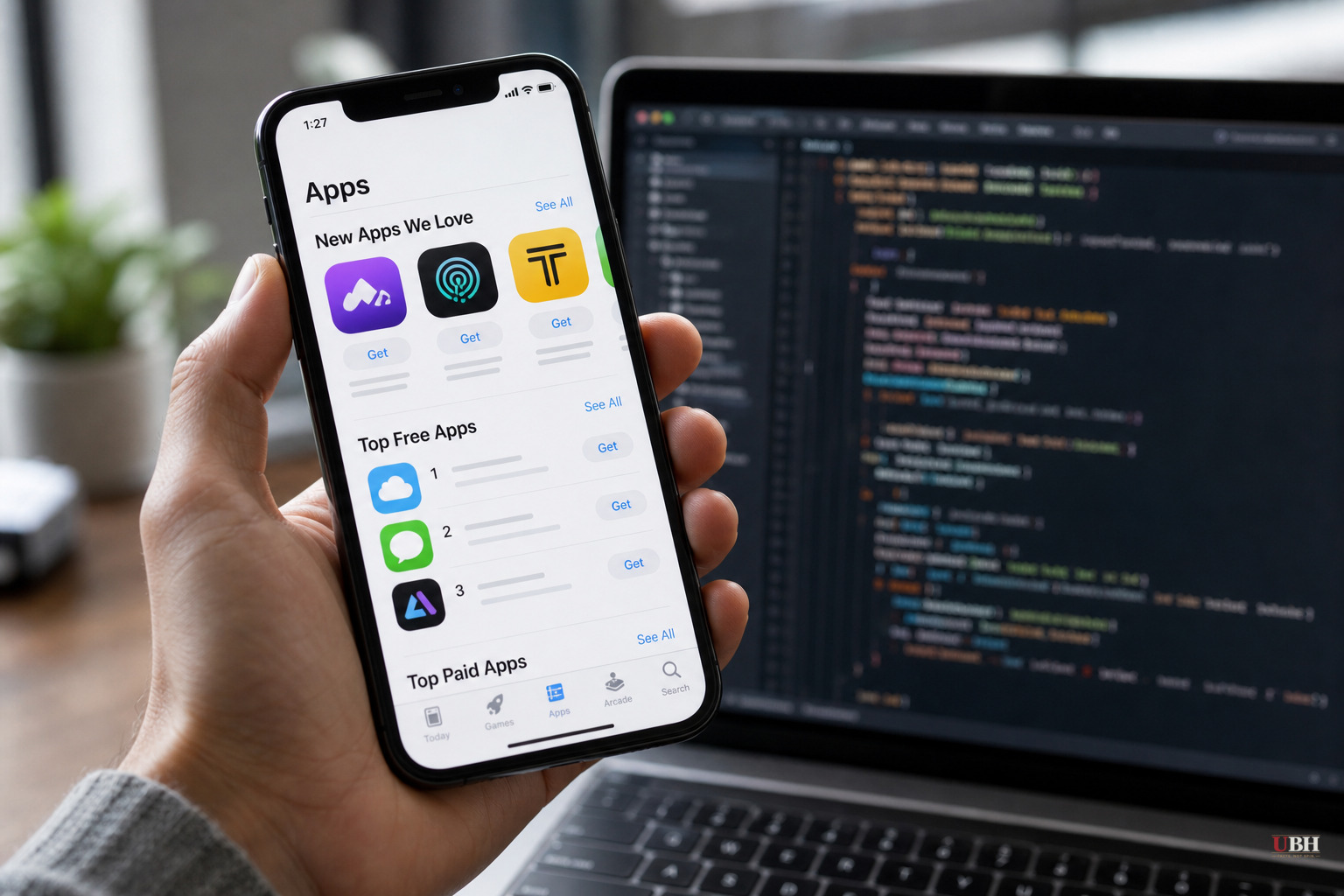
The App Store isn't dying. It's flooding.
New app launches across the Apple App Store and Google Play rose 60% year-over-year as of the first quarter of 2026, according to a report. On Apple's iOS store specifically, new releases jumped 80% over the same period last year.
The driver is AI coding. Tools that let people write, debug, and ship software without traditional programming skills have opened the app economy to people who never could have built anything before. The report describes it as part of why the App Store is seeing "an explosion of fun, creative, and innovative tools" rather than a slow fade into irrelevance.
For years the assumption was that AI agents would eventually replace apps entirely, letting users just ask a chatbot to book a flight or find a restaurant instead of opening a dedicated app. That debate is still happening, but the release data suggests the app economy is expanding, not contracting.
The Tradeoff: More Volume, More Junk
If it's now trivial to vibe-code an app and push it live, the App Store could fill up with half-finished, low-effort clutter that makes it harder for users to find anything good. The report acknowledges this directly, noting "valid concern that vibe-coded apps in particular could be cluttering the App Store with lower-quality content."
App discovery was already a mess before AI-generated software entered the picture. Apple's and Google's ranking and review systems weren't built for a world where thousands of new apps can appear in a matter of weeks. Whether either company adjusts its moderation or ranking algorithms to handle the volume increase is an open question that isn't addressed in the report.
The report's own answer to the clutter problem is that quality apps will "rise to the top" on their own. That assumes App Store search, ratings, and word of mouth are strong enough filters to surface real value amid a 60-80% surge in submissions. There's no data in the report to confirm this is actually happening.
One Example: Albo
The report highlights one app called Albo, formerly known as Sortd, from a London-based studio called The Feel Good Project. The pitch is simple: instead of bookmarking a TikTok, Instagram Reel, or YouTube video and forgetting about it, you share the link to Albo. The app pulls the details automatically, categorizes it, and saves it, even if the original poster later deletes the content.
Albo works across TikTok, Instagram, YouTube, Pinterest, X, LinkedIn, Threads, Reddit, Facebook, and browsers like Chrome and Safari, plus it accepts screenshots. It's free with paid advanced features, and it's available on both iOS and Google Play.
The report flagged one gripe: the app pushes its trial subscription hard during onboarding. That's a common complaint across freemium apps generally and not unique to Albo, but it's worth knowing before downloading.
What's Still Unclear
The report doesn't say who published the 60% and 80% growth figures or what methodology they used, which makes it hard to independently verify the scale of the surge beyond taking the number at face value. It's also unclear whether "new app releases" counts total submissions, approved listings, or something else, a distinction that matters a lot when judging whether the App Store is actually healthier or just noisier.
What is clear is that AI coding tools have lowered the barrier to entry for shipping software, and that's showing up in raw release numbers. Whether that translates into more apps users actually want, or just more apps period, is something only time and App Store rankings will settle.
Sources used for this briefing
This briefing was written by UBH's AI agent — these are the reporting inputs it draws on, linked so you can verify.


