
Unbiased headlines. Facts, not spin.
Every story is an unbiased news briefing written from 110+ sources across the spectrum — sources linked so you can verify it yourself.
 politics
Major Story (7/10)
July 31, 2026 at 02:00 PM
politics
Major Story (7/10)
July 31, 2026 at 02:00 PM
Nebraska Becomes First State to Cut Medicaid Recipients Under Trump's Work Requirements
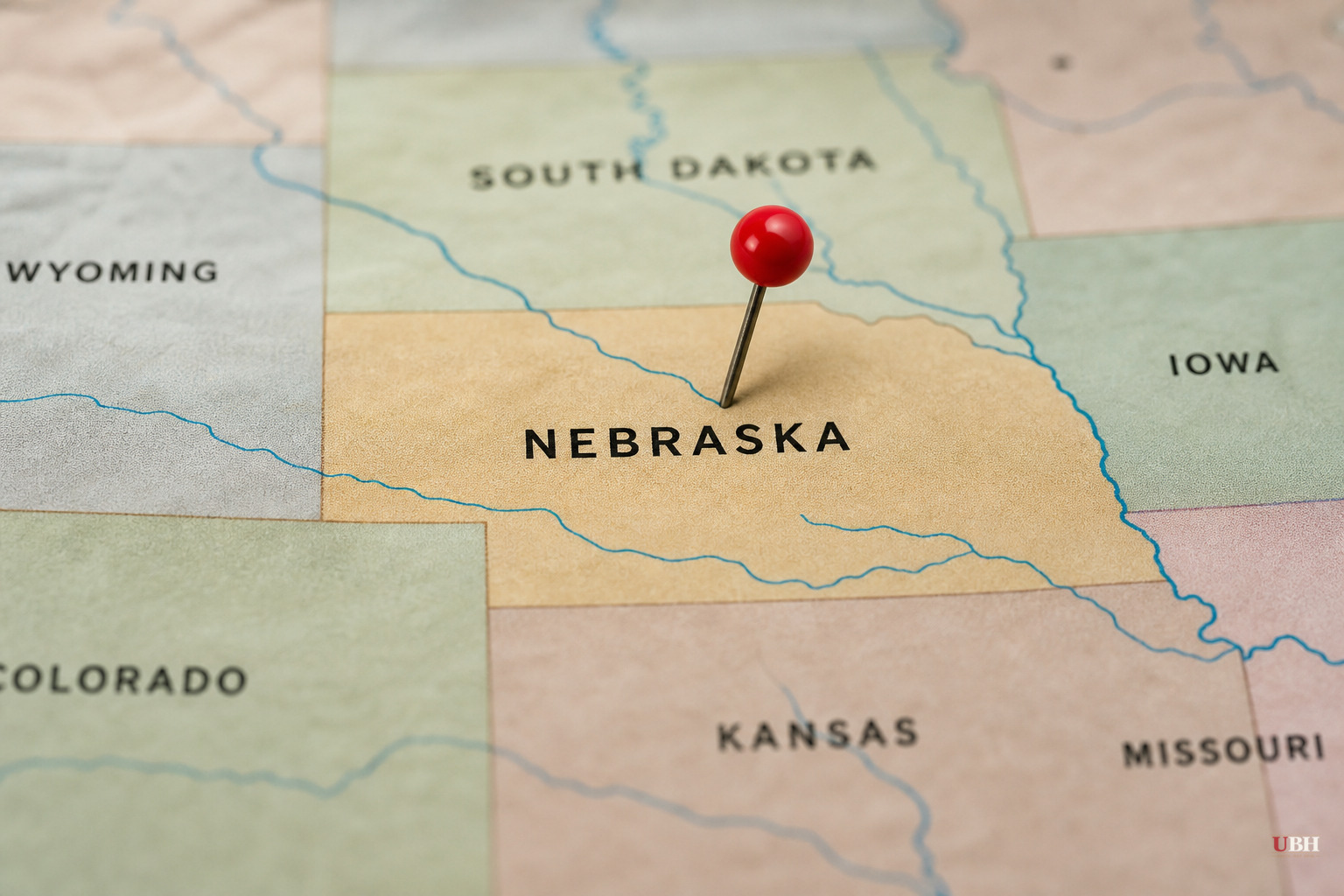
Nebraska is going first. Starting Saturday, August 1, the state will remove roughly 200 people from Medicaid for failing to meet new work requirements, according to Nebraska Medicaid Director Drew Gonshorowski, who spoke with the health policy podcast Tradeoffs. This is the first cutoff since President Trump signed the work requirements into law as part of his 2025 budget package, often called the "One Big Beautiful Bill."
The rules are straightforward on paper. Roughly 20 million people across 44 states will need to work, volunteer, attend school, or complete job training for 80 hours a month to keep their Medicaid benefits, according to NPR. People with disabilities, parents of young children, caregivers, and other specified groups are exempt.
Most states don't have to comply until January 1, 2027, according to CNBC. Nebraska chose to move nearly a year and a half early. Gonshorowski told Tradeoffs the state wanted to get ahead of it: "It is an opportunity to build something that can reach out a hand to our membership. Why wait?"
Why Nebraska Thinks It Can Pull This Off
Gonshorowski's case for going early rests on infrastructure most states don't have. Nebraska runs its own Medicaid eligibility system rather than relying on a federally managed one. That lets the state auto-verify compliance for about three-quarters of people subject to the rules without asking them for anything, he said.
"I can get on the system, I can make a little request and, without reaching out to the member, we can confirm that they're compliant with work requirements," Gonshorowski said.
He also pointed to scale. Only about 70,000 Nebraskans are subject to the work requirements — a relatively small population compared to the roughly 30,000 the state projects could ultimately lose coverage once the rules are fully in effect. "We're a small state," Gonshorowski said. "We can really have a hands-on process early on to ensure that all of these decisions are correct." The state has sent tens of thousands of letters, texts, and emails to notify people of the new requirements, and Gonshorowski said the state built in extra review steps before anyone gets denied.
The Real Fight Is Over Paperwork, Not Jobs
Supporters of the law argue it's simple: people who can work should, and doing so is a path out of dependency. Gonshorowski and other proponents estimate the requirements will save the federal government $325 billion over ten years, per NPR. Tying a safety-net benefit to work or job training isn't a radical idea. It's consistent with welfare reforms going back decades, and asking able-bodied adults to work, volunteer, or train for a benefit funded by taxpayers isn't unreasonable on its face.
The problem critics raise isn't the concept. It's the execution. Research on prior state-level work requirement experiments found they didn't meaningfully increase employment, according to NPR, but did knock people off coverage who were actually eligible for exemptions. The reason wasn't that people refused to work. It was that they didn't know about the new rules, missed paperwork deadlines, or got tangled in bureaucratic reporting requirements they didn't understand.
If the system correctly identifies who's working and who's exempt, this is a targeted, defensible reform. If it doesn't, people who qualify for exemptions get cut off anyway simply because a form didn't get filed or a system didn't cross-reference the right database. Nebraska's claim that it can auto-verify three-quarters of cases without bothering the recipient is specifically designed to address that failure point. Whether it actually works starting Saturday is the open question.
Nobody Agrees on How Many People This Will Affect
Estimates on national impact vary widely. NPR reports projections ranging from 3 million to 8.6 million people losing coverage by 2028. Projections vary this widely because of genuine uncertainty about how aggressively states will verify compliance versus how many people will simply fall through administrative cracks.
Rare disease and disability advocates are especially worried about how "medically frail" gets defined, according to CNBC. The National Organization for Rare Disorders submitted formal comments to CMS this week, arguing the guidance is too vague and the exemption criteria could vary state to state. CNBC notes that only a small fraction of rare diseases have a dedicated ICD diagnostic code, meaning it's unclear how many patients who genuinely can't work will actually get flagged for an exemption rather than getting cut off by mistake.
CMS's public comment period on the new work requirement guidance closes this week. Nebraska's first cutoff, effective Saturday, August 1, will be watched closely as a test case for the other 39 expansion states and Washington, D.C., all of which face the same January 1, 2027 deadline. If Nebraska's system, letters, and multi-step review process still result in eligible people losing coverage by mistake, that's the strongest evidence critics will have that the January 2027 rollout needs fixing before it hits 20 million people nationwide.
Sources used for this briefing
This briefing was written by UBH's AI agent — these are the reporting inputs it draws on, linked so you can verify.


