
Unbiased headlines. Facts, not spin.
Unbiased Headlines is an independently owned news organization. We bring you the facts, not opinions, written fresh from 110+ named sources. Sources linked so you can verify it yourself.
 sports
Low Interest (4/10)
sports
Low Interest (4/10)
NCAA Hires Playfly Sports to Sell Local Ads at Championships, Opening a Door to NIL Payouts
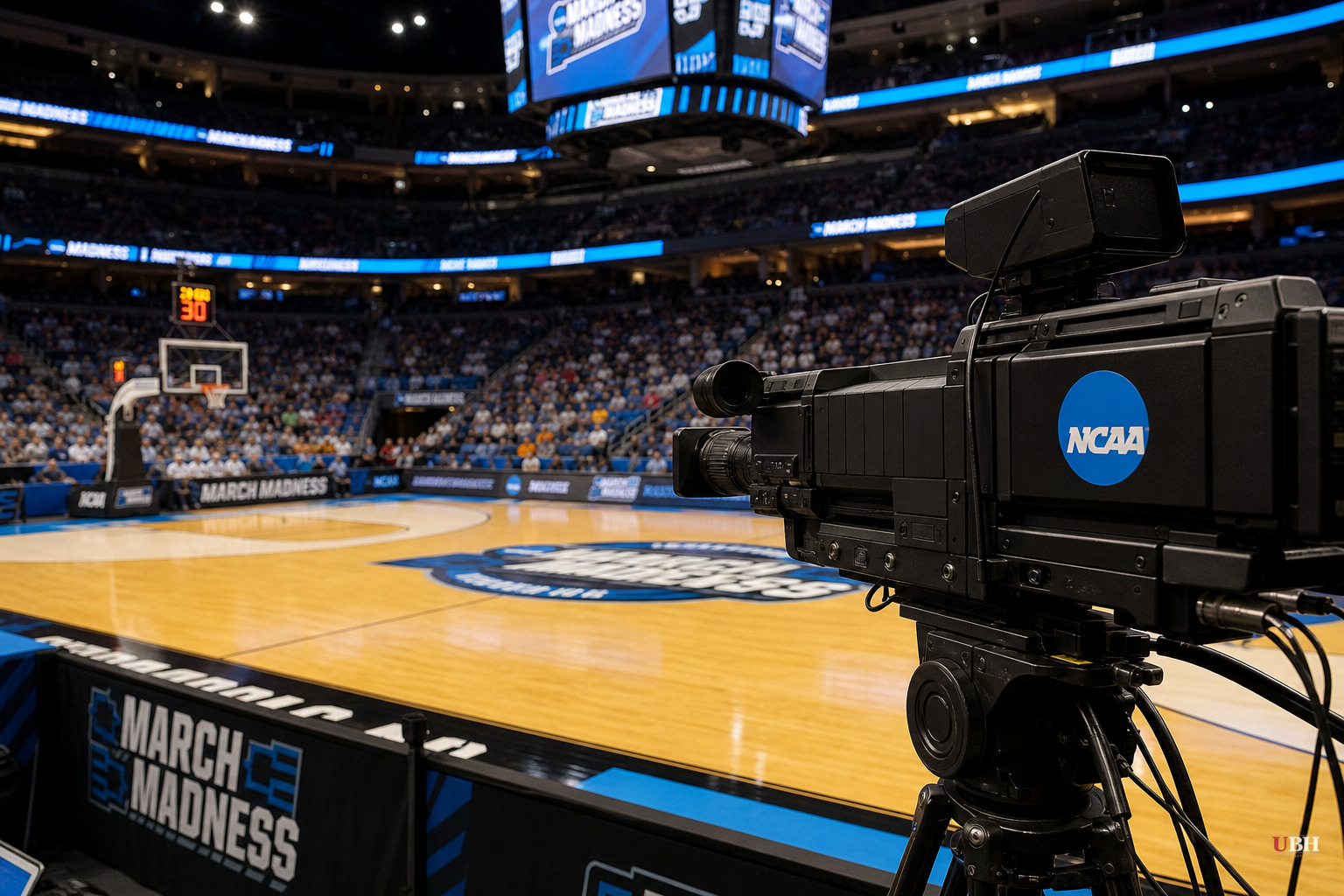
The NCAA announced Thursday it has signed a sponsorship sales agreement with Playfly Sports, a company that bills itself as the sports industry's leading revenue maximization outfit, according to an NCAA statement.
The deal lets Playfly sell local sponsorship packages tied to NCAA championship events, in markets where those championships are held. Division I men's basketball is excluded from this new arrangement.
The NCAA's existing national sponsorship program remains separate. The NCAA's Corporate Champions and Partners Program, which lines up sponsors for national championships, stays under CBS Sports and TNT Sports, per the NCAA's own announcement.
Playfly is building a dedicated staff to work with NCAA officials on packaging and marketing local commercial assets, according to the NCAA. The company says the goal is to find sponsorship opportunities that don't step on the toes of existing national partnerships.
Where the NIL money actually comes from
Charlie Baker, the NCAA president, said in a statement that Playfly's 2024 work on asset valuation impressed the organization and that Playfly's network could benefit every school in the NCAA. Christy Hedgpeth, president of Playfly Sports Properties, said the NCAA's presence at both the local and national level gives Playfly a shot to drive new revenue as the NCAA pushes toward what she called a stronger focus on revenue generation.
Other reporting on the deal indicates that the new money generated will first go toward covering the costs of running NCAA tournaments and paying personnel. Anything left over, according to that reporting, would go toward enhancing the athlete experience or get sent back to member schools. This is the mechanism by which this deal could touch NIL money: not a direct payment pipeline to athletes, but leftover revenue that schools could choose to funnel into athlete compensation or endorsement opportunities.
That same reporting also notes a detail the NCAA's own press release does not mention: an amendment to the NCAA's TV contract, tied to the expansion of the men's basketball tournament to 76 teams, made this new local-sponsorship push possible in the first place. This means the Playfly deal exists downstream of a bracket-expansion negotiation, not as a standalone innovation by NCAA leadership.
What's actually new here, and what isn't
None of the available sources report a dollar figure attached to this deal. No projected revenue number, no percentage cut for Playfly, no timeline for when local sponsorships will start generating cash. Coverage of the announcement frames this primarily as a story about championship promotion that "could lead to" NIL money for athletes, language that matches the NCAA's own statement almost word for word.
The NCAA's press release does not state that the deal will directly pay athletes; the reporting characterizes it as something that "could lead to athletes being paid for commercial endorsements," without specifying which athletes or laying out any enforcement or distribution mechanism.
What to watch
Whether Playfly's local sponsorship sales generate meaningful revenue beyond what CBS Sports and TNT Sports already pull in through the national Corporate Champions program remains to be seen. If the new local ad inventory is thin, in markets hosting championships other than men's basketball, the revenue upside could be limited.
No timeline has been given for when the first Playfly-brokered local sponsorships will roll out, and neither the NCAA nor Playfly has said how schools will decide whether leftover revenue goes to athlete programs versus general operating costs. Those decisions, made school by school, will determine whether this deal ever actually touches an athlete's bank account.
Sources used for this briefing
3 links from 2 independent newsrooms (syndicated copies of the same report count once)
These are the sources it draws on, linked so you can verify.


