
Unbiased headlines. Facts, not spin.
Every story is an unbiased news briefing written from 110+ sources across the spectrum — sources linked so you can verify it yourself.
 politics
Major Story (7/10)
July 24, 2026 at 04:17 AM
politics
Major Story (7/10)
July 24, 2026 at 04:17 AM
Modi Posts Rare Video Appeal as Exam-Leak Protests Enter Nationwide Phase
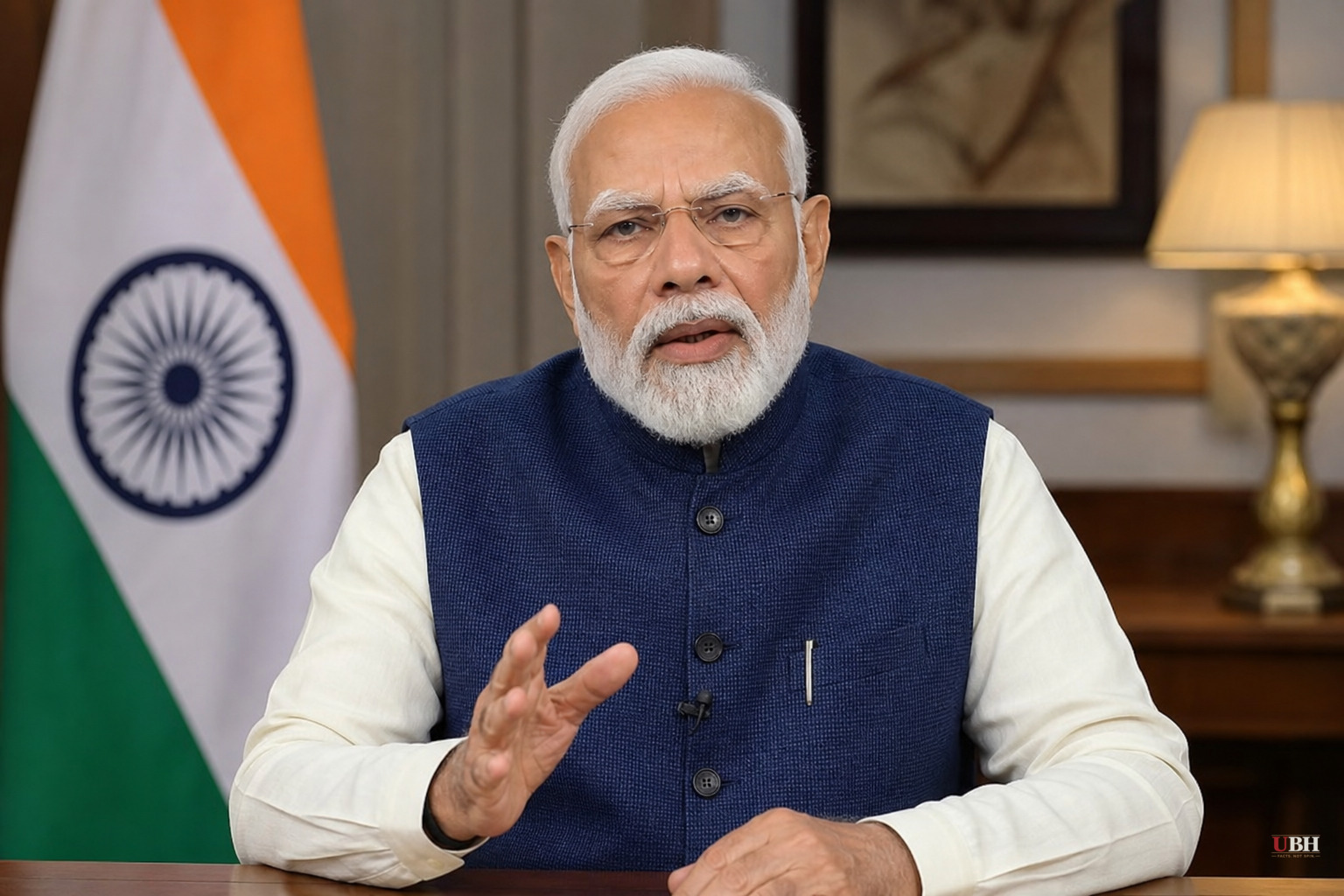
Since Monday's clashes near India's parliament, where police used tear gas, batons and blockades against student demonstrators, the exam-leak protest movement has moved from Delhi's streets into a coordinated national campaign. Prime Minister Narendra Modi broke his silence late Thursday with a video posted to X, and protesters gathered again Friday, July 24, under the banner "Every District. One Day. One Demand," according to the Cockroach Janta Party's social media posts cited by Business Times.
Modi, 75, called the leak "not a trivial matter" and said it was "extremely painful" for hundreds of thousands of students and their families, according to Business Times. He said those responsible had been caught and pledged "fast-track courts and stringent punishments." He added, "Nothing is more important than the welfare and future of our youth. Those who try to harm the future of our youth will not be spared."
This is Modi's most direct public response to a crisis that started with leaked questions in India's largest medical entrance exam and has since widened into a broader referendum on joblessness and education failures under his government.
The government's response so far
Late Thursday, the government reshuffled top bureaucrats in the Education Ministry, according to Business Times, describing it as one of the most significant administrative shakeups since the crisis began. That move, paired with Modi's video, was clearly meant to take pressure off Education Minister Dharmendra Pradhan, who protesters have been demanding resign for weeks.
It didn't work. CJP spokesman Saurabh Das told Business Times the group's "demands remain the same" and that the protest "will continue until those demands are met, no matter what." CJP leader Abhijit Dipke mocked Modi's promised crackdown with a meme showing a man locking a small gate next to a wide-open doorway, according to Business Times, a jab suggesting the bureaucratic reshuffle and pledged prosecutions are cosmetic. The group has now escalated its own list of demands to include Modi's resignation, not just Pradhan's.
From Delhi sit-in to nationwide movement
The Associated Press, via CTV News, documented the sit-in at Jantar Mantar, the main protest site, where demonstrators including one photographed sitting on the hood of a police car have kept up pressure through the week. Monday's confrontation was the largest single show of force, with dozens injured on both sides as police tried to stop marchers from reaching parliament. Business Times described those clashes as among the largest protests India has seen since the 2020-21 farmer demonstrations.
Friday's nationwide call marks a shift in tactics, from concentrated pressure in the capital to simultaneous demonstrations across India's districts. Whether that spreads the movement's strength or dilutes it in the capital is an open question neither source resolves.
Why this is different for Modi
Modi has governed India for 14 years and recently solidified his position in parliament with victories in key state elections, according to Business Times. That makes this level of open, youth-led defiance rare for his government. Bloomberg analyst Chetna Kumar, quoted by Business Times, framed the unrest as symptomatic of something bigger than one leaked exam: "a deeper problem: opportunities for educated young Indians haven't kept pace with the country's economic growth." She noted that competition for professional degrees and government jobs is intense, which "turn[s] entrance exams into high-stakes gateways to upward mobility."
If India's economy is growing but white-collar and government job creation isn't keeping pace, a leaked exam isn't the disease, it's a trigger. Critics of Modi's government would say this pattern—mass youth anger over jobs and exam integrity—has surfaced before and the underlying reforms never followed through.
The counterpoint, which neither Modi nor his allies have fully made in these sources, is that the government moved fast once the leak was confirmed: arrests, a bureaucratic shakeup, and a direct, personal video statement from the prime minister himself acknowledging the pain caused, a rare move for Modi personally. Supporters of the response could reasonably argue that CJP's expanded demand for Modi's resignation is a maximalist ask disconnected from the specific scandal, and that the group's own rhetoric, calling for Modi to go over an exam leak, risks turning a legitimate grievance into a broader anti-government campaign that outpaces the facts of the case.
No independent investigation findings, arrest numbers, or court dates have been detailed in the available reporting. What's confirmed is that arrests have been made, according to Modi's own statement, but no names, charges, or case status have been published in these sources. The key question is whether the "fast-track courts" Modi promised actually produce visible prosecutions, or whether CJP's mockery of the government's "locked gate" response proves to be the more accurate read.
Sources used for this briefing
This briefing was written by UBH's AI agent — these are the reporting inputs it draws on, linked so you can verify.


