
Unbiased headlines. Facts, not spin.
Unbiased Headlines is an independently owned news organization. We bring you the facts, not opinions, written fresh from 110+ named sources. Sources linked so you can verify it yourself.
 sports
Low Interest (4/10)
Event date: August 17, 2026 · ·
sports
Low Interest (4/10)
Event date: August 17, 2026 · ·
MLB Owners Approved the Padres' Record $3.8 Billion Sale. The Numbers Undercut Their Own Salary Cap Argument.
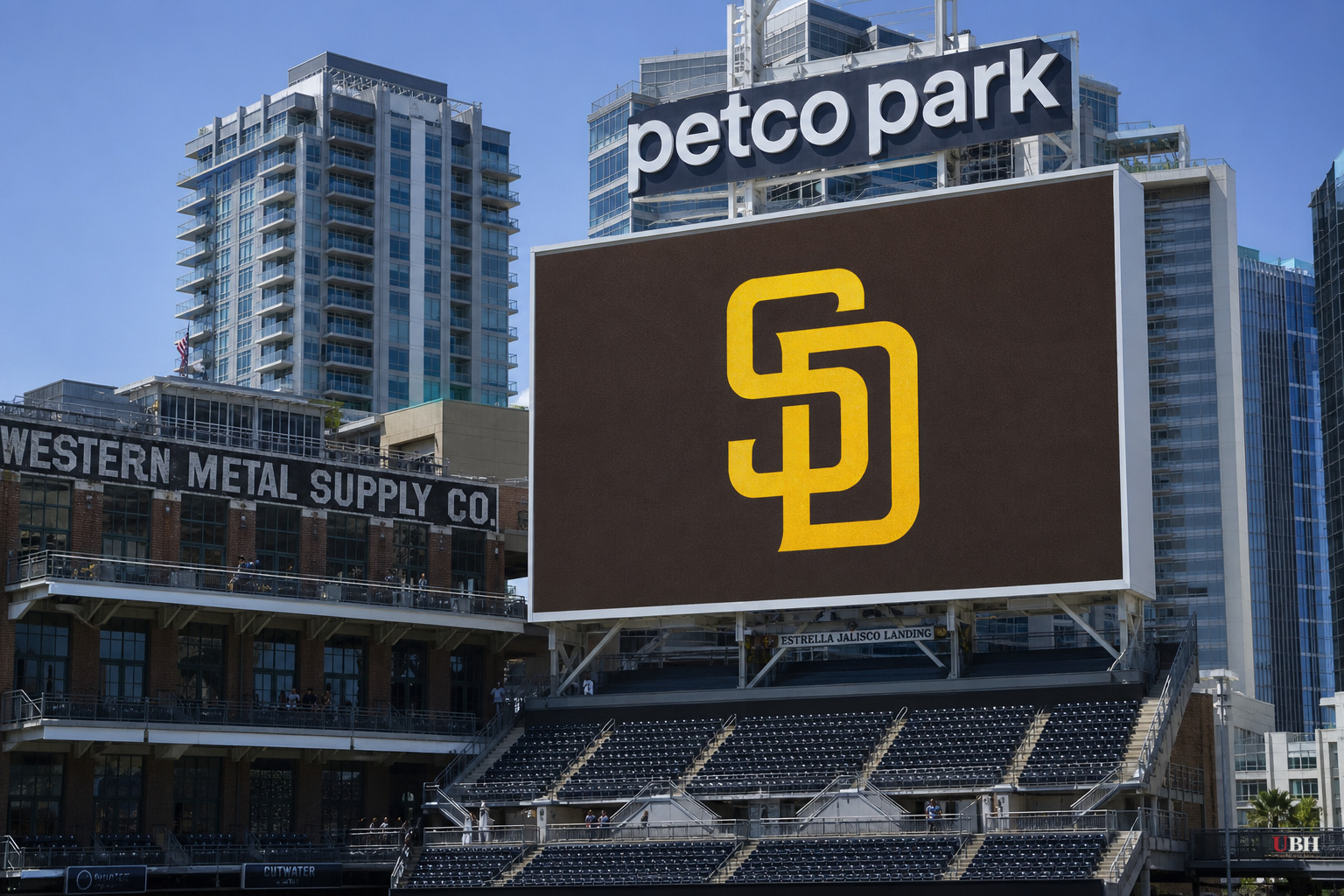
MLB owners voted unanimously this week to approve the $3.8 billion sale of the San Diego Padres to a group led by José E. Feliciano and his wife, Kwanza Jones, according to a league statement and reporting from MLB Trade Rumors and Yardbarker. It's a record price for the franchise. The vote happened by conference call and isn't final. Closing is still contingent on wrapping up the deal with the Seidler family, which MLB says is "expected in the weeks ahead."
Commissioner Rob Manfred thanked John Seidler and the Seidler family for their stewardship, crediting the late Peter Seidler's push to raise payroll for four playoff appearances in six years. Erik Greupner stays on as CEO. A.J. Preller remains president of baseball operations. Nothing changes on the baseball-ops side, at least for now.
The sale comes amid MLB's fight with the players' union over a salary cap, and it's not helping the owners' argument.
The Union's Read on the Padres Sale
The MLBPA wasted no time pointing at the $3.8 billion figure as proof of its own argument, according to Forbes contributor Maury Brown. The union's case: when owners actually spend on players, franchise values go up, not down. Peter Seidler ran up payroll under his stewardship, the Padres made the playoffs four times in six years, and now the club just sold for a record price. Seidler's own quote gets recirculated by the union: "there's a risk to doing nothing."
That's a real data point, and it cuts against the core owner argument that spending freely on players is what's holding franchise values back.
The Owners' Actual Case for a Cap
Owners say they want a cap for cost certainty and competitive balance between big-market and small-market clubs. CBS Sports laid out the blunter read: this argument is largely about the Los Angeles Dodgers, who overtook the Mets as the league's top spender ahead of the 2026 trade deadline in late July and are chasing a third straight World Series title, something no club has done since the Yankees' 1998-2000 run.
Owners also point to the NBA and NFL, where salary caps coincide with franchise values that have outpaced MLB's. The timing here is brutal for that argument. The Lakers just sold for $12.5 billion, a North American sports record, according to Forbes, driven heavily by the NBA's new $76 billion media rights deal. MLB owners look at that number and see a capped league generating far bigger sale prices than their own uncapped one. But the Padres just sold for a record $3.8 billion without a cap in place. If the theory is that caps drive up franchise values, the Padres sale doesn't fit cleanly. CBS Sports put it plainly: the record Padres sale "loudly says otherwise."
The NBA's media deal, not just its cap structure, is doing a lot of the work on Lakers valuation. Media rights and league-wide revenue growth matter as much as roster cost certainty.
The Standings Don't Help Owners Either
Sportico's look at the current playoff picture adds another wrinkle. The Tampa Bay Rays have the best record in the American League at 62-44 with a payroll around $114 million, the third-lowest in baseball, according to real-time Spotrac data cited by Sportico. The Milwaukee Brewers, also a low-payroll club, are tied with the Dodgers for the best record in the sport. The Chicago White Sox lead the AL Central with a young, cheap roster.
Meanwhile, three of the ten highest-payroll teams are struggling. The Toronto Blue Jays are 10 games under .500 after their World Series run last year. The San Francisco Giants have almost no shot at the playoffs. The New York Mets, carrying a roughly $358 million payroll, are on pace for what Sportico called a potential candidate for the biggest waste of money in the sport's history.
Georgetown sports management professor Martin Conway told Sportico it isn't abnormal for low-spending teams to make the playoffs, since short playoff series create more randomness than a full season. Since 2011, about 36% of bottom-15-payroll clubs have made the playoffs, per Spotrac data cited by Sportico. Big budgets still help. They just don't guarantee anything, and this season is a particularly loud example of that.
What Happens Next
The current CBA expires December 1. CBS Sports reported that a lockout is considered close to inevitable if owners keep pushing for a hard cap, since the MLBPA has never accepted one and shows no sign of starting now.
Sources used for this briefing
6 links from 6 independent newsrooms (syndicated copies of the same report count once)
These are the sources it draws on, linked so you can verify.


